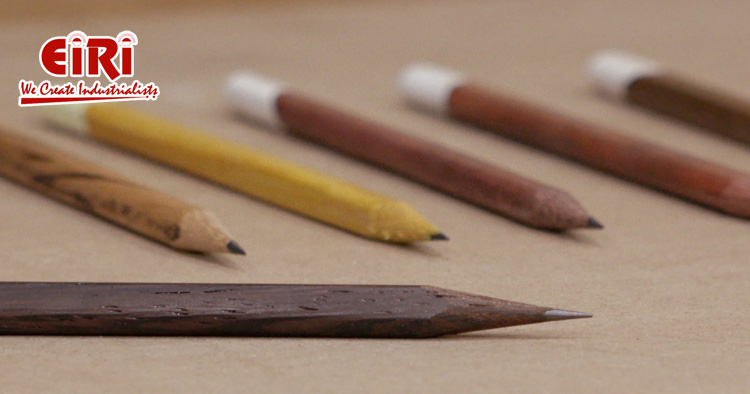
Pencil lead, derived from the Greek term 'graphein' meaning "to write," is primarily composed of carbon in the form of graphite. Through a meticulous process, natural graphite is ground into a powder, mixed with clay, and molded into a paste for pencil production. This graphite paste is then extruded into thin rods, baked, and encased in cedarwood shafts infused with wax for smooth writing. Pencils are available in classic wooden shafts or graphite sticks, providing versatility in writing, drawing, and sketching applications.
The pencils market, valued at USD 13.91 billion in 2023, is on a trajectory towards reaching USD 22.99 billion by 2030, with a notable CAGR of 7.7% during the forecast period of 2024-2030.
The global demand for pencils reflects the enduring significance of education, with increasing literacy rates worldwide. According to UNESCO, millions of students completed their education in 2018, highlighting the value placed on learning. This demand for educational tools, including pencils, continues to grow, prompting manufacturers to invest in research and development to enhance product functionality and user experience. Unlike many stationery items made of non-biodegradable plastic, pencils offer an environmentally friendly alternative, being crafted from wood, a fully biodegradable material.
Wooden pencils, despite the advent of digital technology, continue to hold a significant place in our daily lives. From classrooms to offices, artists' studios to homes, the humble wooden pencil remains an indispensable tool for writing, drawing, and sketching. Behind every wooden pencil lies a fascinating manufacturing process that combines precision engineering with age-old craftsmanship. In this comprehensive guide, we delve into the intricate world of wooden pencil manufacturing, exploring the process from raw materials to finished product, business opportunities, market trends, and more.
However, the pencil market faced disruptions due to the COVID-19 pandemic, impacting the supply chain and causing short-term slowdowns in market growth. Despite these challenges, the enduring demand for pencils remains strong, driven by their essential role in education, art, and everyday writing tasks. As manufacturers navigate through these challenges, continued innovation and sustainability efforts will be key to meeting the evolving needs of consumers while minimizing environmental impact.
Pencil Market Trend
Pencils are experiencing a transformative phase, shaped by evolving consumer preferences and industry dynamics. The global shift towards environmental responsibility is driving the adoption of sustainable materials and eco-friendly production methods in the pencil market. Simultaneously, advancements in technology and pencil design are reshaping this traditional writing tool, creating a more contemporary landscape.
Diversification Beyond Education: Expanding Horizons
While education remains a significant driver, pencils are diversifying their applications. Artists are rediscovering the expressive potential of premium drawing pencils and specialized sets, while eco-conscious consumers are opting for sustainable options like recycled paper pencils. Even in the corporate sphere, personalized wooden pencils are gaining popularity for branding purposes. This expansion into new markets is opening up fresh revenue streams for pencil manufacturers.
Innovation at the Core: Beyond Traditional Materials
The traditional yellow pencil is evolving with innovative lead formulations, including waterproof, erasable, light-resistant, and metallic options. Mechanical pencils are undergoing transformations with ergonomic designs and smart features. Sustainable alternatives like bamboo casings and non-toxic glues are also gaining traction, appealing to environmentally conscious consumers seeking eco-friendly options.
The Convergence of Digital and Physical Realms
Contrary to the digital trend, pencils are finding a harmonious blend with technology. Apps such as Procreate and Notability seamlessly translate pencil strokes into digital art, offering editing and sharing capabilities. This integration caters to a new generation of artists and creatives who value the tactile experience of pencils alongside the versatility of digital tools, bridging the gap between traditional and digital mediums.
The Manufacturing Process:
- Raw Materials: The journey of a wooden pencil begins with carefully selected raw materials. High-quality cedar wood is the preferred choice due to its smooth texture, durability, and ease of sharpening. Graphite, the core component of the pencil, is sourced in various grades to cater to different writing and drawing needs. Other materials include clay, wax, and additives for the pencil's core composition.
- Wood Preparation: The selected cedar wood undergoes a series of processes to prepare it for pencil production. It is cut into precise lengths, kiln-dried to remove moisture, and sorted based on quality and size. The wood is then shaped into pencil slats using precision machinery, ensuring uniformity and consistency.
- Core Formation: Graphite, clay, and wax are blended in precise proportions to create the pencil's core. This mixture is extruded into thin rods, which are cut to length and inspected for quality. The graphite cores are then inserted into the wooden slats, forming the basic structure of the pencil.
- Encasing and Bonding: The pencil slats with inserted cores are bonded together using adhesive, forming a sandwich-like structure. This assembly is then encased in a thin layer of wood veneer, known as the pencil's casing. The casing provides protection to the core and gives the pencil its iconic hexagonal shape.
- Finishing Touches: The assembled pencils undergo a series of finishing touches to enhance their appearance and performance. They are sanded to smooth out any imperfections, painted or lacquered for color and branding, and stamped with relevant information such as the brand name, grade, and origin.
- Quality Control: Throughout the manufacturing process, rigorous quality control measures are implemented to ensure that every pencil meets the highest standards of quality and performance. Inspections are carried out at various stages to detect and rectify any defects or deviations from specifications.
Pencil Market Growth Drivers
The pencils market, valued at USD 13.91 billion in 2023, is on a trajectory towards reaching USD 22.99 billion by 2030, with a notable CAGR of 7.7% during the forecast period of 2024-2030. This dynamic sector within the stationery industry encompasses the entire spectrum of pencil production, distribution, and consumption. Typically consisting of a slender graphite core encased in a protective outer shell, pencils have remained indispensable tools in education, art, and everyday writing for centuries due to their versatility, affordability, and ease of use.
Key stakeholders in the pencils market, including manufacturers, distributors, and retailers, play pivotal roles in the design, production, and marketing of various pencil types. From traditional wooden pencils to mechanical variants, the market offers a diverse array of options tailored to meet distinct consumer preferences and requirements. Moreover, pencils with specialized features such as colored leads, erasers, and ergonomic designs cater to specific user demographics, further enriching the market landscape.
Several factors shape the pencils market, including technological advancements, environmental considerations, and evolving consumer tastes. As sustainability gains prominence, manufacturers are increasingly exploring eco-friendly materials and production techniques in line with global environmental conservation efforts. Concurrently, innovations in pencil design and functionality, such as ergonomic grips and advanced lead compositions, contribute to the market's competitiveness and appeal.
The global wooden pencil market is witnessing steady growth, driven by factors such as the resurgence of traditional craftsmanship, growing demand for stationery products, and increasing awareness of the environmental impact of disposable plastic products.
Key market trends include:
- Artisanal and Handcrafted Pencils: Consumers are showing a renewed interest in artisanal and handcrafted products, appreciating the craftsmanship and attention to detail that goes into each pencil. Artisanal pencil manufacturers are capitalizing on this trend by offering unique and customizable products.
- Premiumization and Branding: Premium and luxury pencil brands are gaining traction among discerning consumers who value quality, aesthetics, and brand prestige. These brands focus on premium materials, innovative designs, and storytelling to differentiate themselves in the market.
- Innovation and Technology: Advancements in manufacturing technology, automation, and materials science are driving innovation in the wooden pencil industry. From ergonomic designs to breakthroughs in lead formulations, manufacturers are continuously innovating to meet the evolving needs of consumers.
- Sustainability and Circular Economy: Environmental sustainability is becoming a key focus area for wooden pencil manufacturers, with an emphasis on sourcing sustainable raw materials, reducing waste, and adopting eco-friendly manufacturing processes. Consumers are increasingly gravitating towards eco-friendly products, creating opportunities for sustainable pencil brands.
The market's growth is further propelled by rising demand in educational institutions and art-related industries, driven by factors such as increased disposable income and heightened interest in creative pursuits among consumers. Additionally, the proliferation of smartphones and tablets has spurred demand for complementary tools like watercolor and colored pencils, amplifying their utility and market presence. With a myriad of applications ranging from technical drawing in businesses to artistic endeavors in schools, the pencils market continues to expand, driven by innovation, diversification, and evolving consumer needs.
Business Opportunities in Pencil Manufacturing
- Product Diversification: Beyond traditional graphite pencils, there is a growing demand for specialized pencils catering to specific needs. Colored pencils, mechanical pencils, and eco-friendly pencils made from recycled materials are gaining popularity among consumers.
- Customization and Personalization: Offering customization options such as personalized engraving, custom colors, and branding opportunities can attract niche markets such as corporate gifting, promotional merchandise, and artist supplies.
- E-commerce and Digital Marketing: With the rise of e-commerce platforms and digital marketing channels, reaching a global audience has never been easier. Establishing an online presence through websites, social media, and online marketplaces can significantly expand the reach of a wooden pencil manufacturing business.
- Sustainability and Eco-Friendliness: Embracing sustainable practices such as using certified sustainable wood, water-based coatings, and eco-friendly packaging can appeal to environmentally conscious consumers and open up opportunities in the green market segment.
The wooden pencil manufacturing business offers a unique blend of tradition, craftsmanship, and innovation. From the meticulous selection of raw materials to the intricate manufacturing process, every aspect of pencil production requires precision and attention to detail. With the right combination of quality, creativity, and sustainability, wooden pencil manufacturers can carve out a niche in the ever-evolving stationery market and leave a lasting impression on consumers worldwide.