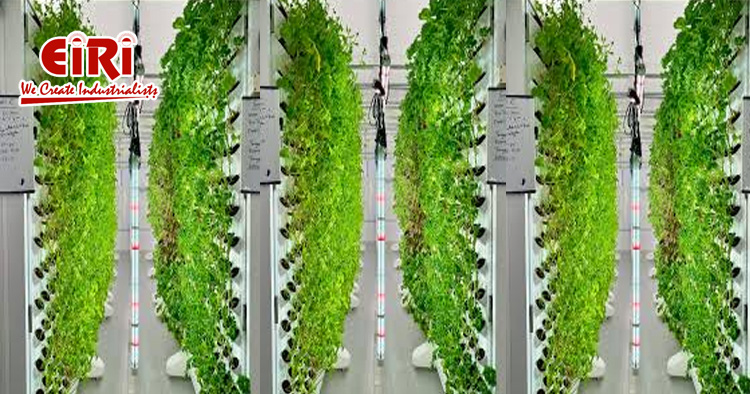
Vertical farming is an innovative solution to modern agricultural challenges, allowing for high-yield food production in limited spaces. This method relies on controlled environments where crops are grown in stacked layers, often within urban settings or enclosed structures. Unlike traditional farming, vertical farming reduces water consumption, eliminates the need for pesticides, and allows for year-round production.
The success of vertical farming depends on specialized equipment such as hydroponic systems, grow lights, climate control systems, and automation tools. As urbanization and climate change continue to affect global food security, the demand for efficient and sustainable farming equipment is rising. This presents a significant business opportunity for entrepreneurs looking to establish a manufacturing unit dedicated to vertical farming equipment.
Market Demand and Business Potential
The global vertical farming market is expanding rapidly, driven by increasing food demand, limited availability of arable land, and technological advancements in agriculture. Countries worldwide are investing in urban agriculture to enhance food security and reduce dependence on imports. As vertical farms become more common, the need for high-quality farming equipment is growing.
Entrepreneurs entering this sector can cater to various customer segments, including urban farmers, commercial agricultural enterprises, research institutions, and government-supported farming projects. Additionally, the incorporation of smart technologies such as IoT-based monitoring systems, automation tools, and AI-powered farming solutions is further boosting demand for sophisticated vertical farming equipment.
Key Equipment in Vertical Farming
1. Hydroponic Systems
Hydroponics is a soilless cultivation technique where plants receive nutrients directly from water. It allows for higher yields, faster growth rates, and efficient resource use. Several types of hydroponic systems are commonly used in vertical farming, including:
- Nutrient Film Technique (NFT): A thin film of nutrient-rich water continuously flows over plant roots, providing essential nutrients.
- Deep Water Culture (DWC): Plants are suspended in a nutrient solution with their roots submerged in oxygenated water.
- Aeroponics: Roots are exposed to nutrient-rich mist, ensuring high oxygen absorption and faster growth.
- Ebb and Flow (Flood and Drain): Water and nutrients flood the plant trays at intervals before draining away, ensuring consistent nutrient availability.
Manufacturing these systems requires high-quality PVC pipes, water pumps, aeration systems, and monitoring sensors.
2. Grow Lights for Indoor Cultivation
Since vertical farms are often located in enclosed spaces, artificial lighting is essential for photosynthesis. The most efficient grow lights include:
- LED Grow Lights: Energy-efficient, customizable light spectrums that support plant growth at different stages.
- Fluorescent Grow Lights: Affordable and suitable for smaller farming operations.
- High-Pressure Sodium (HPS) Lights: Used for large-scale farming but generate more heat than LEDs.
Manufacturers should focus on energy-efficient LED grow lights with smart features such as dimmability, spectrum adjustment, and automation for optimal plant growth.
3. Automation and Smart Farming Technologies
Automation is key to enhancing efficiency and reducing labor costs in vertical farming. Essential automation tools include:
- Climate Control Systems: Regulate temperature, humidity, and CO₂ levels.
- Automated Irrigation Systems: Ensure precise water and nutrient delivery.
- AI-Powered Sensors and IoT Devices: Provide real-time data on plant health, growth rates, and environmental conditions.
- Robotic Harvesters: Reduce manual labor and improve efficiency in large-scale operations.
Manufacturing units should integrate sensor technology, AI-driven controls, and cloud-based monitoring systems to provide cutting-edge solutions to farmers.
Setting Up a Vertical Farming Equipment Manufacturing Unit
1. Infrastructure and Location
Setting up a manufacturing facility requires a well-planned layout that includes:
- Production Area: For assembling hydroponic systems, lighting equipment, and automation tools.
- Testing and Quality Control Section: To ensure the equipment meets industry standards.
- Warehousing and Logistics Section: For efficient storage and transportation.
- Research and Development (R&D) Unit: To innovate and improve product offerings.
Proximity to raw material suppliers, skilled labor, and transportation hubs is crucial for smooth operations.
2. Raw Materials and Sourcing
To manufacture high-quality vertical farming equipment, sourcing the right materials is essential. Key materials include:
- High-Density Polyethylene (HDPE) and PVC: Used for hydroponic pipes and nutrient reservoirs.
- LED Chips and Circuit Boards: Essential for manufacturing grow lights.
- Steel and Aluminum: Used for building farming structures and trays.
- Electronic Sensors and IoT Components: For automation tools and smart monitoring systems.
3. Production Process and Quality Control
The production process includes:
- Designing and Prototyping: Creating product blueprints and prototypes for testing.
- Component Assembly: Assembling hydroponic units, lighting systems, and automated tools.
- Product Testing: Ensuring durability, efficiency, and compliance with agricultural standards.
- Packaging and Distribution: Eco-friendly packaging and logistics planning for global or local distribution.
Strict quality control ensures compliance with ISO 9001, CE, and other relevant industry certifications.
Marketing Strategies for Vertical Farming Equipment
To build a strong customer base, manufacturers should focus on:
- Digital Marketing: SEO-optimized websites, social media campaigns, and YouTube demonstrations.
- Industry Partnerships: Collaborations with urban farmers, agritech companies, and research institutions.
- Trade Fairs and Exhibitions: Showcasing equipment at agricultural expos and technology fairs.
- Government Tenders and B2B Sales: Supplying equipment for state-supported farming projects and commercial farms.
Highlighting energy efficiency, sustainability, and technological innovation in marketing materials will attract eco-conscious buyers.
Future Growth and Sustainability
The future of vertical farming equipment manufacturing lies in sustainable innovation, automation, and AI-driven solutions. Companies investing in solar-powered farming systems, blockchain-based supply chain management, and biocompatible farming materials will dominate the market.
Sustainability-focused businesses that develop energy-efficient, biodegradable, and recyclable equipment will align with global environmental policies, attracting government funding and eco-conscious consumers.
Conclusion
Starting a vertical farming equipment manufacturing unit is a lucrative business opportunity in the rapidly growing agritech sector. By focusing on hydroponic systems, LED grow lights, automation tools, and smart farming solutions, entrepreneurs can cater to the increasing demand for efficient and sustainable farming technologies.
With strategic planning, innovation, and market positioning, manufacturers can build a profitable business that supports the future of urban agriculture and food security worldwide.