Small scale industries (SSIs) play a vital role in the economic development of any country. They are pivotal in generating employment, fostering entrepreneurship, and contributing to the GDP. In India, SSIs are particularly important due to the large population and the need for job creation. This article delves into the various types of small scale industries, highlighting their characteristics, benefits, and challenges.
1. Manufacturing Industries
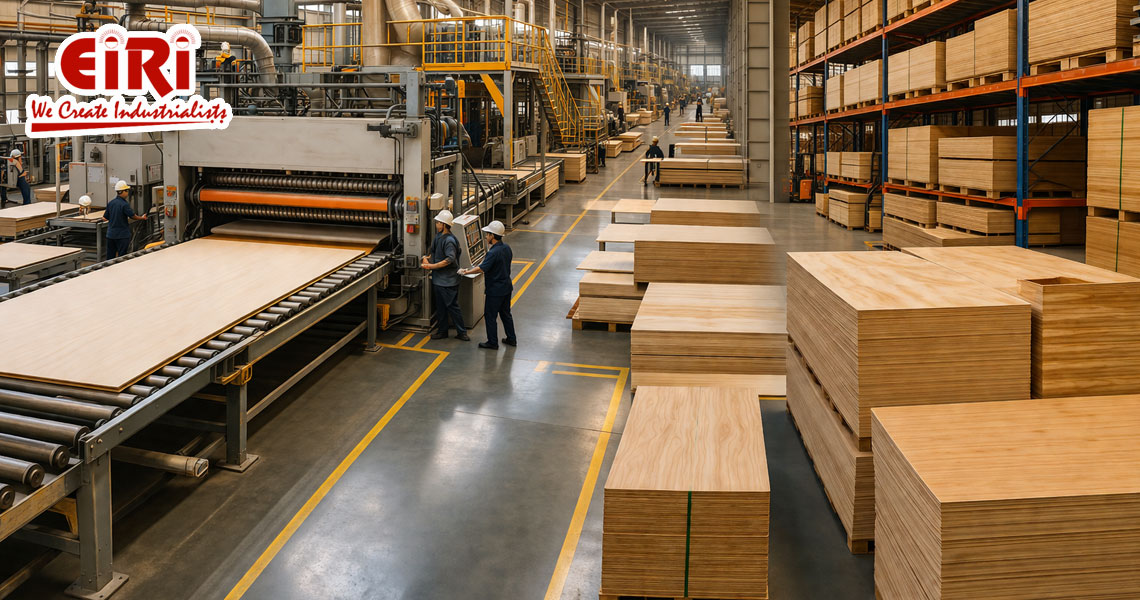
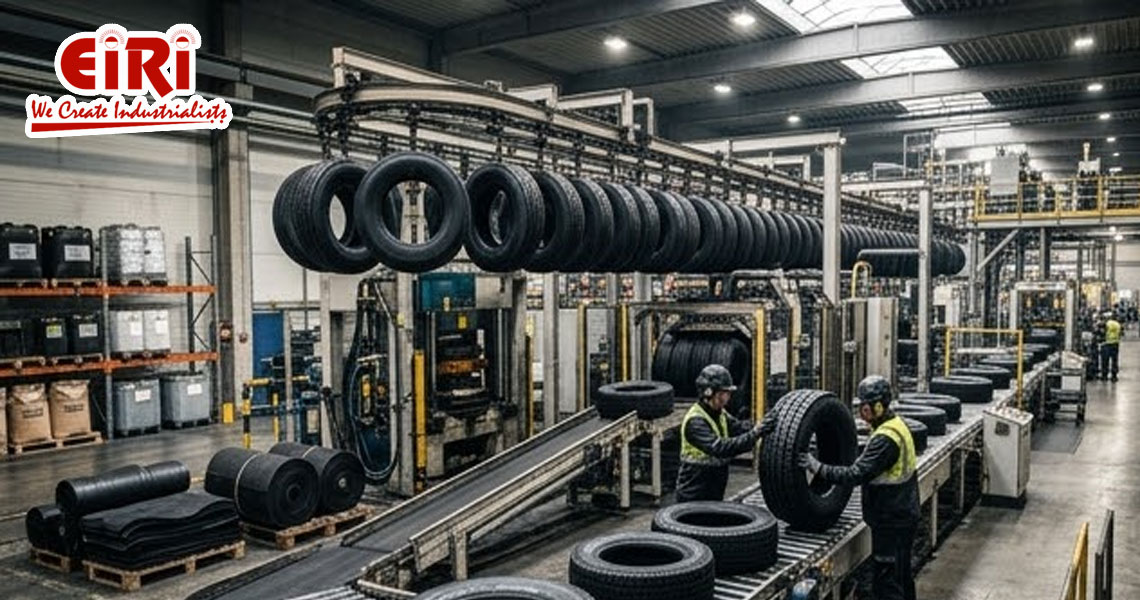
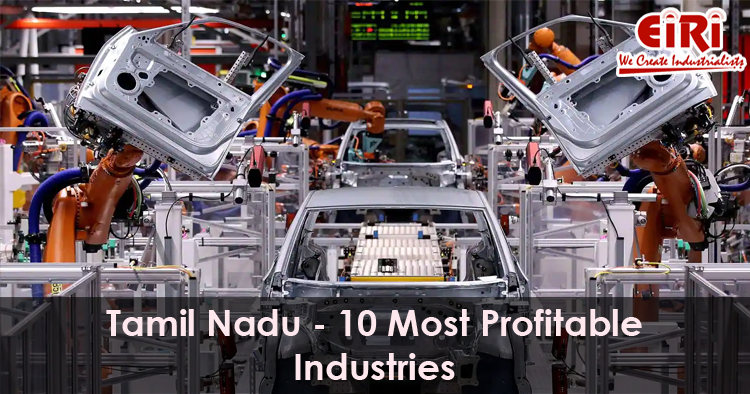
Manufacturing industries encompass those businesses that produce goods using raw materials and components. These industries often operate on a small scale but can cover a wide range of products, from food and beverages to textiles and machinery.
- Textiles and Garments: This sub-sector is significant in countries like India, where traditional weaving and contemporary garment manufacturing coexist. SSIs in this field produce items such as clothing, accessories, and home textiles.
- Food and Beverage: Small scale food processing units include bakeries, dairy products, and packaged snacks. These industries leverage local raw materials and cater to both local and national markets.
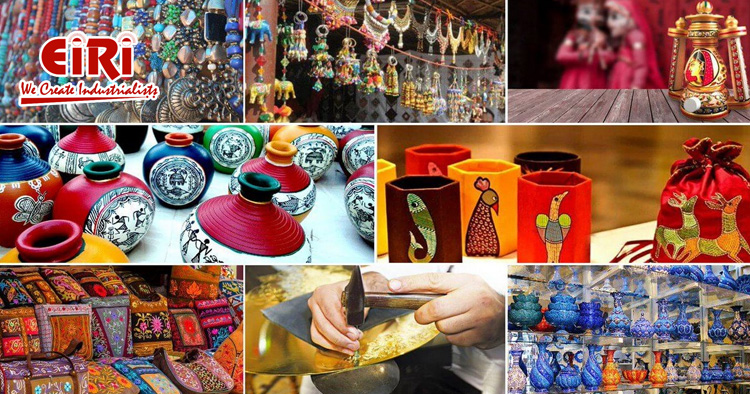
- Handicrafts and Artisan Goods: These industries focus on producing handmade products like pottery, jewelry, and woodwork. They preserve cultural heritage and attract niche markets both domestically and internationally.
Manufacturing SSIs contribute significantly to employment generation. They often require less capital investment and can be set up in rural and semi-urban areas, helping in the economic development of these regions. Moreover, they provide a platform for innovation and skill development.
Challenges
Despite their benefits, manufacturing SSIs face several challenges, including limited access to advanced technology, inadequate infrastructure, and financial constraints. These factors can hinder their productivity and growth potential.
2. Service Industries
Service industries in the small scale sector provide non-tangible goods and services to consumers and other businesses. They cover a broad spectrum of activities, including IT services, consultancy, and repair and maintenance services.
- Information Technology (IT) and Software Development: Small scale IT firms offer services such as software development, web design, and digital marketing. These businesses often cater to local clients and can scale up through outsourcing and project-based work.
- Consultancy Services: This includes business consultancy, financial advisory, and legal services. Small firms provide personalized and specialized services, filling gaps left by larger firms.
- Repair and Maintenance: These services range from automotive repairs to household appliance maintenance. They are essential for the upkeep of consumer goods and infrastructure.
Service SSIs are crucial for economic diversification. They require less capital investment compared to manufacturing industries and can be easily scaled. Additionally, they often have lower barriers to entry, encouraging entrepreneurship and innovation.
Challenges
Service SSIs may struggle with issues such as competition from larger firms, market saturation, and the need for continuous skill development. Furthermore, maintaining consistent quality and customer satisfaction can be challenging.
3. Agricultural and Allied Industries
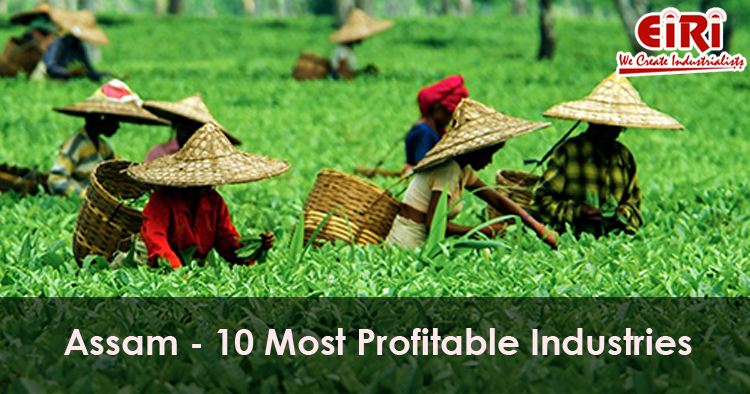
Agricultural and allied industries are small scale enterprises involved in the production, processing, and distribution of agricultural products. These industries are closely linked to rural economies and are crucial for food security and rural employment.
- Agro-processing: This includes small units that process agricultural products like grains, fruits, and vegetables. Examples are flour mills, fruit canning, and vegetable drying units.
- Dairy Farming: Small scale dairy farms produce milk and dairy products such as cheese, yogurt, and butter. These units often supply to local markets and cooperatives.
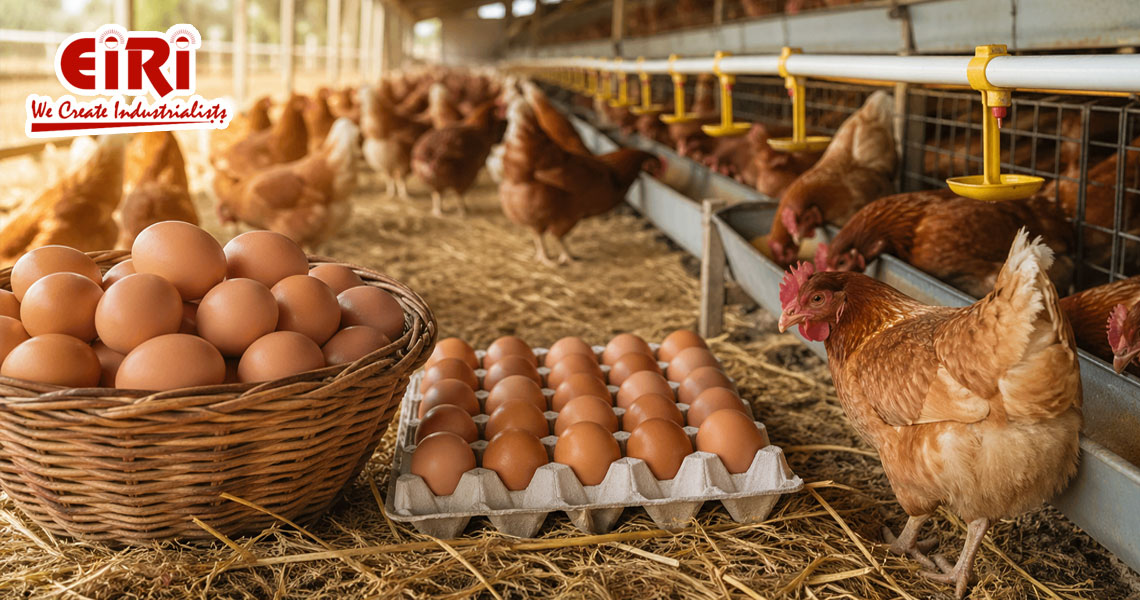
- Poultry and Livestock: These industries involve the rearing of poultry and livestock for meat, eggs, and other products. They play a significant role in the rural economy by providing livelihood opportunities.
Agricultural SSIs promote rural development and help in reducing migration to urban areas. They utilize local resources and create employment opportunities. Additionally, they contribute to food processing and preservation, reducing post-harvest losses.
Challenges
Agricultural SSIs face challenges such as seasonal variability, dependence on weather conditions, and market fluctuations. Access to credit and modern farming techniques can also be limited, affecting productivity and profitability.
4. Cottage Industries
Cottage industries are small-scale industries that are usually home-based and involve family members. They produce goods using traditional methods and skills, often with minimal mechanization.
- Handloom Weaving: This includes the production of handwoven fabrics and garments. It is a significant cottage industry in many parts of India.
- Pottery and Ceramics: Small units produce pottery items, tiles, and decorative ceramics using traditional techniques.
- Handmade Jewelry: This industry involves the crafting of jewelry items using materials like beads, metals, and stones.
Cottage industries preserve traditional crafts and skills, promoting cultural heritage. They provide employment opportunities in rural and semi-urban areas, contributing to local economies. These industries often require low initial investment and utilize local raw materials.
Challenges
Cottage industries may face challenges such as competition from mechanized production, limited access to markets, and insufficient financial resources. Additionally, maintaining quality and scaling production can be difficult.
5. Small Scale Retail and Trade
Small scale retail and trade industries involve businesses that buy and sell goods in relatively small quantities. These include local shops, small retail outlets, and trading businesses.
- Grocery Stores: Small neighborhood stores that sell food and household items. They cater to local communities and are a vital part of daily life.
- Boutiques and Specialty Shops: These include small retail outlets that sell specific items like clothing, accessories, or handmade crafts.
- Local Markets and Hawkers: These are small traders who sell goods in local markets or as street vendors. They provide accessible and affordable products to consumers.
Small scale retail and trade businesses are essential for local economies, providing convenient access to goods and services. They create employment opportunities and support local suppliers and producers.
Challenges
These businesses often face competition from larger retail chains and e-commerce platforms. They may also struggle with issues like high rental costs, supply chain management, and maintaining customer loyalty.
Conclusion
Small scale industries are diverse and multifaceted, encompassing a wide range of activities and sectors. They play a crucial role in economic development, providing employment, promoting entrepreneurship, and contributing to GDP. Each type of small scale industry has its unique benefits and challenges, but collectively, they are indispensable to the fabric of both urban and rural economies. By understanding and supporting these industries, we can foster sustainable economic growth and development.