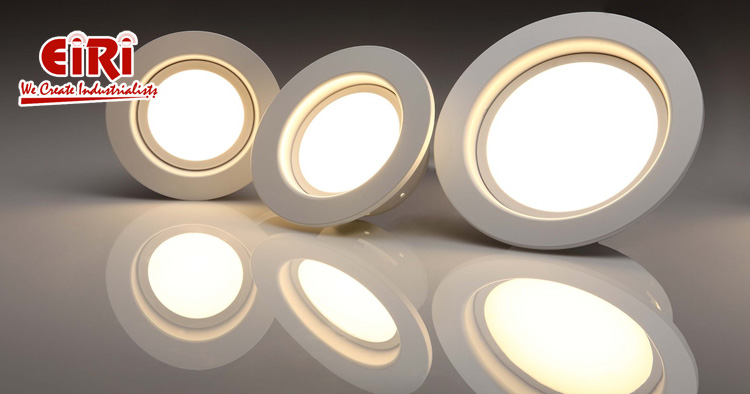
The demand for energy-efficient lighting solutions has increased significantly over the years, driven by the need for cost savings, environmental concerns, and government regulations promoting sustainable energy use. LED (Light Emitting Diode) lights have emerged as the preferred choice due to their durability, low energy consumption, and eco-friendliness. Entrepreneurs looking to enter the LED manufacturing industry have the opportunity to establish a profitable business by providing high-quality LED bulbs and fixtures that cater to both residential and industrial markets.
Market Demand and Growth Potential
The global LED lighting market is experiencing rapid growth due to advancements in technology, the rising need for smart lighting systems, and an increasing focus on sustainability. Governments worldwide are promoting LED adoption through incentives, subsidies, and strict energy-efficiency regulations. LED lights are used in various applications, including home lighting, commercial buildings, street lighting, automotive lighting, and industrial illumination. As more consumers switch from traditional incandescent and CFL bulbs to LEDs, the market demand is expected to grow steadily, making it an attractive sector for new businesses.
Types of LED Lights and Their Applications
LED lighting products are available in multiple forms, catering to different industries and consumer needs:
- LED Bulbs: Used for general residential and commercial lighting, replacing traditional incandescent and CFL bulbs.
- LED Tubes: Energy-efficient alternatives to fluorescent tube lights commonly found in offices and retail spaces.
- LED Panels: Widely used in corporate offices, hospitals, and educational institutions for uniform lighting.
- LED Street Lights: Essential for urban infrastructure, reducing energy costs for municipalities and enhancing road safety.
- Smart LED Lighting: Integrates IoT technology, allowing remote control and automation for homes and businesses.
- Industrial LED Fixtures: Designed for high-performance applications in factories, warehouses, and outdoor environments.
Manufacturers can choose to specialize in a particular category or offer a diverse range of products to meet various customer needs.
Setting Up the LED Light Manufacturing Unit
Establishing an LED manufacturing plant requires strategic planning, investment in advanced machinery, and adherence to quality control measures. The facility should be located in an industrial zone with access to raw materials, a skilled workforce, and logistics support. Key infrastructure elements include a production floor, testing labs, quality control sections, and packaging areas. Additionally, proper ventilation, waste management, and environmental compliance should be ensured.
The Manufacturing Process of LED Lights
The LED light production process involves several critical stages:
- Component Sourcing: The core materials, such as LED chips, heat sinks, drivers, PCBs, and casings, are sourced from reliable suppliers.
- Chip Mounting and Assembly: LED chips are mounted onto circuit boards, followed by soldering and assembling electrical components.
- Enclosure and Heat Management: The assembled LEDs are encased in protective covers, and heat sinks are added to enhance thermal performance.
- Quality Testing: The final products undergo rigorous testing for brightness, color accuracy, durability, and energy efficiency.
- Packaging and Distribution: LED lights are packaged in eco-friendly materials and distributed through wholesalers, retailers, and online platforms.
Investing in automated production lines can enhance efficiency, reduce costs, and ensure consistent product quality.
Quality Standards and Regulatory Compliance
Adhering to national and international quality standards is crucial for a successful LED light manufacturing business. Certifications such as ISO 9001 (Quality Management System), CE (European Standards Compliance), RoHS (Restriction of Hazardous Substances), and BIS (Bureau of Indian Standards) ensure product reliability and market acceptance. Compliance with government energy efficiency regulations, safety norms, and environmental policies is essential for legal operations and customer trust.
Sourcing Raw Materials and Managing Costs
Selecting high-quality raw materials plays a vital role in LED performance and longevity. Manufacturers need to establish partnerships with reputable suppliers for LED chips, drivers, aluminum heat sinks, and diffusers. Cost optimization strategies, such as bulk purchasing, waste reduction, and lean manufacturing techniques, help improve profit margins. Investing in energy-efficient production methods can further lower operational costs and enhance sustainability.
Packaging and Distribution Strategies
Effective packaging protects LED products from damage during transit and enhances brand recognition. Eco-friendly packaging solutions contribute to sustainability efforts and appeal to environmentally conscious consumers. Distribution strategies include:
- Direct Sales to Businesses: Supplying LEDs to corporate offices, industries, and government projects.
- Retail Partnerships: Collaborating with electronic stores, supermarkets, and home improvement retailers.
- E-commerce Platforms: Selling LED products through online marketplaces and direct-to-consumer websites.
- Export Markets: Expanding business reach by supplying LED lights to international buyers and distributors.
Marketing and Branding in the LED Industry
Building a strong brand presence is key to differentiating a LED manufacturing business from competitors. Marketing strategies should focus on:
- Highlighting Energy Efficiency: Educating customers about the cost savings and environmental benefits of LED lighting.
- Leveraging Digital Marketing: Running social media campaigns, SEO-optimized websites, and Google Ads to attract potential buyers.
- Offering Product Demonstrations: Organizing workshops, trade fairs, and exhibitions to showcase product performance.
- Partnering with Builders and Contractors: Establishing long-term business relationships with real estate developers and commercial projects.
A customer-centric approach and excellent after-sales service contribute to brand loyalty and repeat business.
Future Trends and Innovation in LED Manufacturing
The LED industry is continuously evolving with technological advancements and innovations. Key trends shaping the future include:
- Smart LED Lighting with IoT Integration: Allowing remote control, dimming, and automation through smartphone apps.
- Solar-Powered LED Solutions: Combining solar energy with LED lighting to create sustainable outdoor and street lighting options.
- Human-Centric Lighting: Developing LEDs that mimic natural daylight to enhance well-being and productivity.
- Miniaturization and Flexible LEDs: Producing ultra-thin and bendable LED panels for creative architectural applications.
- Sustainable Manufacturing: Reducing carbon footprints through energy-efficient production and recyclable materials.
Manufacturers that embrace these innovations can stay ahead in the competitive market and tap into new business opportunities.
Conclusion
Starting an LED light manufacturing business presents a lucrative opportunity in the growing energy-efficient lighting sector. Entrepreneurs need to focus on high-quality production, regulatory compliance, cost-effective sourcing, and innovative marketing strategies. With increasing demand for smart and sustainable lighting solutions, investing in research, development, and advanced manufacturing technologies will ensure long-term success. By building a strong distribution network and maintaining customer satisfaction, LED manufacturers can establish a thriving and profitable business in the lighting industry.