Hair removal has been an essential part of personal grooming for centuries, and waxing is one of the most popular methods used worldwide. The hair removal market continues to expand, fueled by innovations in products and consumer preferences for natural, sustainable, and effective solutions. Among the many hair removal methods, waxing offers a long-lasting and smooth result that is favored by both men and women. For businesses looking to enter this competitive space, understanding the fundamentals of hair removing wax manufacturing is critical. This comprehensive guide explores the intricacies of the industry, from the composition of wax to the manufacturing process, market trends, and regulatory compliance.
Understanding Hair Removing Wax: What You Need to Know
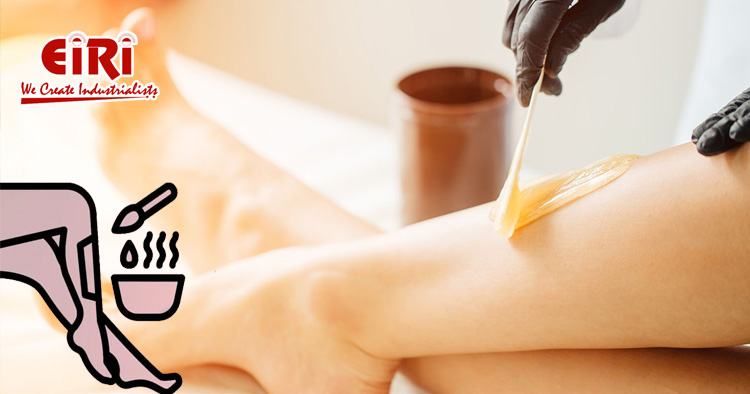
Hair removing wax is a semi-solid substance that adheres to hair follicles and removes hair from the root when pulled off. It’s highly effective in delivering smooth, hair-free skin for weeks at a time. There are several types of wax products in the market, each tailored to different skin types, hair types, and user preferences. The basic categories of hair removing wax include:
- Soft Wax (Strip Wax): This type of wax is spread in a thin layer over the skin and removed using cloth or paper strips. Soft wax is ideal for larger areas like legs, arms, and back.
- Hard Wax (Strip-Free Wax): Hard wax is applied warm, allowed to cool, and then pulled off without the need for strips. It’s suitable for sensitive areas such as the face, bikini line, and underarms because it adheres only to the hair, not the skin.
- Sugaring Wax: Made from sugar, water, and lemon juice, this natural option is gaining popularity due to its gentleness on the skin. It’s effective for both fine and coarse hair, offering a more organic alternative to traditional waxes.
The benefits of waxing go beyond just hair removal. Waxing exfoliates the skin by removing dead skin cells, which contributes to smoother, softer skin. Regular waxing can also reduce the density and growth rate of hair over time, making future sessions less painful and time-consuming.
The Manufacturing Process: How Hair Removing Wax is Made
The process of manufacturing hair removing wax involves several stages, from ingredient selection to quality control. The core components of hair removal wax include resin, oils, and additives. The balance of these ingredients determines the wax's texture, melting point, and adhesive strength.
1. Ingredient Selection
The first step in wax manufacturing is choosing the right ingredients. Resins like rosin, which is derived from pine trees, form the base of most wax formulations. Resins give the wax its sticky quality, allowing it to adhere to hair. Other key ingredients include:
- Beeswax: A natural wax that provides flexibility and smooth application.
- Paraffin Wax: A petroleum-based wax that improves consistency and melting properties.
- Essential Oils: Ingredients like lavender, tea tree, or chamomile oil are added for their skin-soothing properties and to improve the sensory experience of the product.
- Additives: These can include coloring agents, fragrances, or skin-conditioning ingredients that enhance the wax’s appeal.
2. Melting and Mixing
Once the ingredients are selected, they are heated in industrial kettles to reach the proper melting temperature. Resins and waxes are melted first, creating a smooth base. Oils and other additives are gradually mixed into the base until a homogeneous mixture is achieved. The heating process is carefully controlled to ensure consistency in texture and performance.
3. Cooling and Solidification
After mixing, the wax is poured into molds or containers where it is allowed to cool and solidify. During the cooling process, the wax undergoes a final quality check to ensure its texture and consistency meet the required standards. The cooling process can vary depending on whether the wax is being prepared as hard wax (which solidifies at a higher temperature) or soft wax (which remains pliable).
4. Quality Control and Packaging
Quality control is critical in the manufacturing process to ensure that the wax is effective and safe for use. This includes testing the wax for consistency, temperature stability, and skin compatibility. Once the product passes quality tests, it is packaged in jars, tubs, or cartridges, depending on the format required by consumers. Packaging is also an important step, particularly as consumer demand grows for eco-friendly packaging options, such as recyclable or biodegradable containers.
Choosing the Right Ingredients for Optimal Results
The choice of ingredients plays a pivotal role in the quality and performance of hair removal wax. Different ingredients cater to different skin types and preferences, and manufacturers must balance cost, efficacy, and consumer demand when selecting raw materials.
- Natural vs. Synthetic Waxes: Natural waxes, such as beeswax and soy wax, are often favored for their skin-friendly properties. Synthetic waxes, like paraffin, are more affordable and provide a consistent texture but may not be as gentle on sensitive skin.
- Essential Oils: These are frequently added to improve the scent of the wax and provide skin-soothing benefits. Lavender, tea tree, and eucalyptus oils are popular for their anti-inflammatory and antibacterial properties, which can help prevent skin irritation post-waxing.
- Hypoallergenic Ingredients: Consumers with sensitive skin often seek out hypoallergenic products. Removing common allergens like fragrances, parabens, and certain preservatives from formulations can broaden the product’s appeal to individuals with skin sensitivities.
- Skin-Friendly Formulations: For the modern consumer, it's essential that waxing products are both effective and gentle. Aloe vera, chamomile, and calendula extracts are commonly added to improve the soothing and moisturizing effects of the wax. These ingredients help to reduce redness and irritation, which can occur after hair removal.
Market Trends: The Future of Hair Removing Wax Manufacturing
The beauty and personal care industry is seeing significant shifts driven by consumer demand for sustainable, eco-friendly products. This trend is increasingly evident in the hair removal wax market, where consumers are looking for products that align with their values of sustainability and ethical manufacturing.
- Sustainable Beauty Products: There's a rising trend toward natural and organic ingredients, with consumers favoring products that are free from harsh chemicals. Hair removing wax made from organic resins, plant-based oils, and biodegradable packaging is becoming more popular as part of the broader movement toward clean beauty.
- Eco-Friendly Packaging: Traditional plastic containers are being replaced by eco-friendly alternatives like glass jars or biodegradable packaging. This not only caters to environmentally conscious consumers but also helps brands differentiate themselves in a crowded market.
- Innovations in Hair Removal Technology: New formulations, such as cold wax strips and sugar-based waxes, are gaining traction for their convenience and minimal environmental impact. Additionally, advancements in delivery systems, such as roll-on wax applicators, are making at-home waxing easier and more effective.
- Consumer Preferences: Consumers are now looking for more personalized beauty care solutions. This includes products tailored to specific skin types (e.g., sensitive or acne-prone skin) and preferences for all-natural, vegan, or cruelty-free beauty products. Additionally, the demand for multi-functional products, like waxes that not only remove hair but also moisturize and exfoliate, is on the rise.
Compliance and Regulations in Hair Removal Product Manufacturing
Hair removal products, including waxes, must adhere to strict safety and quality standards. Regulatory compliance ensures that the products are safe for consumers and meet the guidelines set by governing bodies like the FDA (Food and Drug Administration) in the United States or the European Medicines Agency (EMA) in Europe.
- Safety Standards for Cosmetic Manufacturing: Hair removal wax is categorized as a cosmetic product, and manufacturers must follow safety standards for ingredient sourcing, formulation, and production. This includes ensuring that raw materials are free from contaminants and that final products are free from harmful substances like heavy metals or allergens.
- FDA Regulations: In the U.S., the FDA regulates cosmetic products under the Federal Food, Drug, and Cosmetic Act. This includes requirements for ingredient labeling, ensuring that products do not contain prohibited substances, and verifying that they are safe for consumer use. Failure to comply can result in product recalls, fines, and legal action.
- Labeling Requirements: Accurate labeling is essential for informing consumers about the ingredients and potential allergens in hair removal wax. Labels must also include directions for use, warnings about possible side effects, and expiration dates. For companies exporting products internationally, compliance with regional regulations and labeling laws is critical.
Conclusion: Why Investing in Hair Removing Wax Manufacturing is a Smart Business Move Today!
The hair removing wax industry presents a lucrative opportunity for businesses looking to tap into the growing beauty and personal care market. With consumer demand shifting toward sustainable, natural, and eco-friendly products, there is ample room for innovation and growth. The potential for developing personalized, hypoallergenic, and multifunctional waxing products allows manufacturers to meet the evolving needs of a diverse customer base. Coupled with advances in manufacturing technology and packaging solutions, the hair removing wax market is poised for continued success. By investing in this industry, businesses can capitalize on the current beauty trends while contributing to a more sustainable future.