The global energy landscape is undergoing a significant transformation, with a growing emphasis on cleaner and more sustainable fuel alternatives. Among these alternatives, Liquified Petroleum Gas (LPG) and Compressed Natural Gas (CNG) have emerged as popular choices for both residential and industrial applications. As the demand for LPG and CNG continues to rise, so does the need for safe and reliable storage solutions, driving the growth of the LPG and CNG cylinder manufacturing industry.
The gas cylinder market is valued at US$ 7.6 billion in 2024, with a projected growth to US$ 9.4 billion by 2034, advancing at a 2.1% CAGR from 2024 to 2034.
The increasing adoption of LPG cylinders globally drives market growth, favored by their widespread use in household cooking, heating appliances, and commercial kitchens. Shifting consumer preferences towards LPG from traditional fuels, coupled with demand from automotive sectors for cost-effective, eco-friendly options, further boosts market expansion. Automation in manufacturing enhances efficiency and quality, while advanced materials like fiberglass and composites contribute to lightweight, safer cylinders. Government subsidies and awareness campaigns, along with demand across various industries, including manufacturing, agriculture, and marine sectors, are expected to fuel market growth.
Understanding LPG and CNG Cylinders
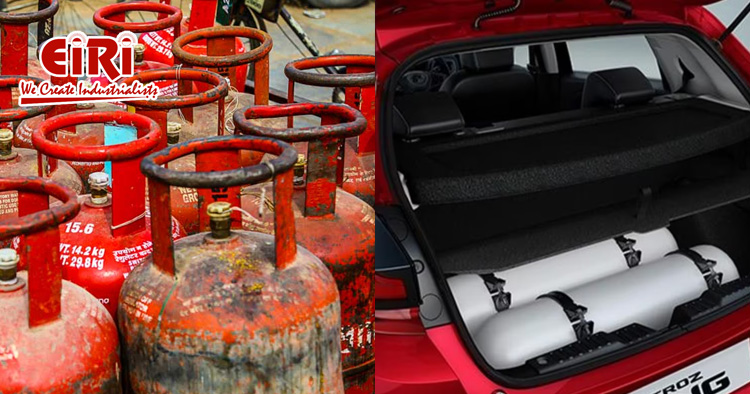
LPG and CNG cylinders serve as essential components of the distribution and storage infrastructure for these fuels. LPG, a versatile and easily transportable fuel, is commonly used for cooking, heating, and powering vehicles in both urban and rural areas. CNG, on the other hand, is primarily used as a clean-burning alternative fuel for vehicles, offering lower emissions and reduced environmental impact compared to traditional gasoline or diesel.
LPG and CNG cylinders are designed to withstand high pressures and ensure the safe containment and transportation of these gases. Typically made from high-strength materials such as steel or composite materials, these cylinders undergo stringent manufacturing processes to meet industry standards and regulatory requirements.
LPG Cylinders:
LPG is a versatile and easily transportable fuel widely utilized for various purposes. In households, it is commonly used for cooking and heating, providing a convenient and efficient energy source. Additionally, LPG is extensively used in vehicles, both in urban and rural areas, powering cars, buses, and other modes of transportation. LPG cylinders are specifically designed to withstand high pressures and ensure the safe containment and transportation of this gas. Typically crafted from durable materials such as steel or composite materials, these cylinders undergo rigorous manufacturing processes to adhere to industry standards and regulatory requirements.
CNG Cylinders:
CNG serves primarily as a clean-burning alternative fuel for vehicles, offering lower emissions and reduced environmental impact compared to traditional gasoline or diesel. It is compressed to high pressures and stored in specially designed cylinders for use in vehicles equipped with CNG engines. These cylinders are engineered to withstand the extreme pressures involved in storing compressed gas safely. Similar to LPG cylinders, CNG cylinders are constructed from robust materials such as steel or composite materials and undergo stringent manufacturing processes to ensure compliance with industry standards and regulations.
While both LPG and CNG cylinders serve the common purpose of storing and transporting fuel gases, they cater to different markets and applications, with LPG cylinders predominantly used for household and vehicular applications, and CNG cylinders dedicated to providing clean energy solutions for automotive transportation.
Market Dynamics and Growth Drivers
The LPG and CNG cylinder manufacturing industry is driven by several key factors:
- Rising Demand for Clean Energy Solutions: With growing environmental concerns and a shift towards cleaner energy sources, the demand for LPG and CNG as alternative fuels is on the rise. This increased demand translates into a growing need for LPG and CNG cylinders to support the storage and distribution of these fuels.
- Government Initiatives and Incentives: Governments around the world are implementing policies and incentives to promote the adoption of clean energy solutions, including LPG and CNG. Subsidies, tax incentives, and regulatory mandates are driving the expansion of the LPG and CNG market, further fueling demand for cylinders.
- Infrastructure Development: The expansion of distribution networks for LPG and CNG, particularly in emerging markets, is creating opportunities for cylinder manufacturers. Investments in infrastructure development, including storage facilities and refueling stations, are driving the need for cylinders to support these networks.
- Technological Advancements: Ongoing advancements in materials science and manufacturing technologies are enabling the development of lighter, more durable, and cost-effective cylinders. Composite materials, in particular, offer advantages such as reduced weight and improved corrosion resistance, driving their adoption in the industry.
Challenges and Opportunities
While the LPG and CNG cylinder manufacturing industry presents significant growth opportunities, it also faces several challenges:
- Regulatory Compliance: Stringent safety and quality standards govern the manufacturing and use of LPG and CNG cylinders to ensure consumer safety. Compliance with these regulations requires substantial investment in quality control processes and certification procedures.
- Market Competition: The industry is highly competitive, with numerous manufacturers vying for market share. Differentiating products based on quality, reliability, and cost-effectiveness is essential for success in this competitive landscape.
- Supply Chain Management: Managing the supply chain effectively is critical to ensure timely delivery of raw materials and components required for cylinder manufacturing. Disruptions in the supply chain can impact production schedules and customer satisfaction.
Despite these challenges, the LPG and CNG cylinder manufacturing industry offers lucrative opportunities for entrepreneurs and investors. By leveraging technological advancements, adhering to regulatory requirements, and focusing on product innovation, manufacturers can capitalize on the growing demand for clean energy solutions and establish themselves as key players in this dynamic market.
Conclusion
The LPG and CNG cylinder manufacturing industry play a crucial role in supporting the global transition towards cleaner and more sustainable energy sources. As the demand for LPG and CNG continues to rise, so does the need for safe and reliable storage solutions. By addressing key market drivers, overcoming challenges, and embracing opportunities for innovation, manufacturers can position themselves for success in this thriving industry.