In recent years, the Black Soldier Fly (BSF) has emerged as a key player in the world of sustainable agriculture and waste management. As the demand for environmentally friendly and cost-effective protein sources grows, BSF farming offers an innovative solution by transforming organic waste into valuable products such as animal feed, fertilizer, and biofuel. This article explores the potential of the Black Soldier Fly farming business, detailing its benefits, the farming process, and the market opportunities it presents.
Understanding the Black Soldier Fly and Its Benefits
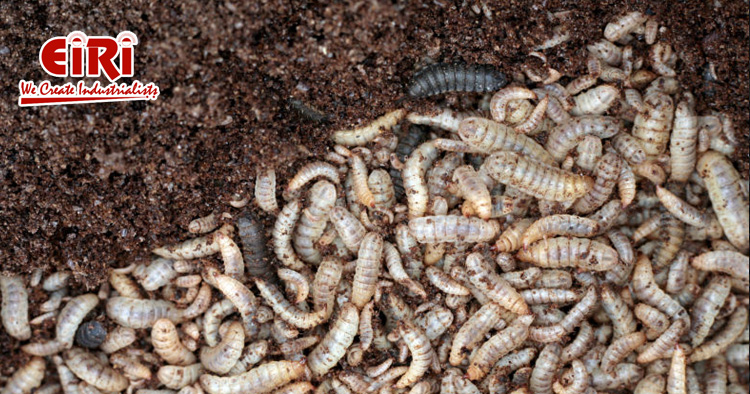
The Black Soldier Fly (Hermetia illucens) is a non-pest insect native to the Americas but now widespread globally due to its adaptability. Unlike other flies, adult Black Soldier Flies do not feed on waste or transmit diseases. Instead, they play a crucial role in decomposing organic matter. Their larvae are voracious eaters that can consume large quantities of organic waste, including food scraps, manure, and agricultural by-products, converting them into high-protein biomass.
Key Benefits of Black Soldier Fly Farming:
- Sustainable Protein Production: BSF larvae are rich in protein (up to 42%) and fat (up to 35%), making them an excellent alternative to traditional protein sources like fishmeal and soybean meal. This provides a sustainable feed option for livestock, poultry, and aquaculture.
- Waste Management: BSF larvae can convert various organic waste streams, such as food waste and manure, into valuable biomass. This reduces the volume of waste going to landfills, decreases greenhouse gas emissions, and promotes a circular economy.
- Organic Fertilizer Production: The by-product of BSF farming, known as frass, is a nutrient-rich organic fertilizer that enhances soil health, supports plant growth, and reduces reliance on chemical fertilizers.
- Low Environmental Impact: Compared to traditional livestock farming, BSF farming has a smaller ecological footprint. It requires less land, water, and resources, contributing to reduced deforestation and biodiversity loss.

The Process of Black Soldier Fly Farming
1. Setting Up a BSF Farm:
To start a BSF farming business, the first step is setting up a suitable environment for breeding and rearing. BSF farming can be done in various scales—from small, home-based setups to large, commercial operations. The basic requirements include:
- Breeding Area: A controlled environment for adult BSF to mate and lay eggs. This area should have a temperature range of 25-30°C and relative humidity of 60-70%, which are ideal conditions for BSF reproduction.
- Larvae Rearing Containers: Special containers or trays are used to house the larvae and provide them with organic waste to feed on. These containers should have adequate ventilation and drainage to manage moisture levels.
- Waste Management System: A system for sourcing, sorting, and preparing organic waste is crucial. Waste materials should be free of contaminants like plastics, chemicals, or pathogens.
2. Breeding and Egg Collection:
BSF farming begins with breeding the adult flies. In a controlled environment, adult BSFs are attracted to specific lighting and temperature conditions, encouraging them to mate. Females lay eggs in small clusters near decomposing organic material, and these eggs hatch into larvae within a few days. The larvae are then transferred to the rearing containers, where they feed on the provided organic waste.
3. Larvae Rearing and Harvesting:
The larvae grow rapidly, reaching their maximum size in about two weeks. During this period, they consume significant amounts of organic waste, converting it into protein-rich biomass. As the larvae reach the pre-pupae stage, they are harvested and processed into various products, such as animal feed or biofuel. The residue left behind after larvae harvesting, known as frass, is collected and used as organic fertilizer.
4. Processing and Utilization of Products:
- Larvae Products: The harvested larvae can be dried, ground, or processed into meal, oil, or powder. These products are used as feed ingredients for poultry, livestock, fish, and pets.
- Frass: The organic residue from the rearing process is an excellent fertilizer that improves soil fertility and structure.
- Waste-to-Energy: The waste-to-energy conversion of BSF biomass offers potential in biofuel production, contributing to renewable energy sources.
Market Potential and Opportunities for BSF Farming
1. Growing Demand for Sustainable Protein:
The global demand for sustainable protein is rapidly increasing, driven by the expanding population, rising meat consumption, and the need for alternative protein sources. As a rich protein and fat source, BSF larvae offer an efficient and eco-friendly substitute for conventional protein ingredients. Industries like aquaculture, poultry farming, and pet food manufacturing are particularly interested in BSF products, providing a robust market for BSF farmers.
2. Waste Management Solutions:
BSF farming aligns with global initiatives to reduce food waste and promote sustainable waste management practices. The ability of BSF larvae to transform organic waste into valuable products creates significant opportunities for municipalities, food processing companies, and agricultural enterprises seeking innovative waste disposal solutions.
3. Organic Fertilizer Market:
With the rising awareness of sustainable agriculture, the demand for organic fertilizers is on the rise. BSF frass, a by-product of the farming process, serves as a high-quality organic fertilizer, enhancing the soil's microbial activity and nutrient profile. This positions BSF farming businesses to tap into the expanding organic farming market.
4. Regulatory Support and Incentives:
Many governments and regulatory bodies are increasingly supporting insect farming as part of their sustainability and food security strategies. In India, for instance, policies promoting organic waste management, renewable energy, and sustainable agriculture are indirectly encouraging the growth of the BSF farming industry.
Challenges in BSF Farming
1. Regulatory and Legal Barriers:
The regulatory landscape for insect farming is still evolving, with different countries imposing various restrictions and requirements on the production and sale of insect-based products. Navigating these regulations can be complex and requires awareness of local, national, and international standards.
2. Market Acceptance and Consumer Perception:
While the benefits of BSF products are clear, gaining market acceptance remains a challenge. Consumers and businesses may be hesitant to adopt insect-based products due to cultural attitudes, lack of awareness, or concerns about quality and safety. Overcoming these barriers requires extensive education, marketing, and quality assurance.
3. Technical Expertise and Infrastructure:
Setting up and managing a BSF farm requires specialized knowledge in insect biology, waste management, and farming techniques. Additionally, the initial investment in infrastructure and equipment, such as climate-controlled breeding chambers and waste processing systems, can be significant for small-scale farmers.
Conclusion
The Black Soldier Fly farming business offers a sustainable, profitable, and versatile opportunity for entrepreneurs looking to capitalize on the growing demand for eco-friendly protein sources and waste management solutions. With its numerous benefits, including sustainable protein production, waste reduction, and soil health improvement, BSF farming is poised to become a star player in the insect farming industry. However, navigating the challenges of market acceptance, regulatory compliance, and technical expertise will require strategic planning, investment in innovation, and a commitment to quality. As global trends continue to favor sustainable practices, the potential for growth and success in the BSF farming business remains significant.