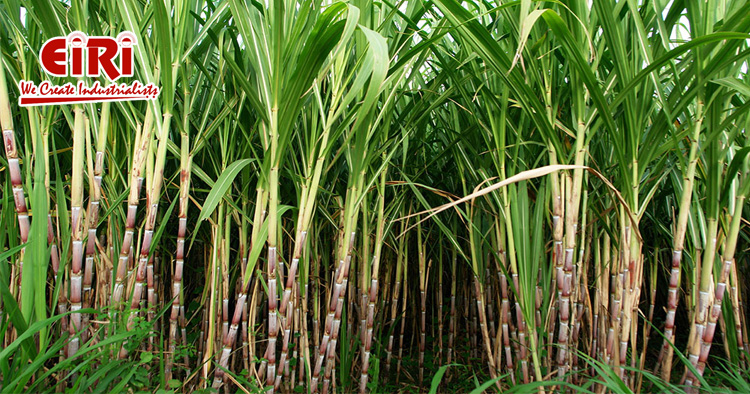
Sugarcane plantation and sugar milling are integral components of the agricultural and industrial sectors in many countries, especially in tropical and subtropical regions. This article delves into the various aspects of sugarcane cultivation, the operation of sugar mills, and the by-products generated from the sugar production process, emphasizing their economic and environmental significance.
The Sugarcane Plantation
1. Climate and Soil Requirements
Sugarcane thrives in tropical and subtropical climates, requiring abundant sunlight, warm temperatures, and regular rainfall or irrigation. The ideal temperature range for sugarcane growth is between 20°C and 30°C, with a rainfall requirement of 1500 to 2500 mm per year. Soil should be rich in organic matter, well-drained, and have a pH range of 5 to 8.
2. Cultivation Practices
- Land Preparation: Proper land preparation is crucial for sugarcane cultivation. This includes plowing, harrowing, and leveling to create a fine tilth.
- Planting: Sugarcane is typically propagated using stem cuttings known as setts. These setts are planted in furrows at a spacing that ensures optimal growth.
- Irrigation: Adequate water supply is vital, particularly during the initial growth stages. Drip and sprinkler irrigation systems are increasingly popular for their water efficiency.
- Fertilization: Nutrient management through the application of organic and inorganic fertilizers is essential for high yield. Key nutrients include nitrogen, phosphorus, and potassium.
- Weed and Pest Control: Effective weed management and pest control strategies, including the use of herbicides, pesticides, and biological control agents, are necessary to protect the crop.
3. Harvesting
Sugarcane is typically harvested 10-18 months after planting, depending on the variety and climatic conditions. Harvesting can be done manually or mechanically. The harvested cane is then transported to the sugar mill for processing.

The Sugar Mill
1. Overview of Sugar Milling Process
- Crushing: The harvested cane is washed and crushed to extract juice. This is typically done using large roller mills.
- Clarification: The extracted juice is treated with lime to remove impurities and then heated to precipitate solids.
- Evaporation: The clarified juice is concentrated into syrup through evaporation in multi-effect evaporators.
- Crystallization: The syrup is further concentrated and seeded with sugar crystals to promote crystallization.
- Centrifugation: The mixture of crystals and molasses (known as massecuite) is spun in centrifuges to separate the sugar crystals from the molasses.
- Drying and Packaging: The raw sugar crystals are dried, cooled, and packaged for distribution.
2. By-products of Sugar Milling
- Bagasse: One of the primary by-products of the sugar milling process is bagasse, the fibrous residue that remains after the juice has been extracted from the sugarcane. Bagasse is rich in cellulose and lignin, making it an excellent biofuel. In many sugar mills, bagasse is utilized to fuel boilers, generating steam and electricity for the milling operations. This practice significantly contributes to the mill's energy self-sufficiency, reducing reliance on external energy sources and enhancing sustainability. The use of bagasse as a biofuel not only supports the energy needs of the mill but also helps in managing waste effectively, turning a potential disposal problem into a valuable resource.
The fibrous residue remaining after juice extraction is known as bagasse. It is commonly used as a biofuel in the mill's boilers to generate steam and electricity, contributing to the mill's energy self-sufficiency. - Molasses: Molasses is another important by-product of the sugar extraction process. This thick, viscous liquid is obtained during the centrifugation stage, where sugar crystals are separated from the syrup. Molasses is rich in sugars and other nutrients, making it a versatile product with various applications. It is widely used in the production of ethanol, which serves as a biofuel and an industrial solvent. Additionally, molasses is a key ingredient in animal feed, providing essential nutrients and enhancing feed quality. The fermentation industry also utilizes molasses in the production of alcoholic beverages and other fermented products. Thus, molasses serves as a critical input in multiple sectors, adding economic value beyond the primary sugar production.
A viscous by-product of the sugar extraction process, molasses is used in the production of ethanol, animal feed, and other industrial products. - Filter Cake: The solid waste generated during the clarification process is known as filter cake. This by-product is composed of organic matter, impurities, and lime used during the juice purification stage. Filter cake is rich in nutrients such as phosphorus, potassium, and nitrogen, making it an excellent soil conditioner and fertilizer. When applied to agricultural fields, filter cake improves soil fertility and structure, enhancing crop yields and promoting sustainable farming practices. By recycling filter cake back into the soil, sugar mills contribute to a circular economy, reducing waste and supporting agricultural productivity. The use of filter cake as a fertilizer also aligns with environmentally friendly practices, minimizing the need for chemical fertilizers and supporting organic farming initiatives.
The solid waste from the clarification process, rich in organic matter and nutrients, is often used as a soil conditioner or fertilizer.
Innovations and Future Trends
- Genetic Engineering: Developing high-yield, pest-resistant, and drought-tolerant sugarcane varieties through genetic modification and traditional breeding techniques.
- Advanced Irrigation Techniques: Implementing precision irrigation systems to enhance water use efficiency.
- Automation and Digitalization: Utilizing automation and digital technologies in sugar mills to improve process control, reduce labor costs, and enhance product quality.
- Bioenergy and Bioproducts: Expanding the use of sugarcane by-products for bioenergy production and developing new bioproducts, such as biodegradable plastics and chemicals.