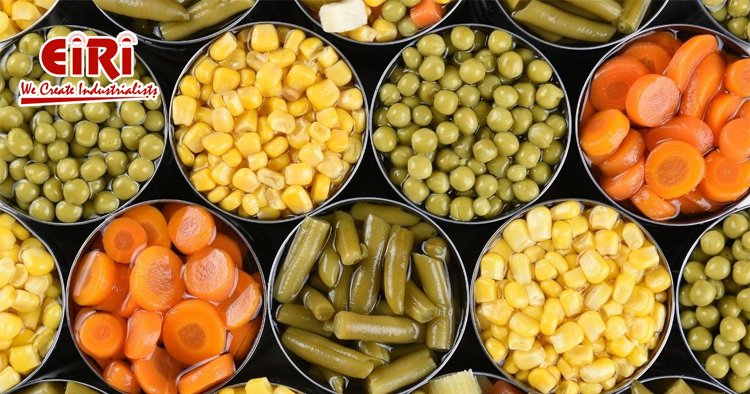
In the modern era of convenience and fast-paced lifestyles, the food industry has witnessed a significant shift towards processed and ready-to-eat options. Among these, the semi-processed canned vegetables business has emerged as a dynamic and essential player in the canned food industry. This unique venture revolves around the processing and packaging of vegetables at a semi-processed stage, offering consumers the goodness of freshly harvested vegetables with the convenience of canned products.
The canned food industry has evolved over the years to cater to the changing consumer preferences for nutritious and easily accessible food options. Semi processed canned vegetables, as the name suggests, are vegetables that undergo partial processing before being canned. This process involves steps such as cleaning, peeling, cutting, blanching, and sometimes light seasoning. These semi-processed vegetables are then sealed in airtight containers to preserve their freshness, flavor, and nutritional value.
The essence of a semi-processed canned vegetables business lies in its ability to strike a balance between natural goodness and convenience. Consumers today are seeking products that offer the best of both worlds – the health benefits of fresh vegetables and the practicality of ready-to-eat meals. This business venture taps into this demand by providing semi-processed vegetables that retain their natural color, taste, and texture while offering the ease of quick preparation.
The vegetable processing business has become a crucial link between agricultural production and consumer preferences. By capturing vegetables at their peak freshness and processing them minimally, this industry segment caters to those who prioritize health-conscious choices without compromising on their busy schedules. Semi processed canned vegetables offer a range of possibilities for culinary creativity, from stir-fries to salads and side dishes, making them a versatile addition to modern kitchens.
As the world becomes more health-conscious and environmentally aware, the semi-processed canned vegetables business stands as a sustainable option. By optimizing the use of raw materials and minimizing waste, this industry contributes to reducing food loss and promoting responsible consumption. Moreover, the convenience of semi-processed vegetables encourages individuals to include more plant-based options in their diets, aligning with the global trend towards healthier eating habits.
In the following sections of this article, we will delve deeper into the intricacies of the semi-processed canned vegetables business. We will explore its production process, the advantages it offers, market trends, and the potential growth prospects in this dynamic and evolving sector of the food industry. As the demand for convenient and nutritious food continues to rise, understanding the nuances of the semi-processed canned vegetables business can pave the way for a successful and fulfilling entrepreneurial journey.
The Advantages of Starting a Semi Processed Canned Vegetables Business
Starting a Semi Processed Canned Vegetables Business offers a unique opportunity to tap into the ever-evolving preferences of modern consumers while contributing to the convenience of their culinary experiences. This venture involves processing vegetables to a semi-finished state before canning, preserving their freshness and nutritional value. Here are some compelling advantages that make this business concept a promising endeavor:
- Nutritional Integrity: Semi processed canned vegetables retain a significant portion of their natural nutrients, offering consumers a healthier alternative to fully processed options. The partial processing approach helps to preserve vitamins, minerals, and essential nutrients, contributing to a balanced diet.
- Extended Shelf Life: The semi-processed method maintains the vegetables' quality and extends their shelf life without relying heavily on artificial preservatives. This appeals to health-conscious consumers who seek longer-lasting, convenient food options.
- Convenience Redefined: Semi processed canned vegetables strike a balance between freshness and convenience. Consumers can enjoy the benefits of minimally processed produce while saving time on meal preparation, making them ideal for busy individuals and families.
- Versatile Culinary Uses: These products cater to a wide range of culinary applications. They can be used as base ingredients in various dishes, reducing the need for extensive prep work. This versatility appeals to both home cooks and professional chefs.
- Reduced Food Waste: By utilizing semi-processed vegetables, this business contributes to reducing food wastage. The controlled processing ensures that surplus produce can be efficiently preserved, decreasing the overall food waste footprint.
- Market Demand: Changing lifestyles and an increasing preference for healthy, convenient foods have created a substantial demand for semi processed canned vegetables. This demand presents a lucrative market opportunity for aspiring entrepreneurs.
- Innovation and Customization: Entrepreneurs in this sector can explore innovative packaging, flavors, and combinations to cater to diverse consumer preferences. This customization allows for product differentiation and market positioning.
- Eco-Friendly Approach: The focus on retaining natural freshness aligns with sustainability goals, attracting environmentally conscious consumers. Additionally, reduced food waste indirectly contributes to a more sustainable food chain.
- Collaboration with Farmers: This business can foster collaboration with local farmers, promoting the utilization of surplus or imperfect produce that might otherwise go to waste. Such partnerships support local agriculture and rural economies.
- Entry Point for Culinary Entrepreneurs: Aspiring culinary entrepreneurs can venture into the food industry with semi processed canned vegetables, offering an avenue to showcase their culinary expertise through ready-to-use products.
In essence, starting a Semi Processed Canned Vegetables Business holds the promise of delivering not just convenience but also a commitment to quality and nutrition. It's a venture that resonates with the changing preferences of modern consumers while addressing the need for efficient food preservation techniques. As the demand for healthier, time-saving options grows, this business stands at the forefront of providing fresh convenience in the canned food industry.

Potential Challenges and Disadvantages of the Semi Processed Canned Vegetables Business
While the Semi Processed Canned Vegetables Business holds promise, it's important to acknowledge and address the potential challenges and disadvantages that entrepreneurs in this field may encounter. Here are some key considerations:
- Stringent Food Safety Regulations: The food industry is heavily regulated, and ensuring compliance with food safety standards and regulations can be complex and time-consuming. Meeting these requirements is essential to maintain the integrity and safety of semi processed canned vegetables.
- Competition in the Market: The food market is highly competitive, and the semi processed canned vegetables segment is no exception. Established brands and new entrants vie for consumer attention, making it crucial to develop a unique selling proposition that sets your products apart.
- Limited Product Variety: Semi processed canned vegetables may have limitations in terms of product variety compared to fully processed canned products. Addressing this challenge requires strategic planning to offer a diverse range of semi processed options that cater to consumer preferences.
- Consumer Perception Towards Processed Foods: Some consumers may have reservations about processed foods, even when the processing is partial and aimed at preserving freshness. Overcoming negative perceptions and educating consumers about the benefits of semi processed options is essential.
- Supply Chain Management: Ensuring a consistent supply of fresh and high-quality vegetables for processing can be challenging. Fluctuations in supply due to seasonality, weather conditions, or other factors can impact production and product availability.
- Packaging and Labeling: Packaging plays a crucial role in attracting consumers and preserving product quality. Designing packaging that effectively communicates the benefits of semi processed products while adhering to labeling regulations is a key consideration.
- Distribution and Logistics: Efficient distribution networks are essential to reach a wider consumer base. Developing a robust distribution strategy that ensures timely delivery while maintaining product quality requires careful planning.
- Educating Consumers: Educating consumers about the concept of semi processed canned vegetables, their nutritional value, and the benefits they offer may require concerted marketing efforts. This is especially important for breaking down misconceptions about processed foods.
- Quality Control: Maintaining consistent quality across batches is essential to building consumer trust. Implementing rigorous quality control measures to monitor processing, packaging, and distribution is critical.
- Consumer Preferences and Trends: Consumer preferences and food trends can evolve rapidly. Adapting to changing preferences and introducing new products or variations that align with current trends is necessary to stay relevant in the market.
- Cost Management: Balancing quality and affordability is a constant challenge. Semi processed canned vegetables require careful cost management to offer competitively priced products while maintaining profitability.
- Health and Nutrition Concerns: Addressing health and nutrition concerns, such as sodium content and preservatives, is important. Offering healthier options and clearly communicating nutritional information can build consumer trust.
Navigating these challenges requires a well-informed and strategic approach. By addressing regulatory requirements, focusing on differentiation, emphasizing quality, and actively engaging with consumers, entrepreneurs in the Semi Processed Canned Vegetables Business can overcome obstacles and create a successful and sustainable venture.
Market Analysis and Target Audience for Semi Processed Canned Vegetables
Understanding the market landscape and identifying the target audience is vital for the success of any business, including the Semi Processed Canned Vegetables venture. Let's delve into the market analysis and the potential target audience for this business:
Canned Vegetable Market Trends (2021 and Beyond):
The canned food industry has witnessed a notable shift in recent years, with consumers seeking convenience, longer shelf life, and enhanced nutritional value. This trend has extended to the canned vegetable segment, where semi processed options are gaining traction. In 2021, the canned vegetable market demonstrated steady growth due to factors like changing lifestyles, urbanization, and the increasing need for easy-to-prepare meals. The semi processed canned vegetables category specifically addresses the demand for products that strike a balance between convenience and freshness.
Consumer Preferences and Trends:
Consumers are increasingly opting for healthier food choices without compromising on convenience. Semi processed canned vegetables offer the advantage of retaining more of the vegetable's original texture, flavor, and nutritional content compared to fully processed alternatives. This resonates well with health-conscious consumers who prioritize both convenience and nutritional value.
Target Customers for Semi Processed Canned Vegetables:
- Urban Professionals: Individuals leading busy lives often seek quick and nutritious meal options. Semi processed canned vegetables cater to their need for convenience without compromising on health.
- Health Enthusiasts: Consumers committed to a health-conscious lifestyle are drawn to products that retain the freshness and nutritional value of vegetables. Semi processed options align with their preferences for minimally processed foods.
- Nuclear Families: Smaller households may find it challenging to utilize fresh vegetables before they spoil. Semi processed canned vegetables provide a solution by offering portion-sized options with extended shelf life.
- Students and Young Adults: Convenience is a key factor for students and young adults. Semi processed canned vegetables are a practical choice for those looking for easy-to-prepare meals while staying mindful of nutrition.
- Eco-Conscious Consumers: As sustainability gains importance, some consumers opt for products with reduced food waste. Semi processed canned vegetables extend the usability of fresh produce, resonating with eco-conscious values.
Future Growth of Semi Processed Canned Vegetables Business (2030)
According to projections from market research, the semi processed canned vegetables segment is expected to exhibit significant growth by 2030. This growth will be propelled by evolving consumer preferences, greater awareness of nutritional benefits, and the continual quest for convenient meal options. As more individuals seek healthier alternatives without compromising on convenience, the demand for semi processed canned vegetables is projected to rise steadily.
In conclusion, the market analysis reveals a promising landscape for the Semi Processed Canned Vegetables Business. With shifting consumer preferences, an evolving market, and growing demand for convenient and nutritious options, entrepreneurs in this sector have a golden opportunity to cater to a diverse range of consumers. By aligning product offerings with market trends and effectively targeting the identified audience, a well-executed business strategy can lead to success in the semi processed canned vegetables industry.
Is a Semi Processed Canned Vegetables Business Right for You?
Starting a business in the semi processed canned vegetables industry offers its own set of opportunities and challenges. Before embarking on this entrepreneurial journey, it's crucial to assess whether this venture aligns with your goals, skills, and aspirations. Here are some factors to consider:
Passion for Food Industry:
Do you have a genuine passion for the food industry? Running a semi processed canned vegetables business requires understanding consumer preferences, food safety regulations, and quality standards. If you have a keen interest in culinary trends and a commitment to delivering nutritious products, this venture could be well-suited for you.
Understanding of Market Trends:
Staying updated with market trends is essential. Are you willing to invest time in researching consumer preferences, industry shifts, and emerging technologies? Being well-informed about the evolving dynamics of the canned food sector can give you a competitive edge.
Quality Consciousness:
Maintaining product quality is non-negotiable. Are you committed to sourcing high-quality vegetables, using safe processing methods, and adhering to food safety regulations? Consumers prioritize the quality and nutritional value of the products they consume.
Entrepreneurial Spirit:
Starting and managing a business demands dedication, adaptability, and resilience. Are you prepared to navigate challenges, learn from failures, and make continuous improvements? An entrepreneurial spirit is essential for sustained success.
Marketing and Branding:
Can you develop effective marketing strategies to promote your semi processed canned vegetables? Building a strong brand identity and effectively conveying the unique value proposition of your products will be key to attracting and retaining customers.
Customer-Centric Approach:
Are you focused on understanding customer preferences and meeting their needs? A customer-centric approach involves listening to feedback, adapting to changing demands, and consistently delivering a positive experience.
Financial Considerations:
Starting and running a business requires financial investment. Have you assessed the initial capital required, ongoing operational expenses, and potential return on investment? Understanding the financial aspects will help you plan for sustainability.
Compliance with Regulations:
Are you willing to navigate the regulatory landscape? The food industry is subject to various regulations related to quality, safety, and labeling. Ensuring compliance is crucial to building trust with consumers.
Innovation and Adaptability:
Are you open to innovation and adaptable to market changes? The canned food industry evolves, and staying ahead requires the ability to embrace new technologies, trends, and consumer preferences.
Sustainability Goals:
Do you align with sustainability principles? Incorporating eco-friendly practices, reducing food waste, and sourcing responsibly can enhance your business's reputation.
A Semi Processed Canned Vegetables Business can be a rewarding endeavor for individuals with a passion for food, dedication to quality, and a customer-centric approach. Evaluating your strengths, skills, and commitment will help you determine if this business aligns with your aspirations. With the right blend of expertise, innovation, and market understanding, you can carve a niche in the industry and cater to the evolving preferences of consumers seeking convenient and nutritious meal solutions.