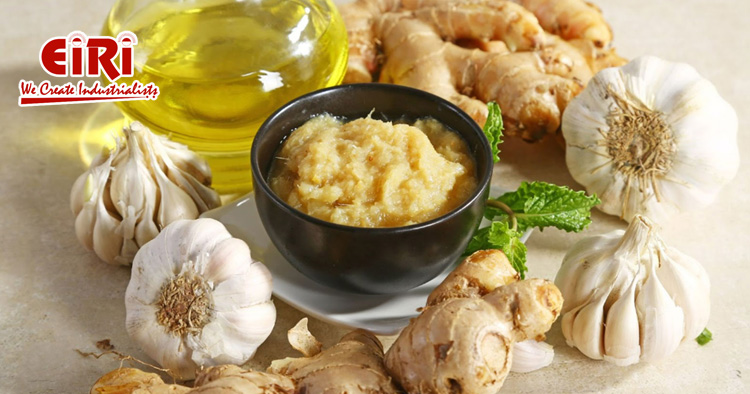
The ginger and garlic paste business is an appealing venture in the food processing industry due to the widespread use of these ingredients in culinary traditions around the world. This business not only meets the demand for convenience in cooking but also leverages the health benefits associated with ginger and garlic. Here’s a comprehensive guide to help you understand the intricacies of starting and running a successful ginger and garlic paste business.
Ginger garlic masala is a crushed blend of raw ginger and garlic cloves, often enhanced with salt during the crushing process. This mixture is a staple in Indian cuisine, frequently used in curries and vegetable dishes across many regions of India. Additionally, it finds its place in Thai and Italian cuisines. The masala not only enhances the taste and flavor of dishes but also offers numerous health benefits, particularly aiding digestion due to the properties of ginger.
Traditional and Modern Preparation Methods
Traditionally, ginger garlic paste is best prepared fresh using a grindstone to ensure maximum flavor and benefits. However, due to time constraints and the unavailability of grindstones, many people opt for modern methods, such as using a mixer-grinder appliance. Today, the convenience of ready-made ginger garlic paste available in departmental stores or groceries has gained popularity, dominating the cooking paste market.
Culinary Importance
Ginger garlic paste is a primary cooking ingredient, abundantly grown and consumed in many regions. It is a daily staple in households, enhancing a wide variety of dishes. The growing preference for instant foods, instant mixes, and spices has further increased the demand for this essential cooking paste.
Manufacturing Process
The production of ginger garlic paste involves several key steps to ensure quality and consistency:
- Washing: Fresh ginger and garlic received from farms are thoroughly cleaned using water jet pressure to remove any impurities.
- De-skinning: The cleaned ginger and garlic are then placed in a skin peeling machine to remove their outer layers.
- Crushing: The peeled ginger and garlic are crushed to form a coarse mixture.
- Pulping / Paste Making: The crushed mixture is processed in a mill or crusher, then further refined in a pulper to create a fine paste.
- Mixing of Preservatives: Preservatives are added to the paste to enhance its shelf life while maintaining its fresh taste.
- Packing: The final product is packed in stainless steel containers to ensure hygiene and quality, ready for distribution and sale.
The availability of ready-made ginger garlic paste has significantly influenced the cooking paste market. Consumers' increasing inclination towards convenience foods and instant mixes has propelled the demand for these pastes. The efficient manufacturing process ensures a steady supply of high-quality ginger garlic paste to meet this growing demand.
Ginger garlic masala is an indispensable ingredient in various cuisines, celebrated for its flavor and health benefits. The traditional and modern preparation methods cater to different consumer needs, while the efficient manufacturing process ensures the availability of high-quality paste. As consumers continue to seek convenient cooking solutions, the demand for ginger garlic paste is set to rise, maintaining its essential place in kitchens worldwide.
Market Overview
The global market for processed foods, including ginger and garlic pastes, is expanding rapidly. The rising popularity of ready-to-use cooking products among busy consumers and the growing awareness of the health benefits of ginger and garlic are key drivers of this market. These pastes are essential in households, restaurants, hotels, and catering services, making the business lucrative and sustainable.
The cooking-paste market in India is estimated to be worth Rs 55-70 crore and is experiencing a robust growth rate of 30%. Among the various segments, ginger-garlic paste stands out as a dominant player and a primary ingredient in many dishes. The paste market alone is growing by 25%, with an estimated value of around Rs 70 crore. This surge is driven by the increasing preference for ready-to-use products, as consumers, especially working professionals, seek convenient cooking solutions to manage their time efficiently. Ginger and garlic are essential commercial crops with diverse applications, making the ginger garlic paste business a lucrative opportunity for entrepreneurs.
Ginger and Garlic: Versatile Commercial Crops
Ginger and garlic are highly valued for their versatility and extensive applications. As condiments, they are used to flavor a wide range of food products such as tomato sauce, ketchup, salad dressings, meat sausages, gravies, pickles, and curry dishes. Additionally, ginger's medicinal properties, which aid digestion and have antiseptic benefits, make it a key ingredient in various pharmaceutical products. These spices are also crucial in the food processing industry, soft drinks, meat canning, confectionery, and even tobacco processing.
Export Potential
The export market for ginger and garlic products from India is significant. The total export of ginger and its products is estimated at Rs. 20,420 lakhs per annum, while garlic and its products contribute around Rs. 1,415 lakhs per annum. This highlights the substantial international demand for these versatile crops, further emphasizing the profitability of engaging in the ginger garlic paste business.
The growing demand for ready-to-cook items and the versatile applications of ginger and garlic make the ginger garlic paste business an attractive venture. With a rapidly expanding market and significant export potential, entrepreneurs have a lucrative opportunity to capitalize on this trend, catering to the needs of time-pressed consumers and tapping into the diverse uses of these essential ingredients.
Health Benefits of Ginger and Garlic
Ginger is renowned for its medicinal properties, including its ability to aid digestion, reduce nausea, and combat flu and common cold. It contains gingerol, a substance with powerful anti-inflammatory and antioxidant effects.
Garlic is equally beneficial, known for its ability to boost the immune system, reduce blood pressure, improve cholesterol levels, and have antioxidant properties that may help prevent Alzheimer’s disease and dementia. These health benefits significantly boost the demand for ginger and garlic pastes.
Business Plan
1. Market Research
Conduct thorough market research to understand the demand, competition, and consumer preferences in your target area. Identify potential customers such as households, restaurants, hotels, and food processing units.
2. Business Model
Decide whether you want to start a small-scale business catering to local markets or a large-scale business with broader distribution. Your choice will determine the scale of operations, investment required, and marketing strategies.
3. Legal Requirements
Register your business and obtain necessary licenses and permits. Ensure compliance with food safety regulations and standards set by local health departments and food safety authorities.
4. Location
Choose a suitable location for your production unit. Ensure it is spacious, well-ventilated, and equipped with basic amenities such as water supply and electricity. Proximity to raw material suppliers and target markets can reduce transportation costs.
5. Raw Materials and Suppliers
Source high-quality fresh ginger and garlic from reliable suppliers. Establish relationships with farmers or wholesalers to ensure a steady supply of raw materials. Consider the seasonal availability of these ingredients and plan accordingly.
6. Production Process
Invest in the right equipment for washing, peeling, grinding, and packaging. The basic steps in the production process include:
- Cleaning: Thoroughly wash the ginger and garlic to remove dirt and impurities.
- Peeling: Use mechanical peelers to efficiently remove the skin.
- Grinding: Grind the peeled ginger and garlic into a fine paste using commercial grinders.
- Preserving: Add natural preservatives such as vinegar or salt to enhance shelf life.
- Packaging: Pack the paste in hygienic, airtight containers to maintain freshness and prevent contamination.
7. Quality Control
Implement strict quality control measures at every stage of production to ensure the paste meets health and safety standards. Regularly test samples for consistency, taste, and shelf life.
8. Branding and Packaging
Develop attractive branding and packaging to differentiate your product from competitors. Highlight the health benefits, quality, and convenience of your ginger and garlic paste. Use eco-friendly packaging materials to appeal to environmentally conscious consumers.
9. Marketing and Sales
Create a robust marketing strategy to promote your product. Use a mix of traditional and digital marketing techniques:
- Traditional Marketing: Distribute flyers, place ads in local newspapers, and use word-of-mouth marketing.
- Digital Marketing: Use social media platforms, create a professional website, and engage with food bloggers and influencers.
- Distribution Channels: Sell directly to consumers through online platforms, supply to local grocery stores, supermarkets, and restaurants, or explore partnerships with food delivery services.
Challenges and Solutions
1. Competition
The market for ginger and garlic paste is competitive. Focus on quality, consistency, and unique selling points such as organic ingredients or innovative packaging to stand out.
2. Shelf Life
Ensuring a long shelf life without compromising quality is crucial. Use natural preservatives and invest in high-quality packaging to maintain freshness.
3. Supply Chain Management
Establish a reliable supply chain for raw materials to avoid disruptions. Develop relationships with multiple suppliers to mitigate risks associated with seasonal availability.
4. Regulatory Compliance
Stay updated with food safety regulations and ensure compliance to avoid legal issues. Regularly audit your production processes and quality control measures.
Future Prospects
The demand for convenience foods is expected to grow, driven by busy lifestyles and increasing disposable incomes. Expanding your product line to include other spice pastes or ready-to-cook products can open new revenue streams. Exploring export opportunities can also significantly boost your business.
Conclusion
Starting a ginger and garlic paste business offers immense potential given the high demand for these essential culinary ingredients. With careful planning, quality control, and effective marketing, you can establish a successful and profitable business. Embrace innovation, stay committed to quality, and continually adapt to market trends to thrive in this dynamic industry.