Cotton ginning, a crucial process in the textile industry, involves the separation of cotton fibers from their seeds. This step is essential to produce clean cotton fiber for use in textile mills, which in turn manufacture fabrics for clothing, home textiles, and other applications. Given the vast agricultural landscape in India and the global demand for cotton, starting a cotton ginning mill can be a lucrative business opportunity for entrepreneurs. This article will provide a detailed overview of setting up a cotton ginning mill, including the market potential, business requirements, operational processes, and key success factors.
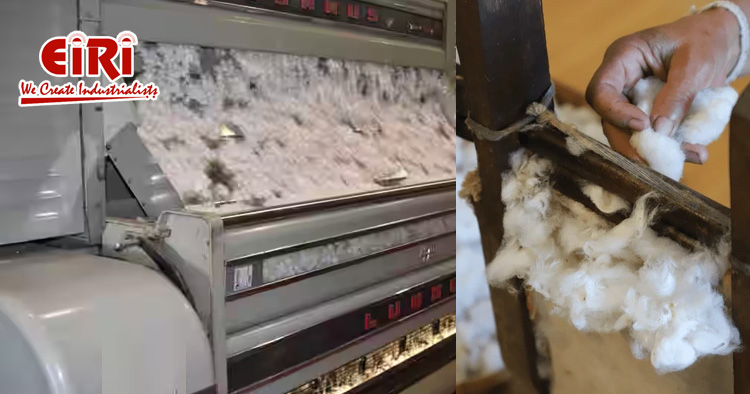
Cotton ginning is the process of removing seeds from cotton bolls to produce lint or raw cotton fiber. This lint is then baled and transported to textile mills for spinning and weaving. The cottonseeds, a byproduct of the ginning process, can be processed further to extract cottonseed oil or used in animal feed. The role of a cotton ginning mill is to efficiently and economically separate these components to maximize the value of each output.
Why Consider a Cotton Ginning Mill?
- High Demand for Cotton Products: Cotton is one of the most widely used natural fibers globally, and its demand is driven by the textile, apparel, and home furnishing sectors. With India's position as one of the largest producers and exporters of cotton, a cotton ginning mill has significant market potential.
- Government Support and Incentives: The Indian government promotes the textile sector, including cotton ginning, through various subsidies, schemes, and incentives, making it easier for new entrepreneurs to enter the market.
- Vertical Integration Opportunities: A cotton ginning mill can be the first step in a vertically integrated textile business, including spinning, weaving, dyeing, and garment production, allowing for greater control over quality and supply chain efficiency.
- Value Addition: Cotton ginning adds value to raw cotton, transforming it from a low-margin commodity to a marketable product with broader applications. The sale of by-products like cottonseed oil and animal feed also provides additional revenue streams.
Steps to Establishing a Cotton Ginning Mill
1. Conducting Market Research and Feasibility Analysis
Before starting a cotton ginning mill, thorough market research is essential to understand demand, supply, competition, and price dynamics in the cotton industry. Feasibility analysis should also cover the availability of raw materials, access to transportation and logistics, proximity to textile clusters, and potential customer base. Evaluating these factors will help in determining the most strategic location for the mill and in preparing a business plan that includes capital investment, projected revenues, costs, and profitability.
2. Selecting an Appropriate Location
Choosing the right location for a cotton ginning mill is critical to its success. The ideal location should be close to cotton-producing areas to minimize transportation costs and ensure a steady supply of raw cotton. Additionally, proximity to major transportation routes, such as highways or railways, will facilitate easy access to markets and suppliers. The availability of utilities like electricity, water, and skilled labor should also be considered while selecting the location.
3. Legal and Regulatory Requirements
Starting a cotton ginning mill involves several legal and regulatory requirements, including:
- Business Registration: Register the business as a sole proprietorship, partnership, limited liability partnership (LLP), or private limited company, depending on the scale and structure.
- Licenses and Permits: Obtain necessary licenses, such as a factory license, pollution control clearance, and any other local or state-specific permits.
- Compliance with Labor Laws: Ensure compliance with labor laws and regulations related to employee safety, wages, and working conditions.
- Tax Registration: Register for Goods and Services Tax (GST) and other relevant taxes applicable to the business.
4. Acquiring Land and Building Infrastructure
The next step involves acquiring land for the mill and setting up the necessary infrastructure. The size of the land will depend on the scale of the operation and should include space for ginning machinery, storage facilities for raw cotton and finished products, administrative offices, and employee amenities. The building should be designed to ensure smooth workflow, proper ventilation, fire safety measures, and adequate security.
5. Procuring Machinery and Equipment
The success of a cotton ginning mill largely depends on the efficiency and quality of the ginning machinery used. The primary types of ginning machines include:
- Saw Gins: Suitable for shorter-staple cotton, saw gins use circular saw blades to separate fibers from seeds.
- Roller Gins: Roller gins are ideal for longer-staple cotton, using a series of rollers and a knife to separate the fibers more gently.
Other essential equipment includes bale presses, cotton cleaning machines, dust control systems, and seed separators. Entrepreneurs should carefully evaluate different options based on factors like capacity, efficiency, maintenance requirements, and cost.
6. Setting Up Operations and Workforce Management
After installing the machinery, the next step is to set up operations, which involves hiring skilled labor, training them, and defining standard operating procedures (SOPs) for ginning, baling, quality control, and storage. Key roles in a cotton ginning mill include machine operators, quality inspectors, supervisors, and administrative staff.
Proper workforce management ensures that employees are well-trained in machine handling, safety protocols, and efficient processing techniques to maximize productivity and minimize downtime.
Financial Considerations and Investment
1. Estimating Initial Investment:
The capital investment for setting up a cotton ginning mill varies based on the scale and location of the business. Major components of the initial investment include:
- Land and Building: Cost of land purchase or lease and construction of infrastructure.
- Machinery and Equipment: Cost of ginning machines, baling presses, and other essential equipment.
- Working Capital: Funds needed for raw cotton procurement, wages, utilities, and other operational expenses.
2. Securing Financing:
Entrepreneurs can explore various funding options, including self-financing, bank loans, government grants, subsidies, and venture capital. Preparing a detailed business plan and feasibility report will be crucial for securing loans and attracting investors.
3. Managing Operating Costs:
Operating costs for a cotton ginning mill typically include raw material procurement, electricity and fuel expenses, labor costs, maintenance of machinery, transportation, and marketing. Effective cost management strategies, such as bulk purchasing of raw cotton and optimizing energy consumption, can help maintain profitability.
Marketing and Distribution Strategy
1. Identifying Target Customers:
The primary customers for a cotton ginning mill include textile mills, spinning units, and fabric manufacturers. Other potential customers are oil extraction units and animal feed manufacturers who buy cottonseeds. Building a robust network with these buyers and understanding their specific needs will help in crafting effective marketing strategies.
2. Building Relationships and Branding:
Developing strong relationships with customers, suppliers, and stakeholders is vital for long-term success. Providing high-quality cotton fiber consistently, maintaining transparency in dealings, and offering competitive pricing can help build a positive reputation in the market. Branding efforts should focus on the quality of products, sustainable practices, and efficient service delivery.
3. Utilizing Digital Marketing:
In today’s digital age, online marketing can significantly enhance visibility and reach. Creating a professional website, engaging in social media marketing, and leveraging platforms like LinkedIn and industry-specific forums can attract potential customers and partners. Additionally, participating in trade shows, exhibitions, and industry events can help build contacts and generate leads.
Challenges and Success Factors in the Cotton Ginning Business
1. Challenges:
- Fluctuating Raw Material Prices: The price of raw cotton is influenced by various factors like weather conditions, government policies, and international demand, leading to fluctuations that can affect profitability.
- Competition: The cotton ginning sector is highly competitive, with many players operating at both local and national levels. Staying ahead requires innovation, cost control, and efficient operations.
- Quality Control: Ensuring consistent quality in ginned cotton is crucial to meeting the standards of textile mills and other buyers. Any compromise in quality can lead to customer dissatisfaction and loss of business.
2. Key Success Factors:
- Efficient Operations: Adopting modern machinery, implementing lean manufacturing practices, and maintaining optimal inventory levels can improve operational efficiency.
- Focus on Quality: Investing in quality control systems, using high-quality raw cotton, and regularly maintaining machinery to prevent contamination and damage will ensure a superior product.
- Sustainability Practices: Incorporating sustainable practices, such as recycling waste and using energy-efficient technologies, can reduce costs and appeal to environmentally conscious customers.
Conclusion
Starting a cotton ginning mill can be a profitable venture, especially in a country like India, where cotton production is abundant and government support for the textile sector is strong. With proper planning, market research, efficient operations, and strategic marketing, entrepreneurs can establish a successful cotton ginning business that not only meets the growing demand for clean cotton fiber but also contributes to sustainable agricultural practices. As the industry evolves, adapting to market changes and embracing innovation will be key to long-term success in the cotton ginning business.