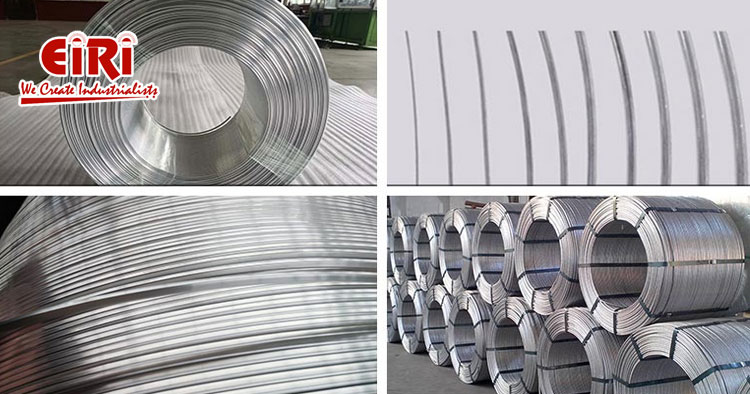
Stainless steel wire drawing is a critical process in the manufacturing of high-quality stainless steel products. The wire drawing process involves reducing the diameter of stainless steel rods or wires by pulling them through a series of dies. The resulting product is a stainless steel wire that finds application in various industries such as construction, automotive, electronics, and the medical field. This article explores the detailed manufacturing process of stainless steel wire drawing, the materials involved, the importance of precision and quality control, and the challenges faced by manufacturers.
Stainless steel is an alloy primarily composed of iron, carbon, and chromium, which gives it its characteristic corrosion resistance. This unique property, along with its strength, durability, and aesthetic appeal, makes stainless steel a popular material in manufacturing. Depending on the grade of stainless steel, other elements like nickel, molybdenum, or titanium can also be added to enhance specific properties, such as increased resistance to extreme temperatures or acids.
The versatility of stainless steel is one of the reasons it is widely used in wire form. Stainless steel wires are utilized in numerous applications, from household items like kitchen utensils and hardware to complex industrial applications such as springs, fasteners, cables, and medical equipment. The wire drawing process enables manufacturers to produce wire in various diameters, each suited to different purposes.
The Wire Drawing Process: An Overview
The stainless steel wire drawing process is a mechanical operation that reduces the cross-sectional diameter of a wire by pulling it through a die. Each die progressively reduces the wire diameter until the desired thickness is achieved. This process can be carried out in multiple stages to avoid excessive stress on the wire, which could lead to breakage or imperfections.
The wire drawing process begins with a rod or wire of stainless steel. This rod is carefully prepared and inspected to ensure it is free from surface defects, such as cracks or impurities. The wire is then cleaned and coated with a lubricant that will facilitate the drawing process, reducing friction between the wire and the die.
Once the wire is prepared, it is drawn through a series of dies. The dies are typically made from tungsten carbide or diamond, materials known for their extreme hardness and resistance to wear. The wire is pulled through the dies using a pulling mechanism, usually a capstan or block, which exerts the necessary force to reduce the wire’s diameter.
As the wire passes through each die, its diameter is reduced incrementally. The process requires careful control to ensure that the wire maintains its desired properties, including tensile strength and ductility. The drawn wire is then spooled onto a reel for further processing or packaging.
Key Stages in the Stainless Steel Wire Drawing Process
- Raw Material Selection and Preparation: The wire drawing process begins with the selection of high-quality stainless steel rods or wires. These materials must meet specific standards in terms of chemical composition, mechanical properties, and surface quality. Before wire drawing, the raw material undergoes cleaning to remove any dirt, grease, or oxide layers that could affect the drawing process.
- Annealing: Depending on the desired properties of the finished wire, annealing may be carried out before or after the wire drawing process. Annealing is a heat treatment process that involves heating the stainless steel wire to a high temperature and then cooling it. This process relieves internal stresses, increases ductility, and softens the wire, making it easier to draw through the dies.
- Drawing Lubrication: Lubrication is a critical aspect of the wire drawing process. A lubricant is applied to the wire to minimize friction between the wire and the dies. Commonly used lubricants in stainless steel wire drawing include soap-based compounds, oil, or water-soluble lubricants. Proper lubrication helps reduce wear on the dies and prevents overheating, which can negatively affect the wire’s quality.
- Multi-stage Drawing: In many cases, stainless steel wire drawing is a multi-stage process where the wire is passed through several dies in succession. Each die reduces the wire's diameter incrementally to achieve the desired thickness. This gradual reduction helps prevent the wire from fracturing or developing defects due to excessive deformation in a single pass.
- Final Treatments and Coating: After the drawing process, the wire may undergo further treatments depending on its end-use application. For example, some wires require additional annealing to enhance ductility or strength. In certain cases, a surface coating, such as zinc or copper, may be applied to the stainless steel wire to provide additional corrosion protection or conductivity.
- Quality Control and Testing: Throughout the wire drawing process, quality control measures are essential to ensure the final product meets the required specifications. Testing is conducted at various stages to measure the wire’s tensile strength, elongation, surface finish, and dimensional accuracy. Non-destructive testing techniques such as ultrasonic or eddy current testing may also be used to detect internal defects or surface irregularities.
Advantages of the Stainless Steel Wire Drawing Process
The wire drawing process offers several advantages for the production of stainless steel wires. First, it allows manufacturers to produce wires with precise diameters, which is essential for applications where accuracy is critical, such as in medical devices or electronics. The process also improves the mechanical properties of the wire, enhancing its strength and resistance to breaking.
Additionally, wire drawing is a cost-effective manufacturing method. The incremental reduction in diameter reduces material waste, and the continuous drawing process enables high production rates, making it an efficient method for producing large quantities of stainless steel wire. The process also allows for customization, as manufacturers can produce wires of varying diameters and properties based on customer requirements.
Applications of Stainless Steel Wire
Stainless steel wires produced through the wire drawing process have a wide range of applications across different industries. In the construction industry, stainless steel wires are used in reinforcing structures, fencing, and balustrades. The corrosion resistance of stainless steel makes it ideal for outdoor applications where exposure to moisture or chemicals is a concern.
In the automotive industry, stainless steel wires are used in various components, including springs, cables, and fasteners. The high strength and durability of stainless steel ensure that these components can withstand the mechanical stresses experienced in automotive applications.
The electronics industry also relies on stainless steel wire for the production of electrical conductors, connectors, and components. The fine precision achievable through wire drawing makes it possible to produce wires with the necessary conductivity and strength for use in electronic devices.
The medical field is another area where stainless steel wires are essential. They are used in the production of surgical instruments, orthodontic appliances, and medical implants. The biocompatibility and corrosion resistance of stainless steel make it an ideal material for medical applications.
Challenges in Stainless Steel Wire Drawing Manufacturing
While stainless steel wire drawing offers numerous advantages, the process is not without its challenges. One of the primary challenges is maintaining the quality of the wire throughout the process. Any imperfections in the raw material or during the drawing process can lead to defects in the finished wire, affecting its strength or surface quality. Therefore, strict quality control measures are necessary to minimize these issues.
Another challenge is dealing with the inherent properties of stainless steel. Stainless steel is harder and more difficult to work with than other metals, which means the drawing process requires more force and more wear-resistant dies. The high hardness of stainless steel can lead to quicker die wear, requiring more frequent replacement or maintenance of the drawing tools. Additionally, controlling the heat generated during the drawing process is crucial, as excessive heat can affect the wire’s properties or cause surface defects.
Furthermore, environmental considerations play a role in stainless steel wire drawing manufacturing. The use of lubricants and coolants during the drawing process can generate waste that must be properly managed to prevent environmental contamination. Manufacturers are increasingly looking for eco-friendly lubricants and cooling systems to reduce the environmental impact of the wire drawing process.
The Future of Stainless Steel Wire Drawing Manufacturing
As demand for stainless steel products continues to grow, the stainless steel wire drawing industry is expected to see continued innovation and expansion. Advances in technology, including improved die materials and automation, are likely to make the wire drawing process more efficient and cost-effective.
Sustainability is also becoming an increasingly important consideration in manufacturing. As the industry looks to reduce its environmental footprint, new processes and materials will likely be developed to minimize waste and energy consumption. Recycling and reusing materials within the production process are also becoming more prevalent in the industry.
The demand for stainless steel wire in emerging markets such as renewable energy, electric vehicles, and advanced medical technologies is expected to drive further growth in the industry. Manufacturers that can adapt to these evolving demands while maintaining high-quality standards will be well-positioned for success in the future.
Conclusion
Stainless steel wire drawing is a specialized manufacturing process that plays a vital role in producing high-quality stainless steel wires for a variety of industries. From the selection of raw materials to the final stages of quality control, each step in the process must be carefully managed to ensure the finished product meets stringent standards. While challenges such as maintaining purity, controlling costs, and addressing environmental concerns remain, advancements in technology and process optimization continue to improve efficiency and output. As demand for stainless steel wire grows, particularly in new and emerging industries, wire drawing will remain a crucial manufacturing process that enables the production of versatile, durable, and corrosion-resistant stainless steel wires.