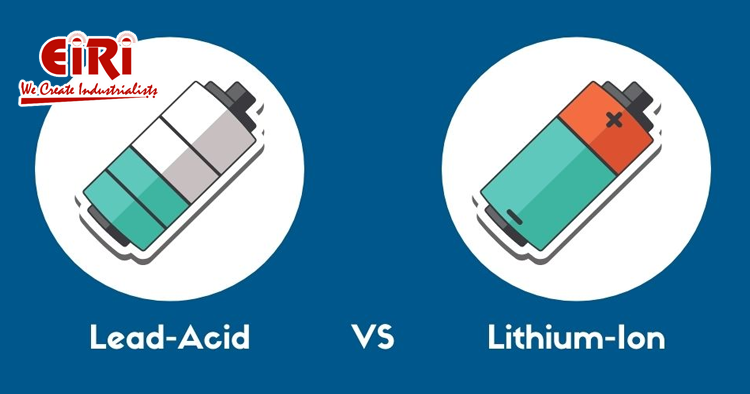
Batteries play a crucial role in our modern world, powering a wide range of devices and systems that have become an integral part of our daily lives. Among the various types of batteries, lithium-ion (Li-ion) and lead-acid batteries have emerged as prominent choices for numerous applications due to their unique characteristics and capabilities.
Lithium-ion batteries are known for their high energy density, lightweight design, and long cycle life. They have become the preferred choice for portable electronic devices like smartphones, laptops, and tablets. Moreover, they are increasingly being used in electric vehicles (EVs) and renewable energy storage systems due to their ability to deliver high power output and store energy efficiently.
On the other hand, lead-acid batteries have a longer history and have been widely used in automotive applications and uninterruptible power supply (UPS) systems. These batteries are known for their robustness, cost-effectiveness, and ability to deliver high currents, making them suitable for applications that require reliable power backup.
Both lithium-ion and lead-acid batteries have their unique advantages and limitations, and understanding their characteristics is essential for making informed decisions regarding their use in various applications.
In this comprehensive handbook, we delve into the world of lithium-ion and lead-acid batteries, providing valuable insights into their composition, working principles, manufacturing processes, and applications across industries. Whether you are a technology enthusiast, a researcher, or a professional working in the energy storage field, this handbook will serve as an essential resource to enhance your understanding of these battery technologies.
| Complete Technology Hand Book On Lithium Ion And Lead-Acid Batteries Manufacturing And Its Recycling CLICK HERE to BUY |

By diving into the world of lithium-ion and lead-acid batteries, you will gain a deeper appreciation for the technologies that are revolutionizing the way we power our lives. Whether you are a beginner seeking fundamental knowledge or an industry professional looking for the latest insights, this comprehensive handbook will serve as your guide to unlocking the vast potential of these battery technologies.
Stay tuned for our upcoming chapters where we delve deeper into the fascinating world of lithium-ion and lead-acid batteries and explore their applications, manufacturing processes, market trends, and future prospects.
Remember, the future is powered by batteries, and with our comprehensive handbook, you can be at the forefront of this power revolution.
Understanding the basics of battery technology
Batteries are ubiquitous in our modern world, powering a wide range of devices and systems that we rely on daily. From smartphones and laptops to electric vehicles and renewable energy storage, batteries play a crucial role in enabling portable and sustainable power solutions. To truly appreciate the advancements in battery technology, it is essential to understand the basics of how batteries work and the underlying principles that drive their functionality.
At their core, batteries are electrochemical devices that convert chemical energy into electrical energy through a process called electrochemical reactions. They consist of one or more electrochemical cells, each containing positive and negative electrodes immersed in an electrolyte solution.
The key components of a battery include:
- Electrodes: The positive and negative electrodes, also known as the cathode and anode, respectively, are typically made of different materials. During the charging process, ions from the cathode move through the electrolyte and become intercalated or react with the anode, storing energy. During discharge, the ions move back to the cathode, releasing stored energy.
- Electrolyte: The electrolyte acts as a medium for ion transport between the electrodes. It can be a liquid, gel, or solid, depending on the type of battery. The electrolyte allows the flow of ions while preventing the flow of electrons, creating a potential difference between the electrodes.
- Separator: The separator is a porous material that physically separates the cathode and anode to prevent direct contact. It allows the movement of ions while preventing short circuits caused by the direct contact of electrodes.
- Current Collectors: The current collectors facilitate the flow of electrons in and out of the battery. They are typically made of conductive materials such as copper or aluminum and are connected to the electrodes.
Batteries can be broadly categorized into primary and secondary batteries. Primary batteries are non-rechargeable and have a limited lifespan, while secondary batteries are rechargeable and can be used multiple times.
The advancements in battery technology have led to the development of various types of batteries, each with its unique characteristics and applications.
Some of the commonly used battery chemistries include:
- Lithium-ion (Li-ion) Batteries: Li-ion batteries are widely used in portable electronic devices, electric vehicles, and renewable energy storage systems. They offer high energy density, lightweight design, and long cycle life. Li-ion batteries utilize lithium ions as the primary charge carriers between the electrodes.
- Lead-Acid Batteries: Lead-acid batteries have been in use for several decades and are commonly found in automotive applications and uninterruptible power supply (UPS) systems. They are known for their reliability, cost-effectiveness, and ability to deliver high currents.
- Nickel-Metal Hydride (NiMH) Batteries: NiMH batteries have been widely used in applications such as hybrid electric vehicles and portable electronics. They offer a higher energy density compared to lead-acid batteries and have a longer cycle life than some primary battery chemistries.
- Solid-State Batteries: Solid-state batteries are a promising technology that utilizes solid electrolytes instead of liquid or gel-based electrolytes. They offer advantages such as improved safety, higher energy density, and faster charging rates.
Understanding the basics of battery technology is crucial for making informed decisions regarding their use in various applications. Factors such as energy density, cycle life, cost, safety, and environmental impact play significant roles in selecting the appropriate battery chemistry for a specific application.
As technology continues to advance, researchers and scientists are exploring new battery chemistries, such as lithium-sulfur and lithium-air, to overcome existing limitations and improve performance. Additionally, efforts are underway to enhance battery recycling and develop more sustainable and eco-friendly battery solutions.
Powering the electric vehicle revolution
The world is undergoing a significant shift towards sustainable transportation, and at the forefront of this revolution are electric vehicles (EVs). With concerns over climate change and the need to reduce greenhouse gas emissions, EVs have emerged as a promising solution to decarbonize the transportation sector. As we embrace the electric vehicle revolution, it is crucial to understand the key factors driving this transition and the implications it holds for the future.
Environmental Benefits:
One of the primary drivers of the electric vehicle revolution is the environmental benefits they offer. Unlike traditional internal combustion engine vehicles that rely on fossil fuels, EVs are powered by electricity. This results in lower or zero tailpipe emissions, reducing air pollution and greenhouse gas emissions. By transitioning to EVs, we can significantly decrease our carbon footprint and contribute to cleaner air and a healthier planet.
Technological Advancements:
Rapid advancements in battery technology have been instrumental in driving the growth of electric vehicles. Lithium-ion batteries, which power most EVs, have seen significant improvements in terms of energy density, charging speed, and cost reduction. These advancements have increased the driving range of EVs, making them more practical and comparable to conventional vehicles. Additionally, ongoing research and development efforts are focused on enhancing battery performance, longevity, and recyclability.
Government Support and Policies:
Governments around the world are implementing supportive policies and incentives to accelerate the adoption of electric vehicles. Measures such as financial incentives, tax credits, and subsidies make EVs more affordable for consumers. Additionally, regulatory frameworks are being established to set emissions standards and encourage automakers to invest in electric vehicle production. Such government support is crucial in creating a favorable market environment and driving the growth of the electric vehicle industry.
Charging Infrastructure:
The availability of a robust charging infrastructure is essential for the widespread adoption of electric vehicles. Governments, businesses, and utility companies are investing in the installation of charging stations in public places, commercial buildings, and residential areas. The development of fast-charging technologies is also reducing charging times, addressing one of the key concerns for potential EV owners. As the charging infrastructure continues to expand, range anxiety diminishes, and consumer confidence in EVs grows.
Cost Savings and Efficiency:
While the upfront cost of electric vehicles may be higher than traditional vehicles, EV owners can enjoy long-term cost savings. Electric vehicles have lower operating and maintenance costs due to fewer moving parts, no need for oil changes, and reduced reliance on expensive gasoline. Additionally, the cost of electricity is often lower than gasoline, resulting in lower fuel costs for EV owners. With ongoing advancements in technology and economies of scale, the cost of electric vehicles is expected to decrease further, making them more accessible to a broader range of consumers.
Job Creation and Economic Growth:
The electric vehicle revolution presents significant opportunities for job creation and economic growth. The transition to electric vehicles requires the development and production of batteries, electric motors, and other EV components, leading to the establishment of new manufacturing facilities and the expansion of existing ones. The demand for skilled professionals in areas such as battery technology, electric vehicle engineering, and charging infrastructure installation is on the rise. This growth in the electric vehicle industry contributes to local economies and creates new employment opportunities.
The electric vehicle revolution is reshaping the automotive industry and paving the way for a more sustainable future. As more automakers introduce electric vehicle models and countries commit to phasing out internal combustion engine vehicles, the market for electric vehicles is expected to grow exponentially. The electrification of transportation not only reduces our dependence on fossil fuels but also opens doors to innovation, technological advancements, and a greener future.
What is the Future Growth and Market Forecast of Lithium-Ion and Lead-Acid Batteries
The global demand for energy storage solutions, driven by the need for renewable energy integration, electric vehicles, and grid stability, has fueled the growth of the lithium-ion and lead-acid battery markets. These battery technologies have proven to be reliable and versatile, and their future growth prospects are promising.
Lithium-Ion Batteries:
Lithium-ion batteries have emerged as the leading technology in portable electronics, electric vehicles, and renewable energy storage systems. The demand for lithium-ion batteries is expected to continue its upward trajectory due to several factors.
Electric Vehicles (EVs): The increasing adoption of electric vehicles worldwide is a major driver for the growth of the lithium-ion battery market. Governments and regulatory bodies are implementing policies to reduce carbon emissions and promote sustainable transportation, which has led to a surge in demand for EVs. Lithium-ion batteries offer high energy density, longer driving ranges, and faster charging capabilities, making them ideal for electric vehicle applications.
Renewable Energy Storage: The integration of renewable energy sources like solar and wind power into the grid requires efficient energy storage solutions. Lithium-ion batteries are well-suited for storing excess energy generated from renewable sources and delivering it when needed. This enables a more reliable and stable grid infrastructure, promoting the further adoption of renewable energy technologies.
Consumer Electronics: The demand for smartphones, laptops, tablets, and other portable electronic devices continues to grow. Lithium-ion batteries are the preferred choice due to their high energy density, lightweight design, and longer runtime. As the consumer electronics market expands, so does the demand for lithium-ion batteries.
Advancements in Technology: Ongoing research and development efforts are focused on improving the performance and safety of lithium-ion batteries. Innovations in electrode materials, electrolytes, and cell designs are expected to enhance energy storage capacity, increase battery lifespan, and reduce costs. These advancements will further drive the growth of the lithium-ion battery market.
Lead-Acid Batteries:
Lead-acid batteries have been a reliable energy storage solution for decades, and they continue to play a significant role in various industries. While their growth rate may be moderate compared to lithium-ion batteries, lead-acid batteries still hold considerable market potential.
Automotive Applications: Lead-acid batteries are widely used in automotive applications, including traditional internal combustion engine vehicles, hybrid electric vehicles, and start-stop systems. As the automotive industry undergoes a transition towards electrification, lead-acid batteries will continue to be utilized, particularly in cost-sensitive applications.
Industrial and Commercial Use: Lead-acid batteries are extensively used in industrial and commercial sectors for backup power applications, uninterruptible power supply (UPS) systems, and forklifts. These batteries offer reliable and cost-effective energy storage solutions for critical operations, making them a preferred choice in these sectors.
Recycling and Sustainability: The lead-acid battery industry has made significant advancements in recycling technologies and sustainable practices. The majority of lead-acid batteries are recycled, with the lead and other materials recovered for reuse. This emphasis on recycling and sustainability contributes to the long-term viability of the lead-acid battery market.
Market Forecast:
The global lithium-ion and lead-acid battery markets are expected to witness substantial growth in the coming years. According to market research reports, the lithium-ion battery market is projected to experience a compound annual growth rate (CAGR) of over 16% between 2021 and 2026. The lead-acid battery market, although more mature, is expected to grow at a CAGR of around 4% during the same period.
The growth of both markets is driven by factors such as increasing demand for electric vehicles, the need for energy storage in renewable energy systems, advancements in battery technologies
Opportunities and Challenges in the Lithium-Ion and Lead-Acid Batteries Industry
The lithium-ion and lead-acid batteries industry presents both exciting opportunities and unique challenges as it continues to evolve and meet the growing demand for energy storage solutions. Understanding these opportunities and challenges is crucial for businesses and stakeholders operating in this industry.
Opportunities:
- Growing Demand for Electric Vehicles (EVs): The rapid expansion of the electric vehicle market provides a significant opportunity for the lithium-ion battery industry. As governments worldwide implement stricter emissions regulations and incentivize EV adoption, the demand for lithium-ion batteries used in electric vehicles is expected to surge. This presents an opportunity for battery manufacturers to scale up production and meet the increasing demand.
- Renewable Energy Integration: The transition towards renewable energy sources requires effective energy storage solutions. Lithium-ion batteries play a vital role in storing and delivering renewable energy, enabling grid stability and facilitating the integration of solar and wind power into the electricity grid. With the continued expansion of renewable energy installations, there is a growing opportunity for lithium-ion battery manufacturers to provide storage solutions that support the renewable energy sector.
- Advancements in Battery Technology: Ongoing research and development efforts are focused on improving battery performance, safety, and energy density. Innovations in electrode materials, electrolytes, and cell designs have the potential to enhance the capabilities of lithium-ion and lead-acid batteries, such as longer lifespans, faster charging rates, and increased energy storage capacities. These advancements open up opportunities for manufacturers to develop and commercialize new and improved battery technologies.
- Energy Storage Systems: The need for energy storage systems, both on a grid-scale and at the consumer level, is increasing. Energy storage systems help balance supply and demand, improve grid stability, and provide backup power during outages. Lithium-ion and lead-acid batteries can serve as effective energy storage solutions, presenting opportunities for businesses to provide integrated storage systems and services.
Challenges:
- Cost and Affordability: While the cost of lithium-ion batteries has been declining over the years, it remains a significant factor that affects their widespread adoption. High production costs and limited economies of scale can make lithium-ion batteries relatively expensive, especially for large-scale applications such as grid-level energy storage. Addressing cost challenges and improving the affordability of batteries will be crucial to further drive their adoption.
- Supply Chain Constraints: The lithium-ion battery industry relies on the availability of key raw materials such as lithium, cobalt, and nickel. Ensuring a stable and sustainable supply of these materials can be challenging due to geopolitical factors, resource limitations, and environmental concerns associated with their extraction. Developing strategies for responsible sourcing and diversifying the supply chain will be essential to mitigate supply chain risks.
- Safety Concerns: The safety of lithium-ion batteries, especially in high-energy applications like electric vehicles, is a critical concern. Battery failures leading to thermal runaway and fires can have severe consequences. Battery manufacturers and stakeholders need to invest in robust safety measures, such as advanced battery management systems and thermal management technologies, to address these safety challenges effectively.
- Environmental Impact and Recycling: The disposal and recycling of lithium-ion and lead-acid batteries present environmental challenges. The improper disposal of batteries can lead to pollution and the release of hazardous materials. Promoting responsible battery recycling and implementing effective recycling infrastructures is necessary to minimize the environmental impact of battery waste and maximize the recovery of valuable materials.
- Regulatory Landscape: The lithium-ion and lead-acid battery industry operates within a complex regulatory framework. Compliance with regulations related to safety, performance, transportation, and environmental standards is essential. Keeping up with evolving regulations and ensuring compliance can be challenging for businesses operating in multiple jurisdictions.
Navigating the opportunities and challenges in the lithium-ion and lead-acid batteries industry requires a proactive approach, innovation, collaboration, and a focus on sustainability. Continued investments in research and development, advancements in battery technology, improved manufacturing processes, and effective recycling and waste management practices will be key to driving the industry forward.
Conclusion:
The lithium-ion and lead-acid batteries industry is poised for significant growth and transformation as it continues to play a crucial role in powering our modern world. With the rising demand for electric vehicles, integration of renewable energy sources, and the need for effective energy storage solutions, the industry is presented with abundant opportunities.
Advancements in battery technology, such as improvements in energy density, safety features, and charging capabilities, are driving innovation and opening new possibilities. However, challenges related to cost, supply chain constraints, safety concerns, environmental impact, and regulatory compliance must be addressed to fully capitalize on the potential of these batteries.
To navigate these opportunities and challenges successfully, industry stakeholders must prioritize collaboration, research, and development efforts. Investments in sustainable manufacturing practices, responsible sourcing of raw materials, and efficient recycling and waste management systems are crucial to ensure the long-term viability of the industry.
As we move towards a greener and more sustainable future, the lithium-ion and lead-acid batteries industry will continue to play a vital role in enabling the transition to cleaner energy sources and powering the electrification of various sectors. By embracing technological advancements, fostering innovation, and addressing the environmental and regulatory aspects, the industry can further enhance its contribution to a more sustainable and energy-efficient world.
With comprehensive knowledge and understanding of the lithium-ion and lead-acid batteries industry, entrepreneurs, businesses, and policymakers can make informed decisions and drive positive change. The future of this industry holds immense potential, and by leveraging opportunities, addressing challenges, and adopting sustainable practices, we can collectively power the future and create a cleaner, more resilient world for generations to come.