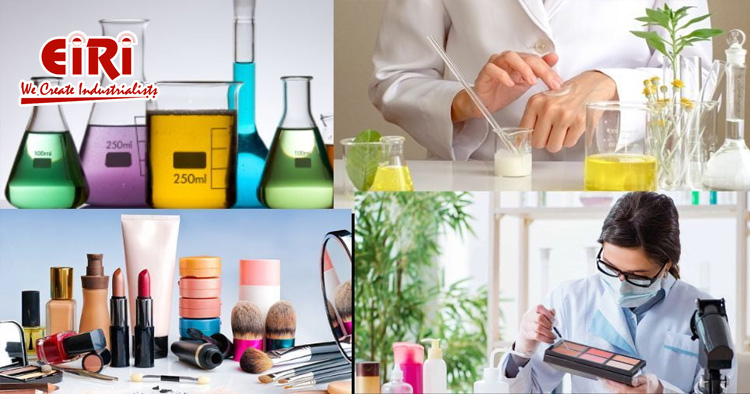
The personal care and cosmetics industry is a booming sector, driven by the growing demand for skincare, haircare, and wellness products. At the heart of this industry lies the chemical manufacturing segment, which provides the ingredients essential for these products. From emulsifiers to fragrances, these chemicals play a crucial role in defining the quality, safety, and efficacy of personal care items. This article explores the potential of starting a personal care and cosmetic chemicals manufacturing business, covering market trends, key ingredients, challenges, and opportunities.
Industry Overview
The global personal care and cosmetics market is expanding rapidly, valued at over $450 billion in 2022 and expected to grow at a compound annual growth rate (CAGR) of 5-6% through 2030. This growth is fueled by factors such as rising consumer awareness about grooming, the popularity of natural and organic products, and increasing disposable incomes, particularly in emerging markets like Asia-Pacific.
Chemical manufacturers supplying this industry have a significant role in shaping trends. Ingredients like surfactants, preservatives, and active compounds are crucial for product performance. The demand for innovative, sustainable, and safe chemicals is creating new opportunities for businesses in this space.
Key Ingredients in Personal Care and Cosmetic Chemicals
Surfactants
Surfactants are essential for cleaning and foaming products like shampoos, body washes, and facial cleansers. Popular surfactants include sodium lauryl sulfate (SLS) and sodium laureth sulfate (SLES). In recent years, natural alternatives such as coconut-based surfactants have gained traction.
Emulsifiers
Emulsifiers stabilize mixtures of oil and water, making them crucial for creams, lotions, and sunscreens. Examples include cetearyl alcohol and polysorbates.
Preservatives
Preservatives like parabens and phenoxyethanol prevent microbial growth and extend shelf life. However, there is a rising demand for natural preservatives such as grapefruit seed extract.
Active Ingredients
Active compounds like retinoids, hyaluronic acid, and peptides are used in anti-aging and skincare products. These ingredients cater to specific consumer needs, such as reducing wrinkles or hydrating the skin.
Fragrances and Colorants
Synthetic and natural fragrances, as well as colorants like mica and iron oxides, enhance product appeal. Sustainable and allergen-free options are becoming increasingly popular.
Market Trends and Opportunities
Natural and Organic Ingredients
Consumers are gravitating towards products with clean labels, free from synthetic chemicals and harmful additives. This trend opens avenues for manufacturing plant-based surfactants, essential oils, and bioactive compounds.
Sustainability Initiatives
Sustainable production processes and biodegradable chemicals are gaining importance. Manufacturers investing in eco-friendly alternatives, such as green solvents and biodegradable polymers, can capitalize on this trend.
Customization and Innovation
Brands are increasingly looking for unique formulations to differentiate their products. Chemical manufacturers offering customized solutions and innovative compounds can forge strong partnerships with cosmetic companies.
E-commerce Growth
The rise of e-commerce platforms for personal care products has increased demand for innovative chemicals that enhance product longevity and performance during storage and transport.
Regulatory Compliance and Certifications
Chemicals meeting global safety standards, such as ISO certifications and FDA approvals, are preferred by brands seeking to expand internationally.
Steps to Establish a Personal Care and Cosmetic Chemicals Manufacturing Business
- Market Research and Feasibility Study: Conduct detailed research to identify high-demand chemicals in your target market. Analyze trends, potential clients, and competitors to define your niche.
- Infrastructure and Equipment: Set up a manufacturing facility with proper equipment for chemical synthesis, mixing, and quality testing. Ensure compliance with safety and environmental regulations.
- Raw Material Sourcing: Partner with reliable suppliers for quality raw materials like oils, surfactants, and preservatives. Opt for sustainable and certified sources whenever possible.
- Product Development: Collaborate with formulation experts and chemists to create innovative, safe, and high-performance ingredients. Focus on trends like anti-aging actives, natural emulsifiers, and allergen-free preservatives.
- Regulatory Approvals: Obtain necessary certifications and comply with regulations such as REACH (Europe), FDA (USA), and BIS (India). This ensures your products meet safety and environmental standards.
- Marketing and Partnerships: Build relationships with cosmetic brands and product developers. Leverage digital platforms to showcase your portfolio and expertise. Highlight your focus on sustainability and innovation.
Challenges in the Industry
High R&D Costs
Developing innovative and high-quality chemicals requires significant investment in research and development.
Regulatory Hurdles
Strict regulations on chemical usage and environmental impact can pose challenges for manufacturers, especially in markets like the EU and USA.
Raw Material Availability
Fluctuations in raw material prices and supply chain disruptions can affect production costs and timelines.
Competition
The industry is highly competitive, with established players dominating the market. Differentiation through innovation and sustainability is crucial.
Future Outlook
The personal care and cosmetics industry is poised for robust growth, creating vast opportunities for chemical manufacturers. Key growth areas include:
- Bio-Based Ingredients: The shift towards bio-based and sustainable chemicals is likely to dominate the industry.
- Global Expansion: Emerging markets like India, China, and Brazil offer untapped potential for growth.
- Technology Integration: Smart manufacturing, AI-driven formulation, and data analytics will redefine the industry, enabling faster innovation and cost optimization.
Conclusion
Starting a personal care and cosmetic chemicals manufacturing business is a promising venture in today’s dynamic market. By focusing on sustainability, innovation, and customization, businesses can tap into the growing demand for high-quality ingredients. While challenges like regulatory compliance and competition exist, the industry's vast potential for growth makes it an attractive option for entrepreneurs willing to invest in quality and innovation.