Peanut butter, with its creamy texture and rich flavor, has secured its place as a beloved staple in pantries around the world. As consumer demand for wholesome and flavorful spreads continues to rise, the peanut butter manufacturing industry presents an enticing business opportunity for entrepreneurs keen on delving into the food production sector.
Producing oil, butter, flour, confections, and snack foods from peanuts, a ubiquitous crop, is economically viable worldwide. Peanut butter, the most renowned culinary spread, is crafted by crushing and dry roasting peanuts. It serves as a high-energy meal and often substitutes for butter, especially in dairy-free diets. Additionally, it boasts unsaturated fats, proteins, fiber, and a spectrum of minerals including magnesium, zinc, potassium, and vitamin E.
The global surge in health consciousness significantly propels market expansion. The escalating trend towards healthier lifestyles and the surging demand for high-protein food products among the younger demographic, particularly millennials, are key drivers of the global peanut butter market. Conversely, as consumers grow more health-conscious amidst the rise in chronic ailments like high blood pressure and heart disease, fresh avenues for the peanut butter industry emerge. The popularity of quick meals and evolving lifestyles further catalyze the industry's global advancement.
In recent years, the peanut butter market has witnessed remarkable growth, fueled by shifting consumer preferences towards healthier and more nutritious food options. As individuals become increasingly mindful of their dietary choices and seek alternatives to traditional spreads like butter, peanut butter emerges as a versatile and wholesome option.
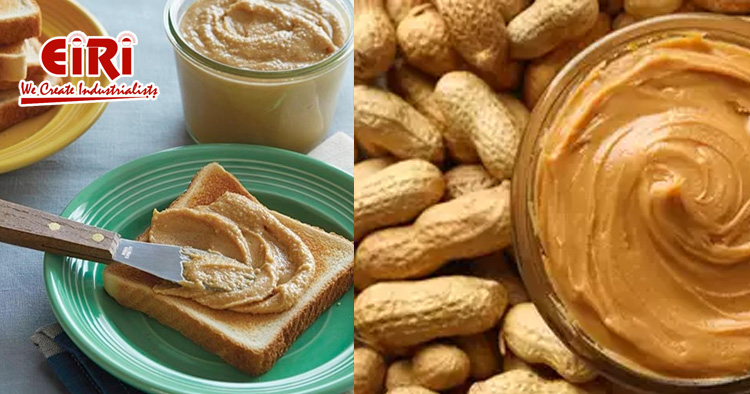
Furthermore, the growing awareness of the nutritional benefits offered by peanut butter, including its high protein content, healthy fats, and essential vitamins and minerals, contributes to its popularity among health-conscious consumers. Peanut butter is perceived as a convenient and satisfying snack or meal component that can be enjoyed in various forms, from spread on toast to blended into smoothies or used as a dip for fruits and vegetables.
Moreover, the versatility of peanut butter extends beyond its culinary applications, with manufacturers innovating to introduce new product variations such as flavored peanut butters, organic and natural formulations, and convenient on-the-go snack packs. These innovations cater to diverse consumer preferences and lifestyles, further driving market growth and expansion.
As the demand for peanut butter continues to rise, manufacturers are investing in research and development to enhance product quality, nutritional profiles, and sustainability. Additionally, strategic marketing initiatives and partnerships with retailers and foodservice establishments are helping to expand distribution channels and reach new consumer segments.
The global peanut butter market was valued at USD 6.05 billion in 2022 and is forecasted to reach USD 10.92 billion by 2031, with a CAGR of 6.78% from 2023 to 2031.
The global peanut butter market is poised for continued growth, driven by factors such as increasing health consciousness, shifting consumer preferences, and product innovation. As demand for nutritious and convenient food options continues to rise, peanut butter remains a beloved and versatile choice for consumers seeking wholesome and satisfying culinary experiences.
The Rise of Peanut Butter:
Peanut butter's popularity spans decades, evolving from a humble sandwich filling to a versatile ingredient in both sweet and savory dishes. Its appeal lies in its creamy consistency, nutty taste, and nutritional value, making it a favorite among health-conscious consumers seeking protein-rich, plant-based alternatives.
Key Components of Peanut Butter Manufacturing:
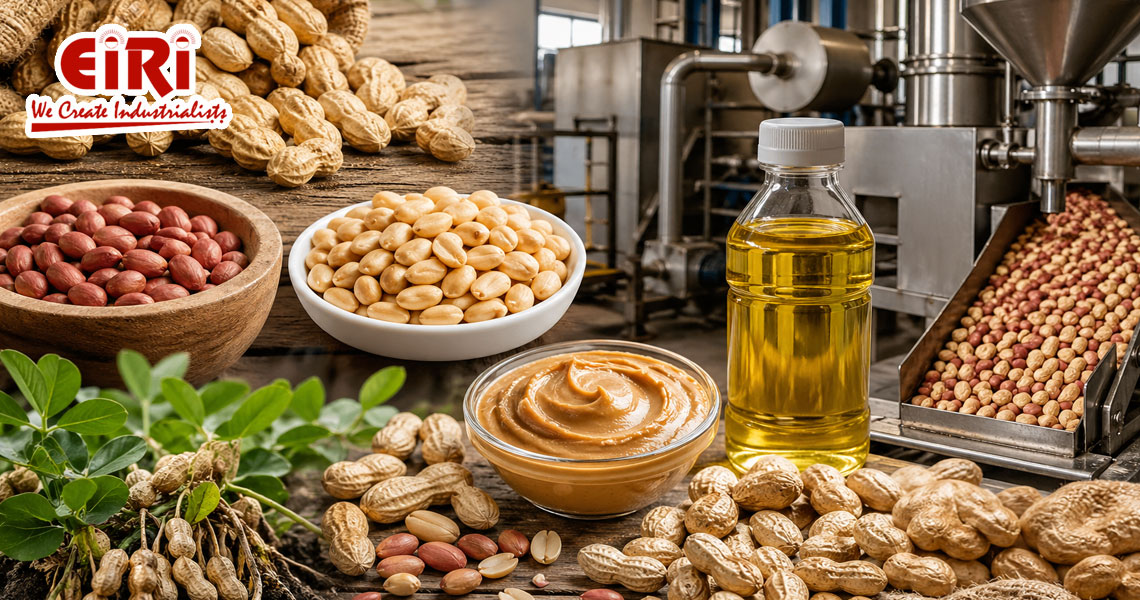
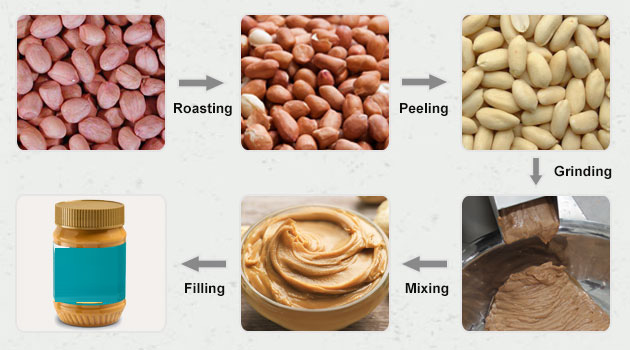
- Peanut Selection and Preparation: The manufacturing process begins with the careful selection of high-quality peanuts. Peanuts are sorted, cleaned, and roasted to develop their characteristic flavor profile. Roasting also helps remove excess moisture and enhances the peanuts' natural oils, crucial for achieving the desired creamy texture in peanut butter.
- Grinding and Blending: Roasted peanuts are then ground into a smooth paste using specialized equipment such as industrial grinders or mills. Depending on the desired consistency, the ground peanuts may undergo additional blending with ingredients like salt, sugar, and stabilizers to achieve the perfect balance of flavor and texture.
- Packaging and Distribution: Once the peanut butter is blended to perfection, it is carefully packaged into jars, tubs, or squeeze packs, ready for distribution to retailers, wholesalers, or direct-to-consumer channels. Efficient packaging solutions ensure product freshness and shelf stability while meeting regulatory requirements for food safety and labeling.
Innovations Driving Peanut Butter Manufacturing:
The peanut butter manufacturing industry is not immune to innovation, with manufacturers continuously exploring new techniques and ingredients to meet evolving consumer preferences:
- Natural and Organic Varieties: With growing consumer demand for natural and organic products, peanut butter manufacturers are increasingly offering organic and all-natural varieties made from non-GMO peanuts and minimal additives.
- Flavor Infusions: To cater to adventurous taste buds, manufacturers are experimenting with flavor infusions such as honey, chocolate, cinnamon, and even spicy chili, adding a unique twist to traditional peanut butter offerings.
- Health-Conscious Formulations: With an emphasis on health and wellness, peanut butter manufacturers are developing low-sugar, high-protein, and allergen-free formulations to cater to consumers with dietary restrictions and preferences.
- Sustainable Practices: As sustainability becomes a focal point for consumers, peanut butter manufacturers are adopting eco-friendly practices such as responsible sourcing, energy-efficient production methods, and recyclable packaging to reduce environmental impact.
Peanut Butter Market Growth Drivers
The global peanut butter market is propelled by a combination of economic, social, and health-related factors. As disposable incomes rise and awareness of health benefits increases, consumers are increasingly drawn towards convenient, nutritious food options. However, challenges such as rising obesity rates and chronic conditions pose potential hurdles to market growth. Nonetheless, the industry remains resilient, driven by evolving consumer preferences and a growing emphasis on health and wellness. As such, manufacturers and stakeholders within the peanut butter market are well-positioned to capitalize on emerging opportunities and navigate potential challenges, ensuring sustained growth and innovation within the industry.
1. Increasing Disposable Income and Awareness:
Anticipated growth in disposable income across developing nations coupled with rising global awareness is poised to drive market expansion. Leading competitors' continued expansion and the introduction of new product lines are expected to create new business opportunities within the industry. Moreover, the prevalence of "food-on-the-go" trends presents a significant growth avenue for the sector. With modern consumers increasingly reliant on convenient, ready-to-eat food options, the demand for wholesome products readily available in the market is expected to surge. This shift towards convenience is driven by changing lifestyles characterized by reduced cooking skills and heightened digital literacy.
2. Obesity and Urbanization Dynamics:
The rise in obesity rates worldwide is set to accelerate market expansion, as consumers increasingly opt for healthier breakfast and snack alternatives. Urbanization, accompanied by escalating disposable income levels, further contributes to market value growth. However, this growth may be tempered by the escalating prevalence of chronic conditions such as high blood pressure and cardiovascular ailments. Nonetheless, the growing awareness of the health benefits associated with peanut oil serves as a significant driver propelling market growth.
3. Food-on-the-Go Trend:
The burgeoning trend towards "food-on-the-go" presents a favorable landscape for the peanut butter industry. Consumers' inclination towards nutrient-dense, easily accessible food options aligns with the demand for peanut butter products. This trend is reinforced by the increasing urbanization and disposable income levels observed globally. Despite the challenges posed by rising chronic conditions, the market remains buoyant due to the growing recognition of peanut oil's health advantages.
Challenges and Considerations:
While the peanut butter manufacturing business presents promising opportunities, it is not without its challenges:
- Supply Chain Management: Securing a consistent supply of high-quality peanuts can be challenging, particularly during periods of fluctuating market prices and weather-related crop shortages.
- Food Safety and Regulations: Compliance with stringent food safety regulations and labeling requirements is paramount to ensure consumer trust and avoid legal repercussions.
- Competition: The peanut butter market is highly competitive, with established brands and new entrants vying for market share. Differentiation through product quality, innovation, and marketing is key to standing out in a crowded market.
Conclusion:
Peanut butter manufacturing is a thriving industry driven by consumer demand for nutritious, flavorful spreads. With innovation, creativity, and a commitment to quality, aspiring entrepreneurs can carve out their niche in this dynamic and rewarding sector, delivering creamy delights to peanut butter enthusiasts worldwide.