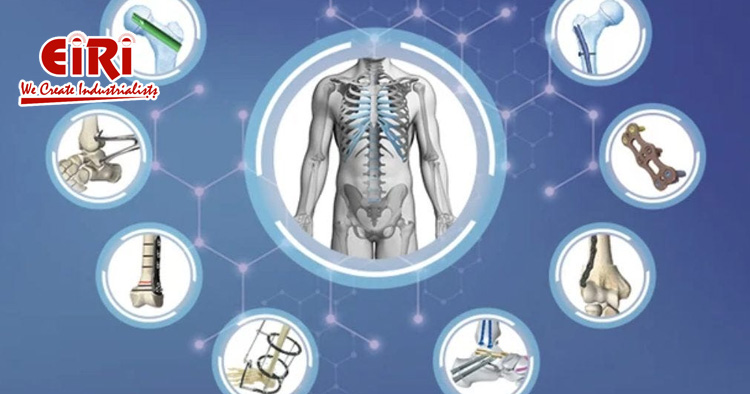
The field of orthopedics plays a vital role in restoring mobility and improving the quality of life for individuals suffering from musculoskeletal conditions and injuries. Within this field, orthopedic implants and instruments are indispensable tools used by surgeons to repair and replace damaged bones, joints, and tissues. As the global population ages and the incidence of musculoskeletal disorders rises, the demand for orthopedic implants and instruments continues to grow, making it an attractive sector for entrepreneurs and investors alike.
The orthopedic implant market reached USD 48 billion in 2022 and is expected to grow to USD 72.08 billion by 2032, with a CAGR of 4.20% from 2023 to 2032.
In 2022, the global orthopedic implant market reached a value of USD 48 billion. Over the forecast period from 2023 to 2032, it is anticipated to witness significant growth, with projections indicating a rise to USD 72.08 billion. This trajectory represents a compound annual growth rate (CAGR) of 4.20%. The demand for orthopedic implants is being driven by various factors, including an aging population, an increase in musculoskeletal disorders, advancements in surgical techniques and materials, and a growing emphasis on improving the quality of life for individuals with orthopedic conditions. Technological innovations, such as 3D printing and personalized implants, are also contributing to market expansion. Additionally, rising healthcare expenditure, coupled with a greater awareness of orthopedic treatment options, is expected to fuel market growth further. With the continuous evolution of medical technology and ongoing research and development initiatives, the orthopedic implant market is poised for substantial development in the coming years.
Orthopedic implants serve as crucial medical devices designed to either replace missing joints or bones or provide support to damaged bones. These implants play a vital role in enhancing mobility and alleviating pain for individuals suffering from joint or bone-related issues. For example, a bone implant or replacement can significantly improve weight-bearing capabilities, facilitating smoother movement and enabling patients to engage in daily activities with greater ease.
Surgeons utilize orthopedic implants to address various orthopedic conditions, ranging from degenerative diseases like osteoporosis to traumatic injuries that result in bone deformities or damage. These implants are crafted from a variety of materials, including metal alloys, ceramics, and polymers. Metal alloys, particularly titanium, are commonly employed due to their strength and biocompatibility. Bioceramics are utilized to replace degenerated tissue and bone caused by conditions like osteoporosis, while polymers are adept at mimicking the function of cartilage or ligaments that may have deteriorated over time or due to trauma.
By leveraging advancements in materials science and surgical techniques, orthopedic implants offer patients improved quality of life and enhanced functionality. These innovations enable surgeons to tailor treatment plans to individual needs, providing customized solutions that restore mobility and alleviate discomfort. As research and development continue to drive progress in the field, orthopedic implants are poised to play an increasingly integral role in orthopedic care, offering hope and relief to countless individuals worldwide.
Orthopedic implants and instruments encompass a wide range of products designed for various applications within the field of orthopedic surgery. Some of the key market segments include:
- Joint Replacement Implants: This segment includes implants used for total hip replacement, total knee replacement, and other joint replacement procedures. Titanium, cobalt-chromium, and polyethylene are among the commonly used materials for these implants.
- Trauma Implants: Trauma implants are utilized in the treatment of fractures, bone deformities, and traumatic injuries. Plates, screws, nails, and wires are typical examples of trauma implants used for fracture fixation and stabilization.
- Spinal Implants: Spinal implants are used in the surgical treatment of spinal disorders such as degenerative disc disease, spinal stenosis, and spinal deformities. These implants include spinal fusion devices, intervertebral cages, and spinal fixation systems.
- Orthobiologics: Orthobiologics encompass biological materials and substances used to promote bone healing and tissue regeneration. This segment includes bone grafts, synthetic bone substitutes, growth factors, and stem cell-based therapies.
Opportunities for Entrepreneurs and Growth Trends
The orthopedic implant market experienced a significant surge in growth following the lifting of pandemic restrictions. Increased demand stemmed from postponed surgeries and lifestyle-related orthopedic disorders, including spinal issues and obesity-related bone conditions. Research indicates a rising incidence of osteoporosis among Americans over 50, driving surgical needs.
Anticipated rises in osteoporosis and osteoarthritis cases are expected to further drive market demand. Pandemic-related delays disrupted supply chains but post-restriction removals are projected to reignite demand. Technological advancements, especially in customizable joint implants tailored to individual anatomies, are fueling market expansion.
Companies are innovating with technologies like 3D printing for precise implant structures. Rising obesity rates and sedentary lifestyles contribute to market growth. Key players invest heavily in R&D for minimally invasive procedures and cost-effective implants, enhancing accessibility. These factors collectively propel market growth during the forecast period.
In shorts:
- Surge in demand post-pandemic with lifted restrictions, driving orthopedic implant surgeries and market growth.
- Sedentary lifestyles during the pandemic contribute to increased orthopedic disorders, boosting implant requirements.
- Technological advancements like customizable implants and 3D printing enhance patient outcomes and market expansion.
- Projected rise in osteoporosis and osteoarthritis cases sustains demand for implants, fostering market growth.
- Industry efforts to develop cost-effective solutions aim to improve accessibility and affordability for patients, driving market inclusivity.
The orthopedic implants and instruments industry offers a multitude of opportunities for entrepreneurs seeking to establish a successful business venture. Some of the key opportunities in this sector include:
- Product Innovation: There is a growing demand for innovative orthopedic implants and instruments that offer improved clinical outcomes, shorter recovery times, and enhanced patient satisfaction. Entrepreneurs can focus on developing novel implant designs, surgical techniques, and instrumentation systems to address unmet needs in the market.
- Customized Solutions: With advancements in technology such as 3D printing and computer-aided design (CAD), there is an increasing trend towards personalized orthopedic implants tailored to individual patient anatomy. Entrepreneurs can capitalize on this trend by offering customized implant solutions and patient-specific instrumentation services.
- Emerging Markets: Emerging economies with rapidly aging populations, such as India, China, and Brazil, present significant growth opportunities for orthopedic implant manufacturers. By expanding into these markets and adapting products to local preferences and healthcare systems, entrepreneurs can tap into new revenue streams and gain a competitive edge.
- Strategic Partnerships: Collaboration with orthopedic surgeons, healthcare institutions, research organizations, and medical device distributors can facilitate market entry and accelerate business growth. Strategic partnerships enable entrepreneurs to leverage expertise, resources, and networks to effectively penetrate the market and establish a strong presence.
Challenges to Consider:
Despite the lucrative opportunities in the orthopedic implants and instruments industry, entrepreneurs may encounter several challenges along the way. Some of the key challenges include:
- Regulatory Compliance: The orthopedic implants market is highly regulated, with stringent quality standards and regulatory requirements governing the design, manufacturing, and marketing of medical devices. Navigating the regulatory landscape and obtaining necessary approvals can be time-consuming and costly.
- Intellectual Property Protection: Protecting intellectual property rights is essential for safeguarding innovative product designs, technologies, and proprietary processes from unauthorized use or infringement by competitors. Entrepreneurs must invest in robust intellectual property strategies to secure their innovations and maintain a competitive advantage.
- Market Competition: The orthopedic implants market is characterized by intense competition among multinational corporations, established players, and new entrants. Differentiating products, building brand awareness, and capturing market share in a crowded marketplace require strategic planning, marketing efforts, and ongoing innovation.
- Technological Complexity: Orthopedic implants and instruments involve advanced technologies, materials, and manufacturing processes. Entrepreneurs need to stay abreast of technological advancements, invest in research and development, and collaborate with experts to ensure product quality, safety, and efficacy.
The orthopedic implants and instruments industry presents lucrative opportunities for entrepreneurs to innovate, address unmet medical needs, and contribute to improving patient outcomes. By focusing on product innovation, customization, market expansion, and strategic partnerships, entrepreneurs can establish successful businesses in this dynamic and rewarding sector. Despite the challenges inherent in the industry, the potential for growth, innovation, and impact make orthopedic implants and instruments an attractive business opportunity for aspiring entrepreneurs worldwide.