In recent years, there has been a notable shift towards sustainable agricultural practices, driven by growing awareness of environmental concerns and the desire for chemical-free food production. Organic manure and fertilizer manufacturing have emerged as pivotal components of this movement, offering eco-friendly alternatives to conventional agricultural inputs. In this article, we delve into the burgeoning business landscape of organic manure and fertilizer manufacturing, exploring market trends, growth opportunities, and essential considerations for entrepreneurs looking to enter this thriving industry.
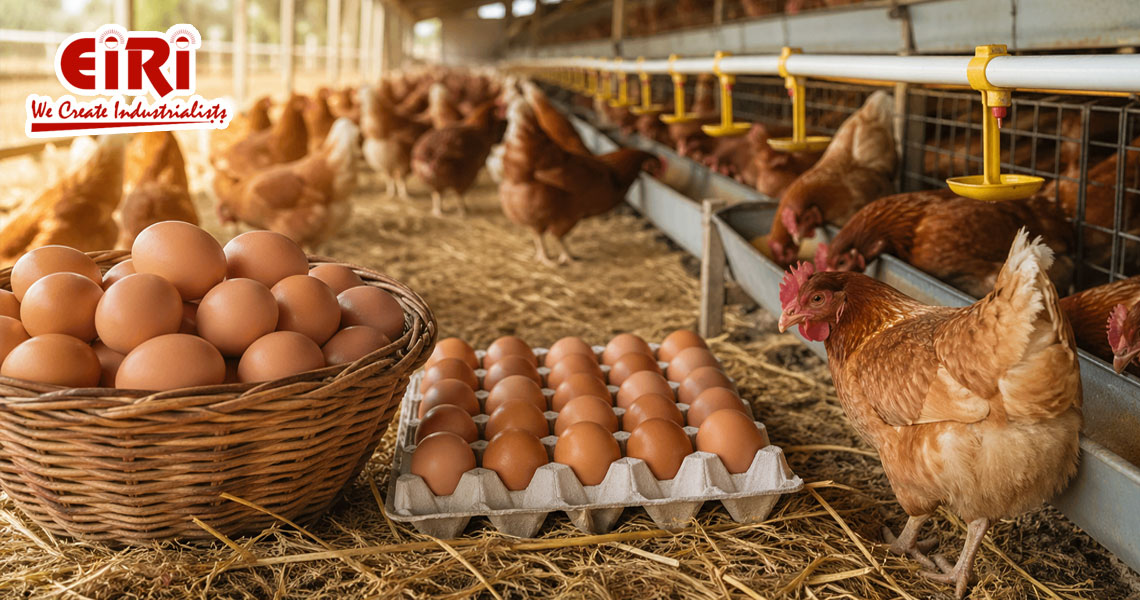
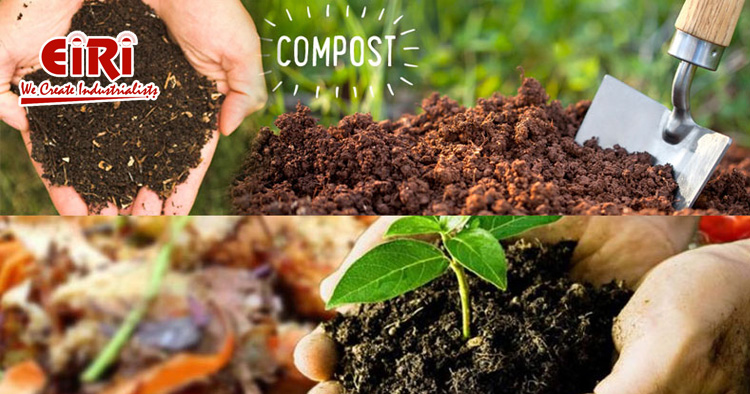
Organic fertilizers represent a natural and sustainable approach to soil fertility management, offering numerous benefits over their synthetic counterparts. These fertilizers contain essential nutrients and minerals naturally available in raw materials such as animal waste, manure, plant debris, and organic compost. Unlike synthetic fertilizers, organic alternatives encourage the growth of soil microorganisms and contribute to improved soil structure and water retention capacity.
One of the primary advantages of organic fertilizers is their controlled release mechanism, which reduces the risk of over-fertilization or nutrient deficiency in the soil. This controlled release ensures a steady supply of nutrients to plants, promoting healthy growth and minimizing the need for frequent applications.
The market for organic fertilizers is experiencing rapid growth driven by various factors, including increasing consumer demand for organic food products, rising health consciousness, and government initiatives promoting organic agriculture. Consumers are increasingly opting for organic goods free from synthetic fertilizers and pesticides, driving demand for organic farming practices and organic fertilizers.
Moreover, government programs and subsidies aimed at reducing environmental pollution are incentivizing farmers to adopt organic agriculture methods. Investments in research and development, technological advancements, and innovations in organic fertilizer production processes further contribute to market expansion.
Organic fertilizers offer numerous benefits beyond nutrient provision. They contribute to environmental protection, conservation of non-renewable resources, improved food quality, and reduction in agricultural waste output. Additionally, organic farming practices align with changing market demands and consumer preferences for sustainable and health-conscious products.
The organic fertilizers industry is witnessing increased demand driven by factors such as biofuel production, food and nutrition security, environmental concerns, and expansion of agricultural farmland globally. As the market continues to evolve, opportunities abound for entrepreneurs to capitalize on the growing demand for organic fertilizers and contribute to sustainable agriculture practices worldwide.
Market Overview of Organic Fertilizers:
The Organic Fertilizer Market is valued at $10.83 billion in 2023, projected to reach $27.14 billion by 2031, with a 12.29% CAGR during the forecast period of 2024-2031.
The global organic fertilizer market has witnessed significant growth in recent years, fueled by increasing demand for organic food products, favorable government policies promoting organic agriculture, and rising awareness about soil health and fertility. The use of organic fertilizers has surged in recent years due to growing awareness of the environmental and health risks associated with chemical alternatives. As demand for organic food rises, so does the need for organic agriculture, particularly in regions like Europe. However, challenges persist, including climate change impacts and the need for diverse organic fertilizer types to optimize crop yields and soil health.
Key Drivers:
With agricultural land becoming increasingly scarce, farmers face mounting pressure to optimize crop production to ensure food security for a growing global population. Enhancing soil quality emerges as a pivotal strategy to boost agricultural output, as it directly impacts crop health and yields. Governments worldwide recognize the importance of agriculture and actively support farmers through regulations, incentives, and programs, including participation in international agricultural events. These initiatives drive the emphasis on improving agricultural product quality, thereby shaping the organic fertilizer market.
Organic fertilizers are renowned for their ability to enhance crop nutrition and quality, aligning with international standards and consumer preferences. As farmers strive to produce nutrient-rich crops and maintain healthy soils, the demand for organic fertilizers is poised to increase, driving market growth.
- Growing Demand for Organic Food: Consumer preferences are shifting towards organic food products perceived as healthier and more environmentally sustainable. This trend has propelled the demand for organic fertilizers, as farmers seek to meet certification requirements and enhance soil health without relying on synthetic chemicals.
- Environmental Concerns: Conventional fertilizers pose significant environmental risks, including soil degradation, water pollution, and greenhouse gas emissions. Organic fertilizers, derived from natural sources such as compost, animal manure, and plant residues, offer a sustainable alternative with minimal environmental impact, driving their adoption among environmentally-conscious farmers.
- Government Support: Governments worldwide are implementing policies and incentives to promote organic agriculture and reduce reliance on chemical inputs. Subsidies, grants, and certification programs encourage farmers to transition to organic farming practices, creating a conducive environment for organic fertilizer manufacturers to thrive.
Business Opportunities:
- Manufacturing Organic Manure and Fertilizers: Establishing a manufacturing facility for organic manure and fertilizers presents a lucrative opportunity to cater to the growing demand in the market. By sourcing organic raw materials, implementing efficient production processes, and adhering to quality standards, entrepreneurs can produce high-quality organic fertilizers tailored to the needs of organic farmers.
- Research and Development: Investing in research and development allows companies to innovate and develop novel organic fertilizer formulations with enhanced nutrient profiles, improved efficacy, and reduced environmental impact. Collaborations with agricultural research institutions and partnerships with organic farming associations can facilitate knowledge exchange and accelerate product development efforts.
- Distribution and Marketing: Developing a robust distribution network and implementing effective marketing strategies are essential for reaching target customers and building brand awareness. Collaborating with agricultural input suppliers, cooperatives, and retailers can expand market reach and facilitate product distribution to farmers across diverse geographical regions.
- Value-Added Services: Offering value-added services such as soil testing, agronomic advisory services, and customized fertilizer blends can differentiate organic fertilizer manufacturers in the market. By providing personalized recommendations based on soil health assessments and crop requirements, companies can establish long-term partnerships with farmers and enhance customer loyalty.
Conclusion:
The organic manure and fertilizer manufacturing business offers promising opportunities for entrepreneurs seeking to capitalize on the growing demand for sustainable agricultural inputs. By aligning with market trends, leveraging technological advancements, and prioritizing quality, sustainability, and innovation, aspiring business owners can establish successful ventures and contribute to the advancement of organic agriculture and environmental conservation efforts.