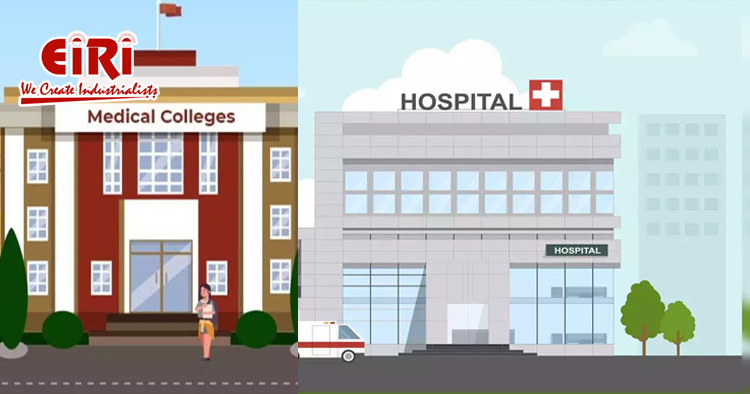
The hospitals and clinics market encompasses a broad spectrum of healthcare services, including hospital care, outpatient care, and various related goods and services provided by a range of entities, such as organizations, sole traders, and partnerships. This dynamic industry caters to the diverse medical needs of individuals, offering diagnosis, treatment, and support for a multitude of health conditions.
Within this sector, hospitals play a pivotal role, serving as key institutions for the diagnosis and treatment of a wide array of diseases. These include general hospitals, specialty hospitals focusing on specific medical fields, and psychiatric and substance abuse hospitals. General hospitals offer comprehensive medical services, while specialty hospitals concentrate on specific areas such as cardiology, oncology, or orthopedics. Additionally, psychiatric and substance abuse hospitals provide specialized care for individuals dealing with mental health and addiction issues.
Complementing the services provided by hospitals are outpatient care facilities, commonly referred to as clinics. These establishments offer medical services and treatments that do not require overnight stays. Services provided by clinics may include kidney dialysis, family planning counseling, and various other outpatient care services. Outpatient care can be administered in medical offices or within hospital premises, depending on the nature of the treatment required.
The global hospitals and clinics market is poised for significant expansion, driven by several factors. One primary catalyst is the increasing accessibility of healthcare services worldwide, fueled by rising healthcare expenditure and the effective implementation of health programs. This heightened accessibility is expected to result in a growing demand for hospital and outpatient care services, thereby driving market growth.
However, alongside this growth trajectory, the market faces certain challenges. One such challenge is the increasing awareness of various diseases among patients and healthcare professionals alike. This heightened awareness, coupled with greater investments in research and development, is expected to drive innovation within the industry. Increased funding for research activities related to hospitals and outpatient care centers is anticipated to support the market's expansion and drive improvements in healthcare delivery.
Furthermore, rapid advancements in healthcare infrastructure have spurred investments in medical education, particularly in developing economies. The establishment of medical colleges and the expansion of medical schools are contributing to the development of a skilled healthcare workforce capable of meeting the evolving needs of patients worldwide.
Narrative medicine is emerging as a notable trend within the medical education landscape. This approach integrates storytelling and humanities into medical training, aiming to enhance empathy, communication, and understanding among healthcare professionals. By incorporating patient stories, literature, and arts into medical education, narrative medicine seeks to enrich physicians' understanding of patient experiences, ultimately improving patient care and fostering stronger patient-provider relationships.
The hospitals and clinics market is undergoing significant transformation driven by factors such as increasing healthcare accessibility, advancements in medical education, and the adoption of innovative approaches like narrative medicine. As the industry continues to evolve, stakeholders must adapt to meet the changing needs of patients and communities worldwide, ensuring the delivery of high-quality, compassionate healthcare services.
Market Overview
With a robust trajectory set for the healthcare industry in India, the sector stands poised for remarkable growth, propelled by various factors that underscore its strong demand, attractive opportunities, rising manpower, and significant policy and government support.
Strong Demand:
The healthcare market in India is on a steady upward climb, expected to soar to US$ 412 billion by 2026. This surge is attributed to several key drivers, including the rising income levels of the population, increased health awareness, the prevalence of lifestyle diseases, and expanding access to insurance coverage. As a result, the demand for healthcare services and solutions continues to intensify, creating a fertile ground for investment and innovation in the sector.
Attractive Opportunities:
India's public expenditure on healthcare has been on an upward trajectory, reaching 2.1% of GDP in FY23. This increased investment is a testament to the growing prioritization of healthcare by the government, presenting lucrative opportunities for stakeholders across the healthcare value chain. Furthermore, the successful rollout of COVID-19 vaccines, including Bharat Biotech's Covaxin and Oxford-AstraZeneca’s Covishield, has bolstered confidence in India's healthcare ecosystem, paving the way for further advancements and investments.
Rising Manpower:
India boasts a vast pool of well-trained medical professionals, providing a solid foundation for the expansion and enhancement of healthcare services. The number of allopathic doctors with recognized medical qualifications has seen a significant increase, reflecting the country's commitment to bolstering its healthcare workforce. This growing manpower not only addresses the existing healthcare needs but also positions India as a hub for medical expertise and talent in the global arena.
Policy and Government Support:
The Indian government's unwavering support for the healthcare sector is evident in its substantial budget allocations and proactive policy measures. In the Union Budget 2023-24, a staggering Rs. 89,155 crore (US$ 10.76 billion) was allocated to the Ministry of Health and Family Welfare, underscoring the government's commitment to strengthening the healthcare infrastructure. Additionally, the proposed credit incentive program worth Rs. 500 billion (US$ 6.8 billion) is poised to further accelerate the development of healthcare facilities and services across the country, ensuring equitable access to quality healthcare for all.
The healthcare industry in India stands at the cusp of a transformative era, driven by strong demand, attractive opportunities, a burgeoning workforce, and unwavering government support. As the sector continues to evolve and expand, it holds immense promise for investors, innovators, and healthcare professionals alike, positioning India as a global leader in healthcare excellence and innovation.
Indian Healthcare Market Size
The Indian healthcare sector is on a remarkable trajectory, poised for exponential growth and transformation in the coming years. Between 2026 and 2032, the sector is anticipated to witness a three-fold rise, expanding at a robust compound annual growth rate (CAGR) of 28%. This surge is projected to propel the market value from US$ 110 billion in 2016 to a staggering US$ 412 billion by 2026. By the fiscal year 2028, the Indian healthcare infrastructure is expected to scale new heights, reaching a monumental US$ 449.1 billion.
One of the significant indicators of the sector's growth potential is its substantial contribution to employment generation. Over the period of next 10 years, the healthcare sector is forecasted to create an impressive 40 lakh jobs in India, averaging over 4 lakh jobs per year. This surge in employment opportunities underscores the sector's role as a key driver of economic growth and development.
Furthermore, India's public expenditure on healthcare has witnessed a commendable upward trend, reflecting the government's commitment to prioritizing healthcare spending. In fiscal year 2023, healthcare expenditure reached 2.1% of GDP, marking a notable increase from 1.6% in fiscal year 2021. This augmented investment is pivotal in enhancing the accessibility and affordability of healthcare services for the masses.
The health insurance sector in India has also experienced significant growth, with premiums underwritten by health insurance companies reaching Rs. 73,582.13 crore (US$ 9.21 billion) in fiscal year 2022. Notably, the health segment commands a substantial 33.33% share in the total gross written premiums earned in the country, reflecting the growing awareness and uptake of health insurance among the populace.
India's prowess in medical tourism further solidifies its position as a global healthcare destination. With the medical tourism market valued at US$ 2.89 billion in 2020 and projected to reach US$ 13.42 billion by 2026, India attracts a significant influx of foreign patients seeking advanced medical treatment. The country's reputation in medical tourism is underscored by its ranking as the tenth destination in the Medical Tourism Index (MTI) for 2020-21. With a robust Medical Value Travel (MVT) sector boasting a size of US$ 5-6 billion and catering to 500,000 international patients annually, India emerges as a preferred destination for medical tourists worldwide.
Moreover, the burgeoning e-health market in India presents immense opportunities for growth and innovation. With the e-health market size estimated to soar to US$ 10.6 billion by 2025, the digital healthcare landscape in India is poised for significant advancements, offering convenient and accessible healthcare solutions to a burgeoning population.
In essence, the Indian healthcare sector is witnessing unprecedented growth fueled by rising investments, increasing healthcare spending, and a burgeoning medical tourism industry. As the sector continues to evolve and expand, it holds immense promise for driving economic prosperity and fostering improved healthcare outcomes for millions across the nation.
Trends and Challenges
Medical colleges with associated hospitals play a pivotal role in the healthcare ecosystem, serving as centers for medical education, research, and patient care. As institutions dedicated to training the next generation of healthcare professionals, medical colleges and their affiliated hospitals face a unique set of trends and challenges that shape their operations and impact the broader healthcare landscape.
Trends:
- Interdisciplinary Education: One prominent trend in medical colleges is the emphasis on interdisciplinary education. Recognizing the complex nature of modern healthcare delivery, medical colleges are increasingly incorporating interdisciplinary learning experiences into their curricula. This approach fosters collaboration among healthcare professionals from various disciplines, preparing students to work effectively in team-based care settings.
- Technological Integration: The integration of technology into medical education and patient care is another significant trend. Medical colleges are leveraging advanced simulation technologies, virtual reality, and telemedicine platforms to enhance learning experiences and improve patient outcomes. Additionally, electronic health records (EHRs) are becoming ubiquitous in hospital settings, enabling seamless communication and information sharing among healthcare providers.
- Focus on Diversity and Inclusion: There is a growing emphasis on promoting diversity and inclusion within medical colleges and their associated hospitals. Recognizing the importance of diversity in healthcare workforce representation and cultural competency, institutions are implementing initiatives to recruit and support students from underrepresented backgrounds. This trend aims to create a more inclusive learning environment and improve healthcare access and outcomes for diverse patient populations.
- Emphasis on Population Health: Medical colleges are increasingly incorporating population health principles into their educational programs and clinical practices. By training future physicians to consider the social determinants of health and address broader public health challenges, medical colleges are preparing students to become advocates for health equity and community wellness.
Challenges:
- Healthcare Workforce Shortages: One of the primary challenges facing medical colleges and their associated hospitals is the shortage of healthcare professionals, including physicians, nurses, and allied health professionals. This shortage is exacerbated by factors such as an aging population, growing demand for healthcare services, and geographic maldistribution of healthcare providers. Medical colleges must innovate to address workforce shortages through expanded training programs, recruitment initiatives, and retention strategies.
- Financial Pressures: Medical colleges and teaching hospitals often face financial pressures due to declining reimbursement rates, increasing operating costs, and changing healthcare payment models. These financial challenges can impact institutions' ability to invest in infrastructure, technology, and faculty recruitment, potentially compromising the quality of education and patient care. Effective financial management strategies and diversified revenue streams are essential for navigating these challenges.
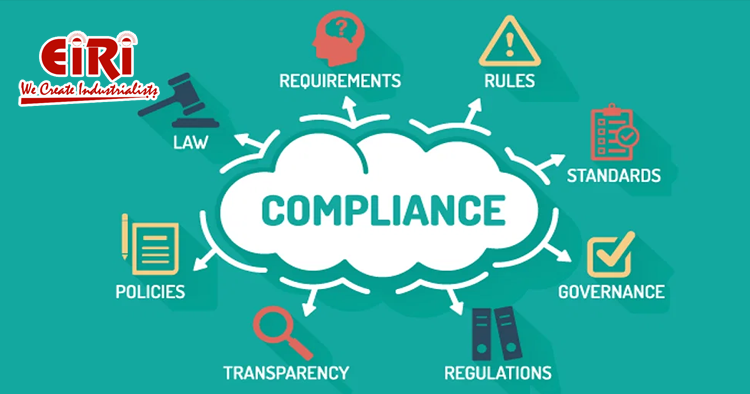
- Accreditation and Regulatory Compliance: Meeting accreditation standards and complying with regulatory requirements pose significant challenges for medical colleges and hospitals. Accreditation bodies such as the Liaison Committee on Medical Education (LCME) set rigorous standards for medical education programs, requiring institutions to demonstrate compliance with curricular guidelines, faculty qualifications, and educational outcomes. Similarly, hospitals must adhere to regulatory requirements related to patient safety, quality of care, and billing practices, necessitating robust compliance programs and ongoing monitoring.
- Advancing Medical Knowledge: Keeping pace with rapid advancements in medical knowledge and technology presents a perennial challenge for medical colleges and teaching hospitals. As new research findings emerge and medical technologies evolve, educators must continually update curricula and clinical practices to ensure that students receive the most current and evidence-based education. This challenge underscores the importance of fostering a culture of lifelong learning and professional development among faculty and staff.
In conclusion, medical colleges and their associated hospitals face a dynamic landscape characterized by evolving trends and persistent challenges. By embracing interdisciplinary education, leveraging technology, promoting diversity and inclusion, and addressing workforce shortages, institutions can adapt to meet the changing needs of healthcare delivery and education. However, navigating financial pressures, ensuring regulatory compliance, and staying abreast of medical advancements remain ongoing challenges that require strategic planning and collaboration within the healthcare community.