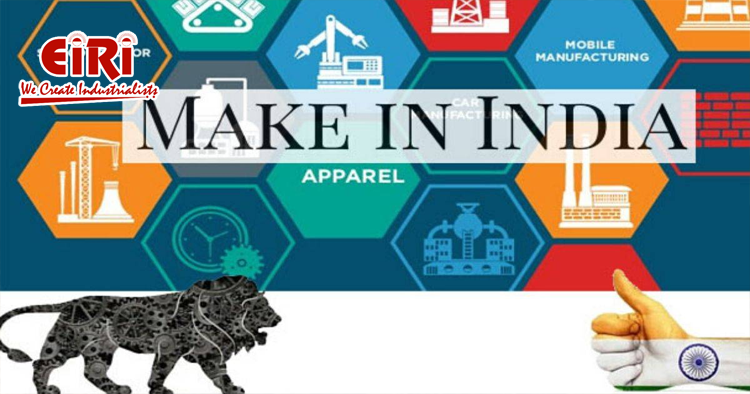
Make in India is a visionary initiative launched by the Government of India in September 2014, with the primary aim of transforming the country into a global manufacturing hub. The initiative was introduced to boost domestic manufacturing, attract foreign investments, create employment opportunities, and bolster India's economic growth. With its emphasis on enhancing the manufacturing sector, Make in India seeks to propel India's position in the global market and foster sustainable development.
Background:
Before the launch of Make in India, India's manufacturing sector faced several challenges, including bureaucratic hurdles, complex regulatory processes, and limited infrastructure. Despite its vast potential, the sector was not realizing its full capacity. Recognizing the need for a significant transformation, Prime Minister Narendra Modi introduced the Make in India campaign as a flagship program to promote manufacturing-led growth.
Objectives:
The Make in India initiative revolves around several key objectives, each geared towards driving India's industrial growth and economic development. Some of the main objectives of the campaign include:
- Attracting Foreign Direct Investment (FDI): One of the primary goals of Make in India is to attract foreign investments in various sectors of the economy. By easing foreign investment norms and offering a conducive business environment, the initiative aims to make India an attractive destination for global investors.
- Promoting Ease of Doing Business: Make in India seeks to streamline regulatory processes and create a business-friendly ecosystem. The focus is on simplifying procedures, reducing red tape, and enhancing transparency to facilitate a smooth business environment.
- Fostering Innovation and Technology Adoption: The initiative encourages the adoption of advanced technologies and innovation to boost productivity and quality in manufacturing processes. By promoting research and development, Make in India aims to make Indian industries globally competitive.
- Skill Development and Employment Generation: Make in India aims to enhance the employability of India's vast workforce by providing skill development and training programs. This focus on skill development aligns with the goal of creating more job opportunities in the manufacturing sector.
- Building Infrastructure: To support industrial growth, Make in India emphasizes the need for robust infrastructure development. This includes the expansion of transportation networks, modernization of ports and airports, and the creation of industrial corridors.
- Diversifying Manufacturing Sectors: The initiative identifies key sectors with high potential for growth and encourages investments in diverse industries, including automobiles, electronics, pharmaceuticals, textiles, and renewable energy.
- Promoting Sustainable Practices: Make in India also advocates for sustainable and environmentally responsible manufacturing practices. The initiative encourages industries to adopt green manufacturing techniques and reduce their carbon footprint.
By pursuing these objectives, Make in India envisions transforming India into a global manufacturing powerhouse, driving economic growth, and creating a favorable business environment for both domestic and international companies.
Key Schemes Launched under Make In India Program
Under the Make in India program, the Indian government has launched several key schemes and initiatives to promote manufacturing, attract investments, and boost economic growth. Here are some of the popular schemes and a brief overview of each:
National Manufacturing Policy (NMP):
The National Manufacturing Policy was introduced to provide a comprehensive framework for the growth and development of the manufacturing sector in India. The policy aims to increase the share of manufacturing in India's GDP and create millions of jobs. It focuses on improving infrastructure, providing fiscal incentives, and enhancing ease of doing business for manufacturers.
Intellectual Property Rights (IPR) Policy:
The IPR Policy aims to foster innovation and protect intellectual property rights in India. It encourages research and development activities by providing a conducive environment for IP creation and commercialization. The policy also seeks to strengthen enforcement mechanisms to safeguard against infringement.
Skill India Initiative:
Skill India is a flagship program launched to enhance the employability of India's workforce by providing them with relevant skills and training. The initiative aims to bridge the gap between the demand for skilled labor and the available workforce in various manufacturing sectors.
Digital India:
The Digital India campaign aims to transform India into a digitally empowered society and knowledge economy. By promoting the use of digital technologies in manufacturing processes, it enhances efficiency, reduces costs, and promotes innovation.
Digital India is a transformative initiative aimed at propelling India towards becoming a fully digital economy, empowering citizens with seamless access to a wide array of online services. At the core of this ambitious program is the vision to provide affordable and hassle-free internet connectivity, bridging the digital divide and empowering every citizen to reap the benefits of the digital revolution.
Among the key digital architectures established under this visionary scheme are:
Bharat Interface for Money (BHIM):
BHIM is a revolutionary digital payment platform that facilitates quick, easy, and secure transactions through the Unified Payment Interface (UPI) framework. With BHIM, individuals can effortlessly make payments and transfer funds using mobile phone numbers without the need for internet connectivity. This transformative platform has enabled various banks across the nation to seamlessly accept instant payments and facilitate money collections, fostering financial inclusivity and accessibility.
Mygov.in:
Mygov.in is an innovative digital platform designed to serve as a participatory hub for citizens to actively engage and voice their opinions on the government's administration strategy. This citizen-centric portal empowers people from all walks of life to actively participate in governance, providing them with an opportunity to contribute valuable insights, suggestions, and feedback on various policy matters. By fostering open dialogues and citizen involvement, Mygov.in strengthens the foundation of a transparent and accountable governance system.
Digital India envisions a technologically advanced and digitally empowered nation, where the power of technology is harnessed to create a more inclusive and efficient ecosystem. By leveraging the potential of digital infrastructure, the initiative aims to enhance public service delivery, streamline government operations, and drive economic growth through innovation and digital entrepreneurship.
As the program continues to unfold, Digital India is poised to shape the future of the nation by harnessing the transformative potential of digital technologies. By fostering a digitally literate and connected population, India is set to leap into the digital era, embarking on a journey towards greater progress, prosperity, and inclusivity for all its citizens.
Make in India for Defence Production:
This scheme focuses on bolstering India's defense manufacturing capabilities and reducing reliance on imports. It encourages the domestic production of defense equipment and technology, leading to self-sufficiency and export potential.
Start-up India:
Start-up India is an initiative to promote entrepreneurship and support start-ups in India. The program offers various benefits, such as tax exemptions, funding opportunities, and simplification of regulatory processes, to encourage the growth of innovative start-ups in the manufacturing sector.
Startup India presents a comprehensive 19 Point Action Plan that encompasses various initiatives to support and nurture startups in the country. Some key elements of this plan include:
Self-Certification Compliance:
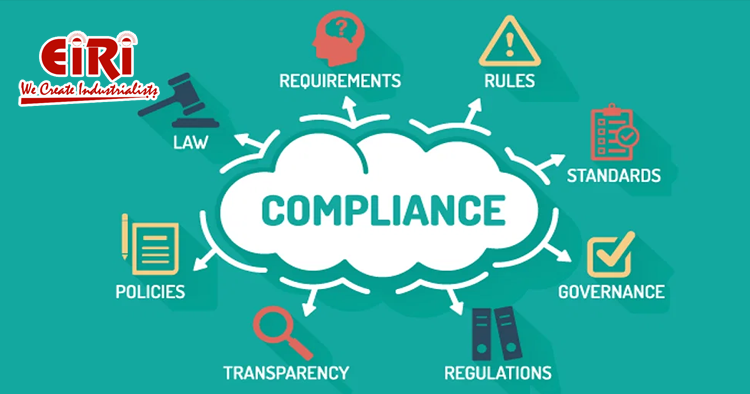
Startups are allowed to self-certify their compliance with labor and environmental laws for a period of three years, enabling them to focus on their core business operations without excessive regulatory burdens.
Single Point of Contact via Startup India Hub:
A dedicated Startup India Hub serves as a single point of contact for startups, providing them with the necessary information, guidance, and support to navigate the startup ecosystem seamlessly.
Simplifying Processes with Mobile App and Portal:
Startups can avail themselves of a user-friendly mobile app and web portal that streamline the registration process, facilitate compliance filing, and offer easy access to vital information, all in one place.
Legal Support and Fast-Track Patent Registration:
Startups benefit from legal support and expedited processing of patent applications, reducing the time and effort required for securing intellectual property rights. Additionally, they enjoy an 80% reduction in patent registration fees to encourage innovation.
Relaxed Norms of Public Procurement:
Startups are given preferential treatment in government procurement processes. This includes exemptions from certain eligibility criteria and the possibility of participating in tenders with relaxed financial and experience requirements.
Easier and Faster Exit:
The Startup India initiative recognizes that not all startups may succeed. To facilitate an easier and faster exit, startups can close their businesses within 90 days via an online process, minimizing bureaucratic hurdles.
Through this 19 Point Action Plan, Startup India aims to create an enabling environment that fosters innovation, growth, and success for startups across various sectors. By simplifying procedures, reducing regulatory complexities, and providing necessary support, the program seeks to nurture the entrepreneurial spirit in India and drive the nation's economic progress.
Invest India:
Invest India is the national investment promotion and facilitation agency that acts as a one-stop-shop for investors looking to set up businesses in India. It provides assistance in obtaining necessary approvals, resolving issues, and accessing information about investment opportunities.
Modified Special Incentive Package Scheme (M-SIPS):
The M-SIPS provides financial incentives to promote large-scale manufacturing and technology-driven industries in the electronics sector. It aims to boost domestic production and reduce electronics imports by providing capital subsidies and other benefits.
Cluster Development Program:
The Cluster Development Program aims to promote the development of industrial clusters, wherein a group of enterprises in related industries collaborate and enhance their competitiveness. It provides financial assistance and technical support to foster growth in these clusters.
Pradhan Mantri Mudra Yojana (PMMY):
PMMY focuses on providing financial support to small and micro-enterprises to facilitate their growth and expansion. It offers loans for various business activities, including manufacturing ventures, without the need for collateral security.
These schemes and initiatives play a crucial role in creating a favorable business environment, supporting innovation, and attracting investments to boost the manufacturing sector's growth in India. They reflect the government's commitment to promoting sustainable development and making India a preferred destination for manufacturing and investment opportunities.
Key Sectors Targeted by Make in India
Make in India, with its ambitious vision of transforming India into a global manufacturing hub, has strategically identified key sectors that hold immense potential for driving economic growth and employment generation. The initiative aims to provide a conducive environment and support to these focus areas, encouraging both domestic and foreign companies to invest and establish their manufacturing units in India. Here are some of the pivotal sectors targeted by Make in India:
Manufacturing:
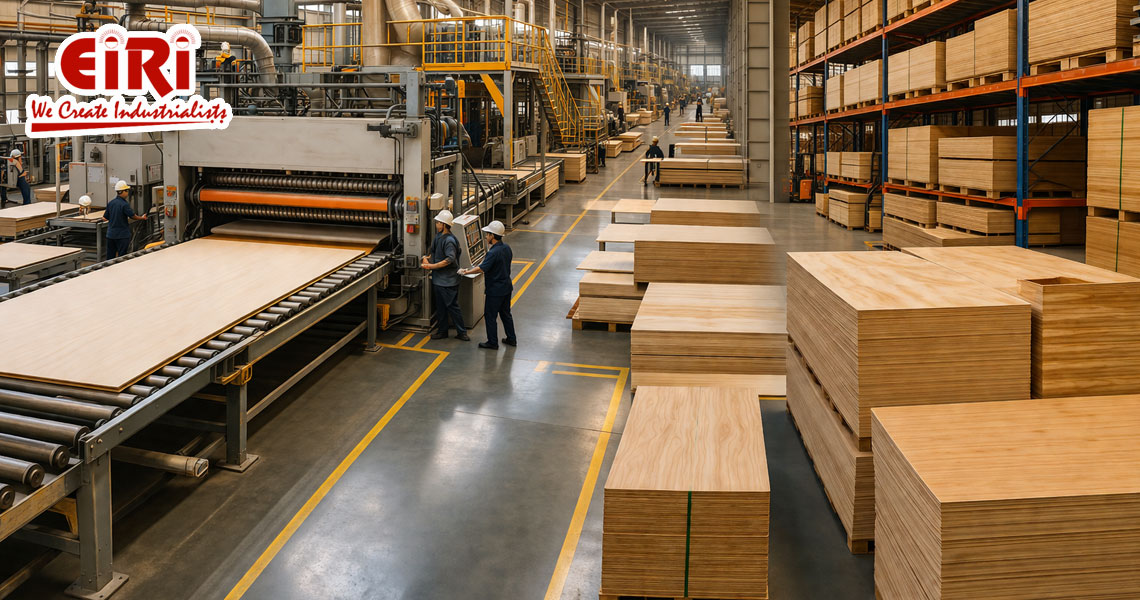
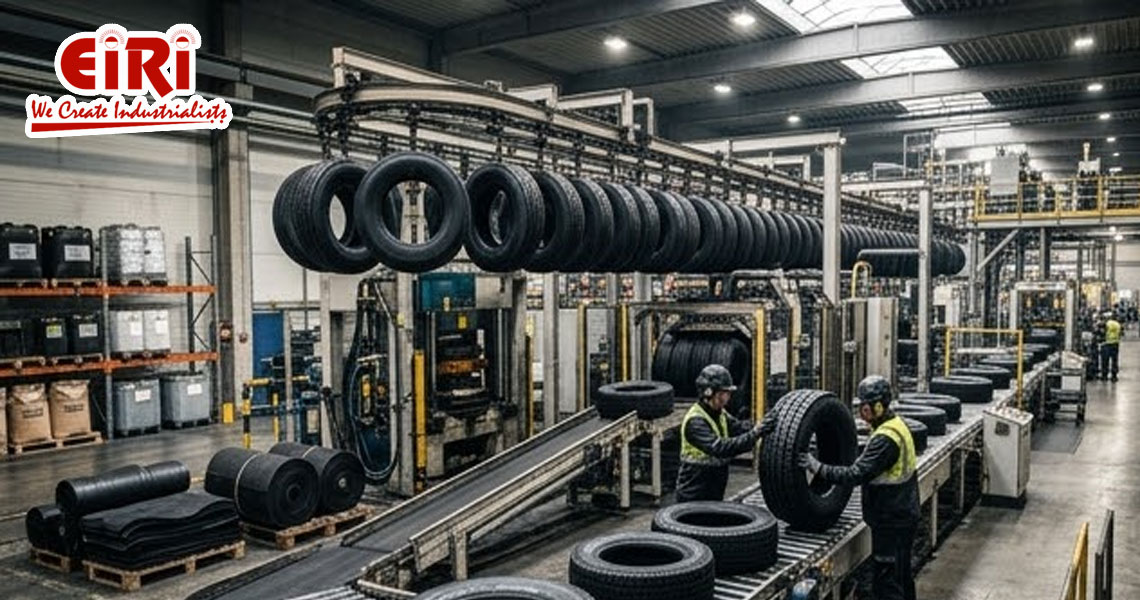
The foundation of Make in India lies in bolstering the manufacturing sector. The initiative envisions strengthening existing industries and promoting the establishment of new manufacturing units across various domains, including automobiles, electronics, textiles, pharmaceuticals, and consumer goods. The focus on manufacturing growth aims to enhance productivity, promote innovation, and create a robust industrial ecosystem.
Information Technology and IT-Enabled Services (ITeS):
India has already earned global recognition for its prowess in the IT and ITeS sectors. Make in India endeavors to capitalize on this strength and position India as a global IT hub. By encouraging investments in software development, IT infrastructure, and technology-driven services, the initiative seeks to foster growth in the IT and ITeS domains, attracting both domestic and international players.
Infrastructure:
A strong and well-developed infrastructure is critical for sustainable economic growth. Make in India aims to invest significantly in the infrastructure sector, including roads, railways, ports, airports, and logistics. By upgrading and modernizing infrastructure, the initiative seeks to reduce transportation costs, improve connectivity, and enhance the overall ease of doing business in the country.
Renewable Energy:
With a growing emphasis on sustainable development, Make in India is keen on promoting the renewable energy sector. India's vast potential for solar, wind, and other renewable energy sources presents lucrative investment opportunities. The initiative strives to attract investments in renewable energy projects and technologies, contributing to a cleaner and greener future.
Pharmaceuticals and Biotechnology:
India's pharmaceutical industry is renowned worldwide for its cost-competitive and high-quality products. Make in India aims to further bolster this sector by encouraging research and development, promoting innovation, and fostering collaborations in the pharmaceutical and biotechnology domains.
Incentives and Benefits for Businesses
To incentivize and attract both domestic and foreign investors, Make in India offers a range of benefits and facilitative measures:
Ease of Doing Business:
The initiative has ushered in numerous reforms to streamline bureaucratic processes and reduce regulatory hurdles. With the focus on ease of doing business, businesses find it more convenient to set up and operate their ventures in India.
Fiscal Incentives:
Make in India provides various fiscal incentives, including tax benefits, exemptions, and subsidies, to support manufacturing industries. These incentives are designed to enhance competitiveness and profitability for businesses.
Intellectual Property Rights (IPR) Protection:
Recognizing the importance of protecting intellectual property, the initiative ensures a robust framework for safeguarding IPR. This fosters a favorable environment for research and innovation-driven industries.
Skill Development:
To address the growing demand for skilled labor, Make in India emphasizes skill development initiatives. By enhancing the workforce's skill sets, the initiative ensures that businesses have access to a competent and capable workforce.
Foreign Direct Investment (FDI) Policy:
Make in India encourages FDI across various sectors, allowing foreign companies to establish a significant presence in the Indian market. This promotes technology transfer, enhances competitiveness, and boosts overall economic growth.
Make in India continues to create an environment conducive to manufacturing growth, boosting economic progress and contributing to India's emergence as a global economic powerhouse. With its diverse sectors and attractive incentives, the initiative lays a strong foundation for India's journey towards becoming a manufacturing and innovation hub on the world stage.
Make in India 2.0 and Beyond: A New Chapter in India's Growth Story
Make in India, launched in 2014, has been a resounding success in transforming India into a global manufacturing hub. Building on its achievements, the Government of India introduced Make in India 2.0, signaling the commencement of a new chapter in the country's growth journey. Make in India 2.0 aims to further strengthen India's manufacturing sector and align it with emerging global trends and opportunities.
Make in India 2.0: A Shift towards Atmanirbhar Bharat
One of the key objectives of Make in India 2.0 is to propel the vision of Atmanirbhar Bharat, or self-reliant India. The initiative focuses on reducing dependence on imports and promoting domestic manufacturing capabilities. By fostering indigenous production across critical sectors, India aims to become a self-reliant economy capable of meeting its own needs while contributing to the global supply chain.
Focus on Innovation and Technology
Make in India 2.0 places significant emphasis on innovation and technology adoption across various industries. The goal is to create a conducive ecosystem that encourages research and development, promotes cutting-edge technologies, and nurtures startups and new ventures. By integrating technology and innovation into manufacturing processes, India aims to enhance productivity, efficiency, and global competitiveness.
Strengthening Global Supply Chains
The COVID-19 pandemic exposed vulnerabilities in global supply chains, prompting countries to reevaluate their dependencies. Make in India 2.0 envisions India as a reliable partner in the global supply chain by fostering resilience and diversity. The initiative aims to attract foreign investment and promote exports, making India an integral part of the global value chain.
Key Sectors in Make in India 2.0
Make in India 2.0 identifies several key sectors for targeted growth and development:
Pharmaceuticals and Medical Devices:
The pandemic underscored the importance of a robust pharmaceutical and medical devices industry. Make in India 2.0 seeks to enhance India's capabilities in drug manufacturing, API production, and medical device manufacturing, making India a significant player in the healthcare sector.
Electronics and Information Technology:
With the rapid growth of the digital economy, Make in India 2.0 aims to boost domestic electronics manufacturing and attract investments in semiconductor fabrication and electronic components. The initiative seeks to bolster India's position as a global player in the electronics and IT industries.
Renewable Energy:
Renewable energy is a key focus area for sustainable development. Make in India 2.0 aims to promote the manufacturing of renewable energy equipment, such as solar panels and wind turbines, to harness India's vast renewable energy potential.
Defense and Aerospace:
To strengthen India's defense capabilities, Make in India 2.0 focuses on indigenous manufacturing of defense equipment and technology. The initiative encourages private sector participation in the defense and aerospace industries.
Empowering MSMEs and Startups
Make in India 2.0 acknowledges the vital role of Micro, Small, and Medium Enterprises (MSMEs) and startups in driving economic growth and employment. The initiative offers various incentives and support mechanisms to empower MSMEs and startups, fostering their growth and innovation.
Conclusion: Charting a Resilient and Inclusive Future
Make in India 2.0 represents India's commitment to charting a resilient and inclusive growth trajectory. By promoting domestic manufacturing, embracing innovation, and strengthening global partnerships, India aspires to become a major force in the global economy. As Make in India evolves, it continues to shape India's destiny, transforming the country into a dynamic and self-reliant nation on the world stage.
For further information on the opportunities and benefits of Make in India 2.0, or for project consultation in various sectors, we welcome you to contact us. Together, let's contribute to the realization of Atmanirbhar Bharat and a prosperous future for all.