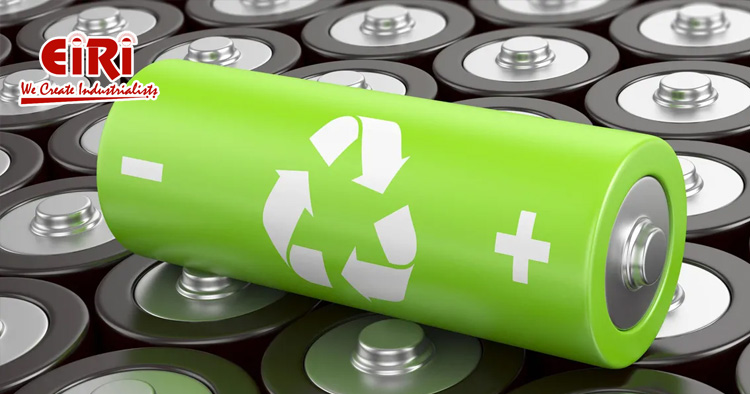
In recent years, the proliferation of electric vehicles (EVs), portable electronic devices, and renewable energy storage systems has led to a surge in demand for lithium-ion batteries (LIBs). While LIBs offer numerous advantages, including high energy density and long lifespan, they also pose environmental challenges due to their complex composition and limited recyclability.
The lithium-ion battery recycling market has emerged as a crucial solution to address these challenges and promote sustainable resource management. LIB recycling involves the recovery of valuable materials such as lithium, cobalt, nickel, and other metals from spent batteries, which can then be reused in the manufacturing of new batteries or other industrial applications.
Several factors are driving the growth of the lithium-ion battery recycling market:
- Rising Demand for Electric Vehicles (EVs): With the global shift towards electrification in the automotive industry, the demand for lithium-ion batteries used in EVs is expected to skyrocket. As the EV market expands, the need for efficient battery recycling solutions becomes imperative to manage end-of-life batteries sustainably.
- Increasing Adoption of Portable Electronics: The proliferation of smartphones, laptops, tablets, and other portable electronic devices has led to a surge in LIB consumption. As consumers upgrade their devices frequently, the volume of discarded batteries is on the rise, necessitating effective recycling infrastructure.
- Focus on Circular Economy: Governments, industries, and environmental organizations worldwide are emphasizing the importance of transitioning to a circular economy model, where resources are reused, recycled, and repurposed to minimize waste and environmental impact. LIB recycling plays a vital role in achieving this goal by recovering valuable materials and reducing reliance on virgin resources.
Despite the growing demand for LIB recycling, the market faces several challenges, including technological limitations, regulatory complexities, and economic viability. However, advancements in recycling technologies, coupled with supportive government policies and incentives, are expected to drive the market's growth in the coming years.

Future Growth and Market Forecast
The future outlook for the lithium-ion battery recycling market is promising, driven by various factors that underscore the critical need for sustainable battery management solutions.
The Lithium-ion Battery Recycling Market is projected to reach USD 8.97 billion by 2029, growing at a CAGR of 22.49% from 2024 to 2029, starting from an estimated size of USD 3.25 billion in 2024.
- Technological Advancements: Ongoing research and development efforts are focused on enhancing LIB recycling technologies to improve efficiency, reduce costs, and minimize environmental impact. Innovations such as hydrometallurgical processes, pyrometallurgical methods, and direct recycling techniques are expected to revolutionize the recycling industry and unlock new opportunities for market growth.
- Policy Support and Regulation: Governments worldwide are implementing stringent regulations and policies to promote battery recycling and reduce reliance on primary resource extraction. Incentives such as tax credits, subsidies, and extended producer responsibility (EPR) schemes are encouraging stakeholders to invest in recycling infrastructure and adopt sustainable practices.
- Circular Supply Chain Initiatives: Battery manufacturers and automotive companies are increasingly focusing on establishing closed-loop supply chains to ensure the efficient recovery and reuse of battery materials. Collaborative efforts between stakeholders across the value chain are driving innovation and driving the adoption of circular economy principles in the LIB industry.
- Emerging Markets and Applications: The rapid expansion of renewable energy storage systems, grid-level batteries, and emerging applications such as electric aviation and marine propulsion are creating new opportunities for LIB recycling. As these sectors mature, the demand for recycled battery materials is expected to surge, driving market growth.
The dynamics of the Lithium-ion Battery Recycling Market are shaped by several factors. One of the key drivers is the increasing demand for electric vehicles, leading to a rise in the adoption of lithium-ion batteries. Factors such as energy efficiency, pollution reduction, and consumer acceptance are propelling the use of electric vehicles. Additionally, advancements in battery technology and the minimal maintenance requirements of lithium-ion batteries are further fueling the growth of this segment, indicating a promising outlook for lithium-ion battery recycling.
However, safety concerns regarding the storage and transportation of spent batteries pose a significant restraint to the market. Spent batteries contain hazardous chemicals like acids and heavy metals, which can cause damage if accidentally discharged. Consequently, government regulations restrict the transportation and storage of these batteries, creating challenges for recycling businesses.
Despite these challenges, opportunities exist in the form of subsidies aimed at encouraging battery recycling. Mandatory recycling laws in regions like North America and Europe, coupled with grants and subsidies for recycling initiatives, provide incentives for businesses. While such support is currently limited to certain regions, the expansion of grant programs and subsidies in other areas presents promising prospects for battery recyclers to thrive in the market.
Latest Trend and Growth Drivers
Governments globally are enforcing strict regulations against untreated chemical waste disposal, particularly from lithium-ion batteries, fostering the growth of the recycling market. Expansion of recycling infrastructure by both public and private entities aims to meet the escalating demand for lithium-ion battery recycling. The surge in electric vehicle adoption is a key driver, necessitating battery recycling at the end of their lifecycle. Government incentives and regulations further bolster the industry, encouraging responsible battery recycling through specific targets and financial support. These factors collectively contribute to the rapid growth of the lithium-ion battery recycling industry, ensuring sustainable waste management practices.
Stringent Policies Driving Market Growth:
Governments worldwide are enacting stringent regulations to prohibit the disposal of untreated chemical waste, particularly from lithium-ion batteries. For instance, the European Union mandates proper collection and treatment of batteries and their waste under Directive 2006/66/EC. Compliance with such regulations is expected to boost the global lithium-ion battery recycling market by reducing environmental pollution and increasing recycling rates.
Expansion of Recycling Infrastructure:
Both public and private entities are investing in expanding their recycling capacities to meet the growing demand for lithium-ion battery recycling. This effort includes the establishment of new recycling infrastructures to commercialize battery recycling technologies. For example, Li-Cycle, a Canadian li-ion battery recycling company, inaugurated a new recycling plant in Rochester, New York, designed to process 10,000 tons of battery waste annually using advanced hydrometallurgy and wet chemistry methods.
Rising Demand for Electric Vehicles (EVs):
The increasing popularity of electric vehicles is a significant driver for the lithium-ion battery recycling industry. As EV production and sales rise globally, the need to recycle their batteries becomes more prominent. Electric vehicles offer a cleaner and more sustainable transportation option, driving up demand. In the U.S. alone, there are approximately 3 million electric cars on the road, representing about 1% of total vehicles. With automakers producing around 442,000 electric vehicles in 2022, the trend is poised for continued growth.
Government Incentives and Regulations:
Governments worldwide are implementing rules and incentives to promote responsible battery recycling. Some countries set specific recycling targets for lithium-ion batteries, with penalties for non-compliance. Financial incentives, such as grants, tax benefits, or low-interest loans, are also provided to support battery recycling facilities. These initiatives encourage businesses and consumers to participate in recycling programs, driving the growth of the lithium-ion battery recycling industry.