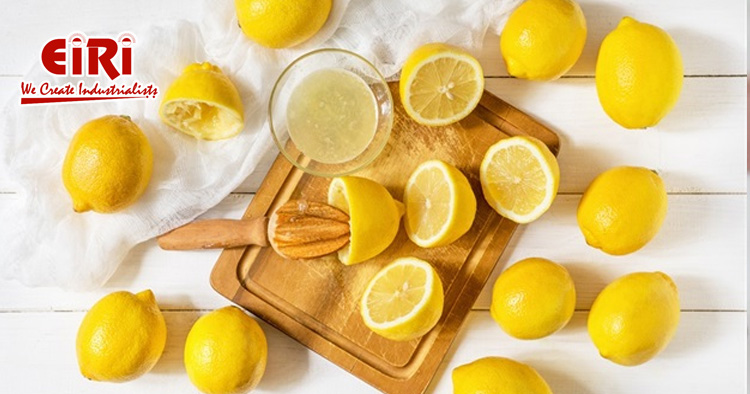
Lemons are one of the most versatile and widely used fruits in the world. Known for their vibrant flavor and numerous health benefits, lemons have been an integral part of culinary traditions, home remedies, and beauty routines for centuries. Beyond the fruit itself, a wide range of by-products are derived from lemons, including lemon juice, zest, essential oils, and more. This article explores the various uses of lemons and their by-products, highlighting their benefits, production processes, and applications in different industries.
The Lemon: A Nutritional Powerhouse
Nutritional Profile
Lemons are rich in vitamins, minerals, and antioxidants. A single lemon (approximately 58 grams) provides about 30 milligrams of vitamin C, which is 50% of the daily recommended intake. Lemons also contain small amounts of vitamin B6, potassium, and dietary fiber. The antioxidants in lemons, such as flavonoids, help combat oxidative stress and inflammation, contributing to overall health and well-being.
Health Benefits
- Immune Support: The high vitamin C content in lemons boosts the immune system, helping to protect against infections and illnesses.
- Digestive Health: Lemon juice aids digestion by stimulating the production of stomach acids and promoting healthy bowel movements.
- Skin Care: The antioxidants in lemons help reduce skin damage and aging, while the natural acidity can aid in treating acne and skin blemishes.
- Weight Management: Lemon water is often recommended for weight loss as it can increase feelings of fullness and support metabolism.
- Heart Health: The potassium in lemons helps regulate blood pressure, and the vitamin C supports overall cardiovascular health.
Lemon By-Products and Their Uses
Lemon Juice
Lemon juice is perhaps the most well-known by-product of lemons. It is widely used in cooking, baking, and beverages for its tart flavor and acidity.
- Culinary Uses: Lemon juice is a staple in salad dressings, marinades, sauces, and desserts. It adds a refreshing flavor to dishes and helps balance sweetness and richness.
- Preservative: The acidity of lemon juice makes it an effective natural preservative, preventing browning in cut fruits and vegetables.
- Beverages: Lemon juice is the main ingredient in lemonade and is also used to flavor water, teas, and cocktails.
Lemon Zest
Lemon zest, the outer peel of the lemon, contains essential oils that impart a strong, aromatic flavor.
- Culinary Uses: Zest is often used in baking, marinades, and dressings to add a burst of citrus flavor.
- Garnish: It serves as a vibrant garnish for dishes, enhancing both flavor and visual appeal.
Lemon Essential Oil
Lemon essential oil is extracted from the peel of the lemon through a process called cold pressing.
- Aromatherapy: Lemon oil is widely used in aromatherapy for its uplifting and energizing scent, which can improve mood and reduce stress.
- Cleaning Products: The antibacterial and antiviral properties of lemon oil make it a popular ingredient in natural cleaning products.
- Skincare: It is used in skincare products for its astringent and detoxifying properties, helping to treat oily skin and acne.
Lemon Pulp and Fiber
Lemon pulp, the fibrous part of the fruit, is often used in food products and supplements.
- Food Products: Lemon pulp can be added to jams, marmalades, and baked goods for added texture and fiber.
- Supplements: The fiber from lemon pulp is used in dietary supplements to promote digestive health.
Lemon Extract
Lemon extract is a concentrated form of lemon flavor, typically made by soaking lemon zest in alcohol.
- Flavoring: It is used in baking and cooking to impart a strong lemon flavor without the acidity of lemon juice.
Production Processes
Lemon Juice Production
The production of lemon juice involves several steps to ensure quality and flavor:
- Harvesting: Lemons are harvested when they reach optimal ripeness.
- Washing and Sorting: The lemons are thoroughly washed and sorted to remove any damaged or inferior fruits.
- Juicing: The lemons are then juiced using commercial juicers that extract the juice while minimizing contact with the peel to avoid bitterness.
- Filtration: The juice is filtered to remove any pulp and seeds.
- Pasteurization: To extend shelf life, the juice is pasteurized to kill any harmful bacteria.
- Packaging: The pasteurized juice is then packaged in bottles or cartons for distribution.
Lemon Oil Extraction
Lemon oil extraction typically involves cold pressing:
- Peeling: The lemons are peeled to obtain the outer zest, which contains the essential oils.
- Pressing: The zest is cold-pressed to extract the oil.
- Filtration: The extracted oil is filtered to remove any impurities.
- Bottling: The purified oil is bottled and stored for use in various applications.
Lemon Zest Processing
Processing lemon zest for culinary use involves:
- Peeling: Lemons are peeled to obtain the outer layer.
- Drying: The zest is dried to preserve its flavor and extend shelf life.
- Grinding: The dried zest is ground into a fine powder or left in larger pieces for different culinary uses.
- Packaging: The processed zest is packaged for sale.
Applications in Various Industries
Food and Beverage Industry
Lemons and their by-products are extensively used in the food and beverage industry for their flavor, preservative qualities, and nutritional benefits. Lemon juice, zest, and oil are common ingredients in a wide range of products, from beverages and desserts to savory dishes and snacks.
Cosmetic and Personal Care Industry
The cosmetic industry utilizes lemon essential oil and extracts for their astringent, antiseptic, and aromatic properties. These ingredients are found in skincare products, hair care items, and perfumes.
Cleaning Products
Lemon's natural antibacterial and antiviral properties make it a popular choice for eco-friendly cleaning products. Lemon oil and juice are used in disinfectants, detergents, and air fresheners.
Pharmaceutical Industry
Lemon by-products, particularly lemon oil and extract, are used in the pharmaceutical industry for their therapeutic properties. They are incorporated into medications, supplements, and topical treatments.
Challenges and Considerations
Seasonal Availability
Lemons are subject to seasonal availability, which can affect the production and cost of lemon by-products. Producers often need to source lemons from different regions to ensure a consistent supply.
Quality Control
Ensuring the quality and purity of lemon by-products is crucial, particularly for food and pharmaceutical applications. This involves rigorous testing and adherence to safety standards.
Environmental Impact
The production of lemon by-products can have environmental impacts, including water usage and waste generation. Sustainable practices and waste management are essential to minimize these effects.
Future Trends
Increased Demand for Natural Products
As consumers become more health-conscious and environmentally aware, the demand for natural and organic lemon by-products is expected to rise. This trend is likely to drive innovation in sustainable production methods and packaging.
Technological Advancements
Advancements in extraction and processing technologies are improving the efficiency and quality of lemon by-products. Innovations such as supercritical CO2 extraction are enhancing the purity and potency of lemon oil.
Expanding Applications
Research into the health benefits and uses of lemon by-products is expanding their applications in new industries, including nutraceuticals and biotechnology.
Conclusion
Lemons and their by-products offer a wealth of benefits and applications across various industries. From enhancing the flavor of foods and beverages to providing therapeutic and cleaning properties, the versatility of lemons is unmatched. As demand for natural and sustainable products grows, the lemon industry is poised for continued innovation and expansion. Whether you are a consumer, producer, or entrepreneur, understanding the full potential of lemons and their by-products can unlock numerous opportunities for health, enjoyment, and business success.