Kraft paper bags have gained significant popularity as an eco-friendly and sustainable alternative to plastic bags. Known for their durability, versatility, and recyclability, Kraft paper bags are widely used in retail, packaging, and industrial applications. This article provides a comprehensive overview of the Kraft paper bag manufacturing process, exploring the raw materials, production steps, advantages, applications, and future trends.
Kraft paper is a type of paperboard known for its high strength and tear resistance. It is made from chemical pulp produced in the Kraft process, which involves the chemical conversion of wood into wood pulp. The term "Kraft" comes from the German word for "strength," reflecting the paper's robust properties.
Raw Materials for Kraft Paper Manufacturing
The primary raw material for Kraft paper is wood, typically sourced from softwood trees such as pine, spruce, and fir. These trees are preferred due to their long fibers, which contribute to the paper's strength. In addition to wood, recycled paper can also be used in the production process to enhance sustainability.
Kraft Paper Manufacturing Process
The manufacturing of Kraft paper involves several stages, including pulping, washing, screening, and papermaking. Each stage is crucial to ensure the quality and strength of the final product.
1. Pulping
Pulping is the process of converting wood chips into pulp, which serves as the base material for Kraft paper. The Kraft process, also known as the sulfate process, is the most common method for pulping. Here’s an overview of the process:
- Wood Preparation: Logs are debarked and chipped into small pieces.
- Cooking: The wood chips are cooked in a chemical solution of sodium hydroxide (NaOH) and sodium sulfide (Na2S) at high temperature and pressure. This process breaks down the lignin, a natural adhesive that binds wood fibers together, releasing cellulose fibers.
- Washing: The pulp is washed to remove the spent chemicals and dissolved lignin.
- Screening: The pulp is screened to remove any remaining impurities and undigested wood particles.
2. Papermaking
Once the pulp is prepared, it undergoes a series of processes to form Kraft paper:
- Refining: The washed pulp is refined to improve fiber bonding and paper strength.
- Forming: The refined pulp is diluted with water to form a slurry, which is then spread onto a moving wire mesh to form a continuous sheet of paper.
- Pressing: The wet paper sheet is pressed to remove excess water and enhance fiber bonding.
- Drying: The pressed sheet is passed through heated rollers to remove any remaining moisture, resulting in a dry paper sheet.
- Calendering: The dried paper is passed through calender rolls to achieve the desired thickness and smoothness.
- Reeling: The finished Kraft paper is wound onto reels for further processing.
Kraft Paper Bag Manufacturing Process
The manufacturing of Kraft paper bags involves converting Kraft paper into bags of various shapes and sizes. This process includes printing, cutting, folding, and gluing. Here’s a detailed look at each step:
1. Printing
Before the Kraft paper is converted into bags, it often undergoes printing to add logos, brand names, and other designs. Flexographic printing is commonly used for this purpose due to its efficiency and ability to produce high-quality prints on Kraft paper. The printing process involves:
- Design Preparation: Digital designs are prepared and transferred onto printing plates.
- Ink Application: The printing plates are mounted onto the printing press, and ink is applied to the plates.
- Printing: The Kraft paper passes through the printing press, where the inked plates transfer the design onto the paper.
2. Cutting
Once printed, the Kraft paper is cut into sheets or rolls of the desired dimensions. This step is crucial for ensuring that the bags are of uniform size and shape.
3. Folding and Gluing
The cut paper sheets or rolls are then folded and glued to form the bag structure. This process can be done manually or using automated machines, depending on the scale of production. The steps involved include:
- Folding: The paper is folded along predefined lines to create the sides and bottom of the bag.
- Gluing: Adhesive is applied to the edges, and the folded sections are pressed together to secure the bag's structure.
- Bottom Formation: The bottom of the bag is folded and glued to ensure it can hold weight without tearing.
4. Finishing
The final step involves adding any additional features such as handles, reinforcements, or decorative elements. Handles can be made from twisted paper, ribbon, or string and are attached to the bag using adhesive or by punching holes and threading the handle material through.
Advantages of Kraft Paper Bags
Kraft paper bags offer several benefits over traditional plastic bags, making them a preferred choice for many businesses and consumers:
- Eco-Friendly: Made from renewable resources, Kraft paper bags are biodegradable and recyclable, reducing environmental impact.
- Durability: The high strength and tear resistance of Kraft paper make these bags suitable for carrying heavy items.
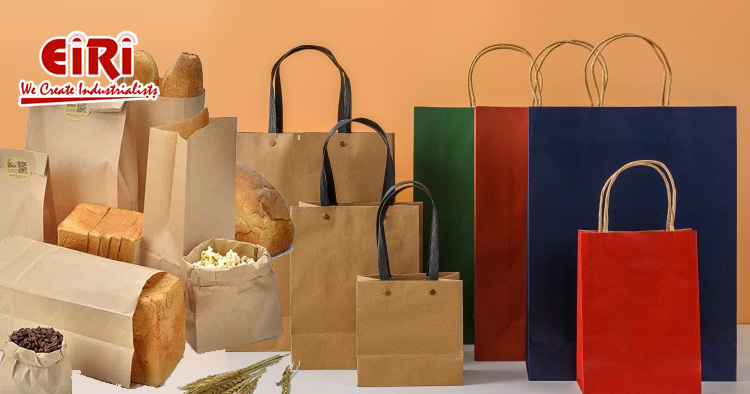
- Versatility: Available in various sizes, shapes, and designs, Kraft paper bags can be customized for different purposes.
- Aesthetic Appeal: The natural, rustic look of Kraft paper bags adds to their aesthetic appeal, making them popular for gift packaging and retail use.
- Branding Opportunities: High-quality printing options allow businesses to use Kraft paper bags as effective branding tools.
Applications of Kraft Paper Bags
Kraft paper bags are used in a wide range of applications across various industries:
- Retail: Widely used in grocery stores, boutiques, and shopping centers for packaging and carrying goods.
- Food Industry: Used for packaging food items such as bread, pastries, and takeout meals due to their food-safe properties.
- Gifts and Crafts: Popular for gift wrapping and crafting projects due to their aesthetic appeal and customizability.
- Industrial Use: Employed for packaging bulk materials, chemicals, and construction supplies due to their strength and durability.
- E-commerce: Increasingly used by online retailers for eco-friendly packaging and shipping solutions.
Future Trends in Kraft Paper Bag Manufacturing
The Kraft paper bag industry continues to evolve, driven by technological advancements and changing consumer preferences. Some future trends to watch include:
- Sustainable Innovations: Continued research and development into eco-friendly materials and production processes to further reduce the environmental impact of Kraft paper bags.
- Smart Packaging: Integration of smart technologies such as QR codes and RFID tags for enhanced tracking, marketing, and customer engagement.
- Customization: Increasing demand for personalized and custom-printed Kraft paper bags to cater to niche markets and individual preferences.
- Automation: Adoption of advanced automation technologies in the manufacturing process to improve efficiency, reduce costs, and maintain consistent quality.
- Regulatory Support: Growing support from governments and regulatory bodies for the use of sustainable packaging solutions, encouraging wider adoption of Kraft paper bags.
Conclusion
Kraft paper bags represent a sustainable, versatile, and cost-effective packaging solution with a wide range of applications. Understanding the manufacturing process, from raw material selection to the final product, provides insights into the factors that contribute to their popularity. As the demand for eco-friendly packaging continues to grow, innovations in Kraft paper bag manufacturing will play a crucial role in meeting consumer needs and advancing sustainability goals. By staying informed about industry trends and technological advancements, businesses can leverage the benefits of Kraft paper bags to enhance their packaging strategies and contribute to a greener future.