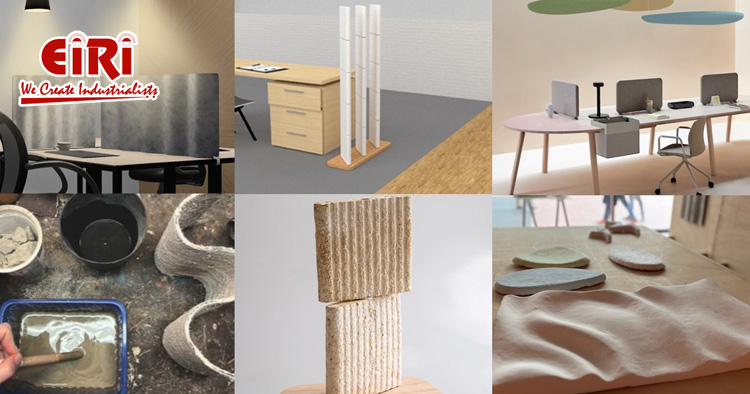
In the ever-evolving world of interior design and construction, gypsum products have carved a niche for themselves due to their versatility, durability, and aesthetic appeal. Among these products, gypsum ceiling tiles and decorative panels have emerged as highly sought-after options for enhancing interior spaces. This article explores the promising opportunities in manufacturing gypsum ceiling tiles and decorative panels, examining market trends, production techniques, and the potential for entrepreneurs in this lucrative sector.
According to industry reports, the global ceiling tiles market is projected to reach $11.21 billion by 2027, growing at a compound annual growth rate (CAGR) of 7.5% during the forecast period.
Gypsum is a naturally occurring mineral composed of calcium sulfate dihydrate. It is widely used in construction due to its fire-resistant properties, sound insulation capabilities, and ease of installation. Gypsum products are available in various forms, including plaster, boards, and tiles. In particular, gypsum ceiling tiles and decorative panels have gained popularity for their ability to transform spaces, offering both functional and aesthetic benefits. These products are commonly used in residential, commercial, and industrial settings, making them a staple in modern construction.
Market Trends and Demand
The demand for gypsum ceiling tiles and decorative panels is driven by several factors, including urbanization, increased disposable income, and a growing emphasis on interior aesthetics. As urban populations rise, there is a corresponding need for housing and commercial spaces, which fuels the construction industry. According to industry reports, the global ceiling tiles market is projected to reach $11.21 billion by 2027, growing at a compound annual growth rate (CAGR) of 7.5% during the forecast period.
Additionally, the trend towards sustainable and eco-friendly materials has led to an increased interest in gypsum products, as they are non-toxic and recyclable. Consumers are becoming more aware of the environmental impact of their choices, prompting a shift towards sustainable building materials. Gypsum products not only meet these sustainability criteria but also offer a wide range of design options, appealing to architects and interior designers looking for innovative solutions to enhance interior spaces.
Types of Gypsum Ceiling Tiles and Decorative Panels
Gypsum ceiling tiles come in various styles, textures, and finishes, making them suitable for diverse design concepts. Some popular types include:
- Plain Gypsum Ceiling Tiles: These tiles are smooth and typically painted or coated with a finish, making them ideal for minimalist designs.
- Textured Ceiling Tiles: These tiles feature embossed patterns that add depth and character to ceilings, catering to traditional and contemporary styles.
- Acoustic Ceiling Tiles: Designed to absorb sound, these tiles are ideal for commercial spaces like offices, theaters, and schools where noise reduction is essential.
- Decorative Panels: These panels can be customized with intricate designs, colors, and textures, allowing homeowners and designers to create unique focal points in interior spaces.
The versatility of gypsum products enables manufacturers to cater to a wide range of customer preferences, making it essential to stay updated on design trends and consumer demands.
Production Techniques
The manufacturing process for gypsum ceiling tiles and decorative panels involves several steps, each crucial to ensuring high-quality products. Here’s an overview of the production techniques:
- Raw Material Sourcing: The primary raw material for gypsum products is natural gypsum, which can be mined or obtained from synthetic sources, such as flue gas desulfurization (FGD) by-products from power plants. Sourcing high-quality gypsum is vital for ensuring the strength and durability of the final products.
- Gypsum Board Preparation: Gypsum is crushed and mixed with water and additives to create a slurry. This slurry is then poured onto a continuous paper sheet to form gypsum boards. The boards are subsequently cut into desired sizes and allowed to set.
- Drying: The gypsum boards undergo a drying process to remove excess moisture. This is typically achieved using industrial drying ovens, which ensure the boards reach the required moisture content for optimal performance.
- Shaping and Finishing: Once dried, the boards can be shaped into ceiling tiles and decorative panels. This may involve cutting, embossing, or applying surface treatments to enhance aesthetics. High-quality finishes and coatings are applied to improve durability and visual appeal.
- Quality Control: Throughout the manufacturing process, quality control measures should be implemented to ensure that products meet industry standards. This includes testing for strength, sound absorption, and fire resistance.
- Packaging and Distribution: Finally, the finished products are packaged for shipment. Proper packaging is crucial to protect the tiles and panels during transportation and storage.
Entry into the Gypsum Ceiling Tiles Market
For entrepreneurs looking to enter the gypsum ceiling tiles and decorative panels market, several factors should be considered to enhance their chances of success:
- Market Research: Conduct thorough market research to understand current trends, consumer preferences, and competitive landscapes. Identifying gaps in the market can help entrepreneurs position their products effectively.
- Business Plan Development: A well-structured business plan is essential for outlining goals, strategies, and financial projections. This plan should also detail the types of products to be offered, target markets, and pricing strategies.
- Regulatory Compliance: Ensure that the manufacturing facility complies with local building codes and safety regulations. Acquiring necessary permits and licenses is crucial to avoid legal issues and operate smoothly.
- Sustainability Practices: Emphasizing sustainable practices in sourcing raw materials and manufacturing processes can attract environmentally conscious consumers. Utilizing recycled materials and minimizing waste can enhance brand reputation.
- Marketing Strategies: Developing a strong marketing strategy is essential for reaching potential customers. Utilize digital marketing, social media, and collaborations with architects and interior designers to promote products.
- Distribution Channels: Establishing effective distribution channels is crucial for reaching the target market. Consider partnerships with retailers, wholesalers, and online platforms to expand market reach.
- Product Innovation: Continuously innovate and adapt to changing market demands. Offering customizable options, unique designs, and eco-friendly materials can set products apart from competitors.
Conclusion
The manufacturing of gypsum ceiling tiles and decorative panels presents a promising business opportunity in the construction and interior design sectors. With the growing demand for sustainable and aesthetically pleasing building materials, entrepreneurs can tap into this lucrative market by leveraging innovative production techniques and understanding market trends. By focusing on quality, sustainability, and customer preferences, new entrants can establish themselves as key players in the gypsum products industry. As the world continues to embrace design innovation and sustainable construction practices, the potential for profitability in gypsum ceiling tiles and decorative panels remains bright, making it an exciting avenue for aspiring entrepreneurs.