The manufacturing industry is undergoing a transformative shift driven by cutting-edge technologies like 3D printing, robotics, and artificial intelligence (AI). These innovations are not only improving the efficiency of production processes but also reshaping how products are designed, made, and delivered. From enhancing product customization to reducing operational costs, these technologies are redefining what is possible in the world of manufacturing.
In this article, we will delve into the key innovations in manufacturing technology, exploring how 3D printing, robotics, and AI are changing the landscape of the industry. These advancements are paving the way for more flexible, efficient, and sustainable manufacturing practices, offering new opportunities for businesses and manufacturers to stay competitive in an increasingly complex global market.
1. 3D Printing (Additive Manufacturing)
3D printing, also known as additive manufacturing, is one of the most revolutionary innovations in the manufacturing sector. It enables the creation of three-dimensional objects by layering materials based on digital models, allowing for the rapid prototyping and production of complex parts that would be difficult or impossible to create using traditional manufacturing methods.
Applications of 3D Printing in Manufacturing
- Rapid Prototyping: 3D printing allows manufacturers to create prototypes of products quickly and at a lower cost than traditional methods. This capability accelerates product development, reduces time-to-market, and allows for more design iterations before mass production.
- Customized Production: One of the most exciting benefits of 3D printing is its ability to produce highly customized products. Whether it's a unique part for a machine or a personalized consumer product, 3D printing can create made-to-order items without the need for expensive molds or tooling.
- Reduced Material Waste: Traditional manufacturing processes like casting and milling often result in a significant amount of waste material. 3D printing, on the other hand, uses only the material required for the object, leading to a more sustainable production process.
- On-Demand Production: 3D printing allows manufacturers to produce small batches of products as needed, reducing inventory costs and the need for large-scale mass production. This is especially useful for industries where demand is unpredictable or for spare parts that may only be required occasionally.
Challenges and Future of 3D Printing in Manufacturing
While 3D printing offers numerous advantages, it is still limited by factors like material selection, speed, and the size of objects that can be printed. However, with continued advancements in materials (such as metal, ceramics, and composites) and printing techniques, 3D printing is expected to become even more versatile and widespread in manufacturing, particularly in industries like aerospace, automotive, and healthcare.
2. Robotics in Manufacturing
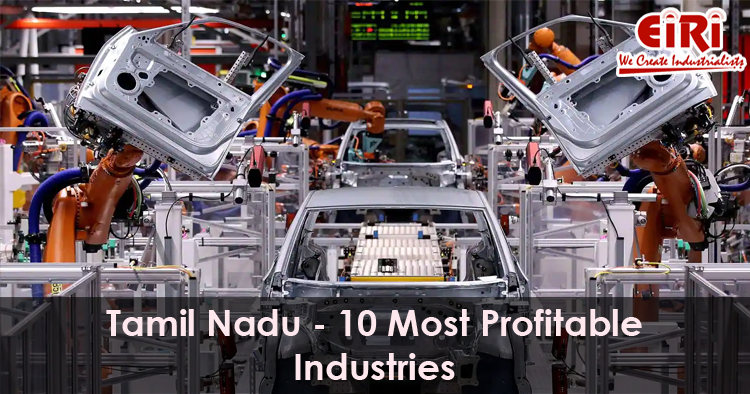
Robotics has been a staple in manufacturing for decades, but recent advances in robotics technology are taking automation to new heights. The integration of robotics into manufacturing processes has significantly improved precision, efficiency, and safety.
Applications of Robotics in Manufacturing
- Automation of Repetitive Tasks: Robots are particularly effective at performing repetitive and labor-intensive tasks, such as assembling parts, welding, painting, and packaging. This not only increases production speed but also reduces human error, leading to more consistent product quality.
- Collaborative Robots (Cobots): Unlike traditional robots, which operate in isolation from human workers, cobots are designed to work alongside humans in a shared workspace. Cobots assist with tasks like lifting heavy objects or performing complex assembly tasks, helping to increase productivity without the need for specialized safety equipment. The collaboration between humans and robots can also enhance worker safety by reducing the physical strain of manual labor.
- Precision and Quality Control: Robots are capable of performing tasks with extremely high precision, which is essential for industries like electronics and aerospace, where even small variations in product specifications can lead to failure. Robots can also perform detailed inspections, ensuring that products meet strict quality standards.
- Flexible Manufacturing: Modern robots are increasingly flexible, allowing manufacturers to reprogram them for different tasks. This flexibility makes robots suitable for small-batch production and customization, where quick changeovers are essential.
The Future of Robotics in Manufacturing
The future of robotics in manufacturing lies in the integration of advanced technologies like AI and machine learning, which will enable robots to learn from their environment and improve their performance over time. Additionally, the development of more affordable and user-friendly robots will allow smaller manufacturers to adopt automation, further democratizing access to these advanced tools.
3. Artificial Intelligence (AI) in Manufacturing
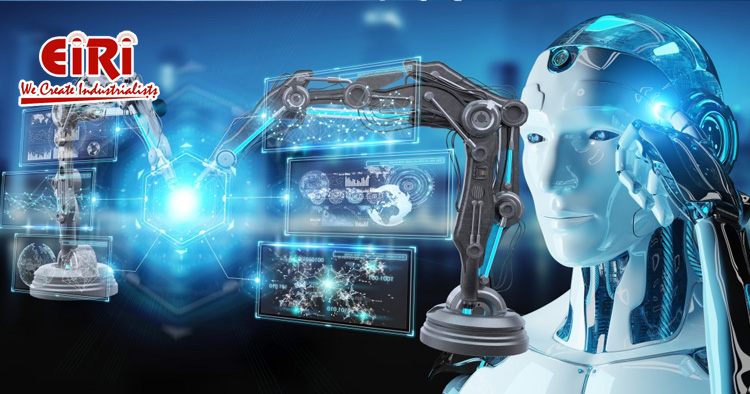
Artificial intelligence is transforming manufacturing by enabling machines to make smarter decisions, optimize processes, and improve overall efficiency. AI, in combination with data analytics, allows manufacturers to tap into vast amounts of information to drive innovation and enhance productivity.
Applications of AI in Manufacturing
- Predictive Maintenance: One of the most impactful uses of AI in manufacturing is predictive maintenance. By analyzing data from sensors embedded in machines, AI algorithms can predict when equipment is likely to fail, allowing manufacturers to perform maintenance before a breakdown occurs. This reduces downtime, extends the lifespan of equipment, and lowers maintenance costs.
- Supply Chain Optimization: AI can help optimize supply chain management by predicting demand, managing inventory, and identifying potential bottlenecks in the production process. This leads to more efficient production schedules, reduced lead times, and lower costs.
- Quality Control and Inspection: AI-powered vision systems are being used for automated quality control. These systems use cameras and sensors to inspect products for defects or deviations from specifications. AI algorithms can analyze the data in real-time, ensuring that only products that meet the required standards are shipped to customers.
- Production Scheduling: AI can optimize production schedules by analyzing historical data, machine performance, and supply chain variables. This helps manufacturers avoid production delays, improve resource allocation, and reduce waste.
The Role of Machine Learning in Manufacturing
Machine learning, a subset of AI, enables machines to learn from past data and improve their decision-making over time. In manufacturing, machine learning can be used to analyze large datasets from production lines, customer feedback, and market trends. This data-driven approach allows manufacturers to identify inefficiencies, forecast future demand, and adapt their production processes accordingly.
Machine learning algorithms can also improve the design of products by analyzing performance data from prototypes and identifying areas for improvement. This results in more optimized products that meet consumer needs and perform better in the marketplace.
4. Smart Manufacturing and the Industrial Internet of Things (IIoT)
The integration of AI, robotics, and 3D printing into smart manufacturing environments is further enhanced by the Industrial Internet of Things (IIoT). IIoT refers to the network of connected devices and machines that communicate with each other and share data in real time.
Benefits of Smart Manufacturing
Real-Time Monitoring and Data Analytics: With IIoT, manufacturers can monitor machines, equipment, and production lines in real time. This enables the detection of inefficiencies, equipment malfunctions, and supply chain disruptions before they escalate into bigger issues.
- Energy Efficiency: By using real-time data and AI-driven insights, smart factories can optimize energy consumption, reducing operational costs and minimizing the environmental impact of manufacturing operations.
- Flexibility and Customization: Smart manufacturing enables the customization of products in a cost-effective manner. With the integration of AI, robotics, and 3D printing, manufacturers can produce small batches of products tailored to customer specifications without compromising on efficiency.
- Improved Collaboration: Smart factories use connected systems that enable better collaboration between teams and across different stages of the production process. This leads to faster decision-making, improved communication, and enhanced overall productivity.
5. The Future of Manufacturing Technology
The future of manufacturing technology is driven by the convergence of several key trends, including AI, robotics, and 3D printing. The continued integration of these technologies will result in factories that are not only more efficient but also more sustainable and adaptable to changing market demands.
- Sustainability: As manufacturers look to reduce their environmental footprint, technologies like 3D printing and AI-powered optimization tools will help minimize waste, lower energy consumption, and reduce emissions. The development of sustainable materials and processes will play a crucial role in creating greener manufacturing operations.
- Personalization and Customization: The rise of technologies like 3D printing and AI will allow manufacturers to offer more personalized products at scale. This trend toward customization is expected to continue, particularly in industries like consumer goods, healthcare, and automotive.
- Integration and Interoperability: The future of manufacturing will involve greater integration between various technologies, including robotics, AI, 3D printing, and the IIoT. This seamless connectivity will enable manufacturers to create smarter, more efficient production lines that are capable of adapting to evolving consumer needs.
Conclusion
The innovations in manufacturing technology—such as 3D printing, robotics, and AI—are revolutionizing the way products are designed, produced, and delivered. These technologies are not only enhancing operational efficiency and reducing costs but also paving the way for more sustainable and customized production. As the manufacturing sector continues to embrace these advancements, the possibilities for innovation are endless, leading to a new era of smarter, more efficient, and more sustainable manufacturing practices.
Manufacturers who adopt these technologies will be better positioned to compete in a rapidly changing global market, meet consumer demands for customized products, and contribute to a more sustainable future.