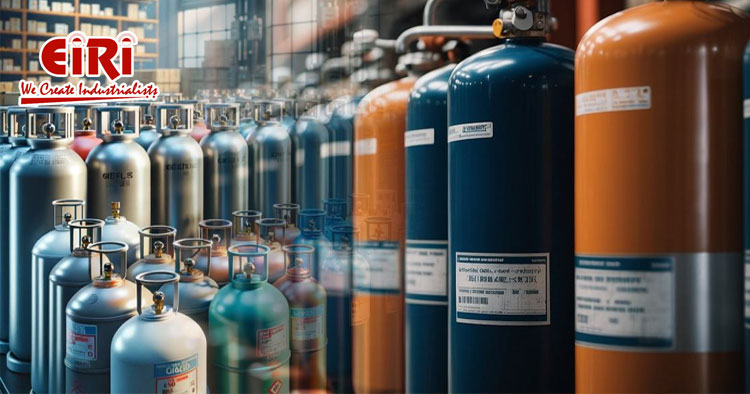
Industrial gases are critical to a wide range of industries and sectors, serving as essential components in production processes, energy generation, food preservation, healthcare, and many other applications. The manufacturing of industrial gases involves complex processes and cutting-edge technologies designed to meet the rigorous demands of modern industries. This article provides an in-depth exploration of the industrial gas manufacturing business, highlighting the types of gases produced, the technologies and processes involved, and the significant role they play in various industrial applications.
Industrial gases refer to a broad category of gases that are manufactured for use in industrial applications. These gases are often produced in large quantities and are sold in liquid or gaseous form. Some of the most commonly produced industrial gases include oxygen, nitrogen, hydrogen, carbon dioxide, argon, helium, and acetylene. These gases are utilized across diverse sectors including manufacturing, electronics, healthcare, chemicals, and food processing.
Each gas has its own unique properties and applications. For instance, oxygen is essential in combustion processes, steel manufacturing, and in the medical field for patient care. Nitrogen is widely used for inerting, blanketing, and cooling applications in industries like food packaging, chemical production, and electronics. Hydrogen is critical in refining processes, energy storage, and fuel cells, while carbon dioxide is used in carbonated beverages, refrigeration, and enhanced oil recovery operations.
The Industrial Gas Manufacturing Process
The production of industrial gases involves various methods, depending on the type of gas being manufactured. One of the most common methods used in industrial gas production is air separation. Air is a rich source of gases like nitrogen, oxygen, and argon, and air separation technology is employed to extract these gases in their pure form.
The air separation process typically involves cooling air to extremely low temperatures, allowing the gases to condense into liquid form. This process, known as cryogenic distillation, separates the components of air based on their differing boiling points. Once separated, the gases are purified and stored either in liquid form or compressed into gas cylinders for distribution.
Hydrogen is another important industrial gas that is commonly produced through steam methane reforming (SMR). This process involves reacting natural gas with steam at high temperatures to produce hydrogen and carbon monoxide. The hydrogen is then purified for use in various industrial applications.
Carbon dioxide is usually produced as a by-product of other industrial processes such as ammonia production, fermentation, or combustion. Once captured, the carbon dioxide is purified, compressed, and stored for later use in industries such as food and beverage, chemical manufacturing, and refrigeration.
Quality Control and Safety in Industrial Gas Manufacturing
Quality control is critical in the manufacturing of industrial gases, as even minor impurities can have significant effects on the efficiency and safety of industrial processes. Gases used in industries like electronics, healthcare, and food processing must meet stringent purity standards to ensure the quality and safety of the products and services they are involved in.
Sophisticated analytical instruments are used to monitor and control the composition of industrial gases during the production process. For example, gas chromatographs, mass spectrometers, and moisture analyzers are employed to ensure that the gases meet the required purity levels and that any contaminants are identified and removed.
Safety is also paramount in the manufacturing, handling, and transportation of industrial gases. Many industrial gases, such as oxygen, hydrogen, and acetylene, are flammable or explosive under certain conditions. Others, like nitrogen and carbon dioxide, can pose asphyxiation risks in confined spaces. Proper storage and handling procedures, along with the use of specialized containers and safety equipment, are essential to minimize the risk of accidents.
Industrial gas manufacturers must comply with strict safety regulations and industry standards to ensure that their operations are safe for workers, the environment, and end users. Regular safety audits, training programs, and risk assessments are conducted to ensure that the highest safety standards are maintained throughout the production and distribution process.
Applications of Industrial Gases
Industrial gases play a vital role in a wide range of industries, making them indispensable to modern industrial processes. Some of the key industries that rely heavily on industrial gases include:
- Manufacturing and Metalworking: Oxygen and acetylene are commonly used in welding and cutting operations in the manufacturing and metalworking industries. Oxygen helps to improve combustion efficiency, while acetylene provides the high-temperature flame needed for cutting and welding metals. Nitrogen is also used in annealing processes to create inert environments, preventing oxidation during heat treatment.
- Healthcare: In the medical field, oxygen is used for respiratory therapy and life support, especially in hospitals and emergency care settings. Nitrous oxide, commonly known as laughing gas, is used as an anesthetic in dental and surgical procedures. Additionally, medical-grade nitrogen and carbon dioxide are used for cryogenic preservation and in minimally invasive surgeries.
- Food and Beverage: The food and beverage industry relies on industrial gases for a range of applications. Nitrogen is used in food packaging to create an inert atmosphere that extends shelf life by preventing oxidation. Carbon dioxide is used to carbonate beverages and in refrigeration processes. Industrial gases are also used in the freezing of perishable food products.
- Chemicals and Petrochemicals: Industrial gases are essential in the production of chemicals and petrochemicals. Hydrogen is used in refining processes such as hydrocracking and desulfurization to produce cleaner fuels. Oxygen is used in the production of chemicals like ethylene oxide and propylene oxide. Nitrogen is used to create inert environments during chemical reactions, preventing unwanted side reactions.
- Energy and Power Generation: Industrial gases like hydrogen and oxygen play a growing role in the energy sector. Hydrogen is being explored as a clean energy carrier in fuel cells, which can generate electricity without harmful emissions. Industrial gases are also used in enhanced oil recovery techniques, where carbon dioxide is injected into oil wells to improve extraction rates.
- Electronics and Semiconductor Manufacturing: The electronics industry requires ultra-pure gases like nitrogen, hydrogen, and helium for the production of semiconductors, flat-panel displays, and solar cells. These gases help create controlled atmospheres during the manufacturing process, ensuring the quality and performance of electronic components.
Challenges in Industrial Gas Manufacturing
Despite the critical importance of industrial gases, the industry faces several challenges. One of the primary challenges is the high energy consumption involved in the production of gases through processes like air separation and steam methane reforming. As industries strive to reduce their carbon footprint, there is increasing pressure on industrial gas manufacturers to adopt more energy-efficient and sustainable production methods.
Another challenge is the fluctuating prices of raw materials, particularly natural gas, which is a key input in hydrogen production. Volatile energy prices can significantly impact the cost of producing industrial gases, making it difficult for manufacturers to maintain stable pricing for their customers.
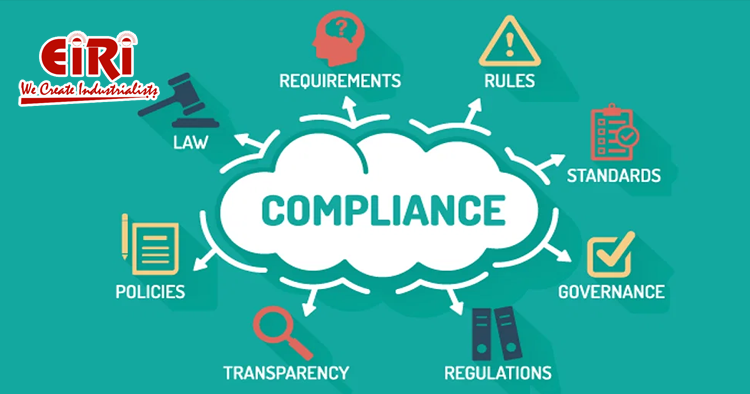
Furthermore, the industrial gas industry is highly regulated, and manufacturers must comply with a complex array of environmental, safety, and transportation regulations. Ensuring compliance with these regulations requires ongoing investment in equipment, personnel training, and monitoring systems, which can add to the overall cost of production.
The Future of Industrial Gas Manufacturing
The industrial gas manufacturing industry is poised for growth, driven by increasing demand from key sectors such as healthcare, electronics, and energy. The transition to cleaner energy sources, including hydrogen fuel cells and renewable energy storage, is expected to create new opportunities for industrial gas producers. As industries worldwide adopt more sustainable practices, the demand for high-purity gases and advanced gas solutions will continue to rise.
In response to growing environmental concerns, many industrial gas manufacturers are investing in technologies to reduce their carbon footprint. This includes the development of carbon capture and storage (CCS) solutions, as well as exploring renewable energy sources to power gas production facilities.
Moreover, innovations in gas separation and purification technologies are expected to improve the efficiency and sustainability of industrial gas production. Advances in cryogenics, membrane technology, and electrolysis are all areas of active research and development that hold promise for the future of the industry.
Conclusion
Industrial gas manufacturing is a cornerstone of modern industry, providing essential gases that support a wide range of applications across various sectors. From healthcare and food production to energy and electronics, industrial gases play a pivotal role in enabling innovation and improving efficiency. Despite the challenges of high energy consumption and regulatory pressures, the industry continues to evolve, with new technologies and sustainable practices paving the way for future growth. As demand for cleaner energy solutions and high-quality industrial gases increases, the industrial gas manufacturing business is well-positioned to remain a key player in the global industrial landscape.