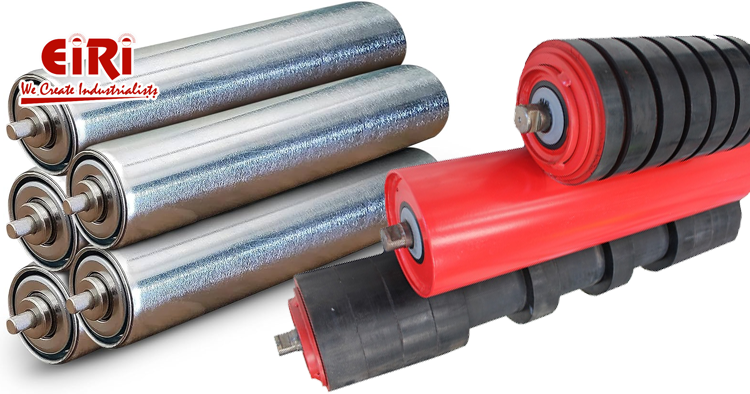
Idler Rollers are cylindrical components positioned along the conveyor frame, providing support and facilitating the smooth movement of the conveyor belt. Their primary function is to reduce friction, support the weight of the conveyed material, and maintain proper tension in the belt.
The global Idler Rollers market is anticipated to achieve a 6.6% Compound Annual Growth Rate (CAGR) by 2028, the global Idler Rollers market has been undergoing rapid expansion due to surging demand in recent years.
In the dynamic world of material handling, efficiency and reliability are paramount. Among the unsung heroes of conveyor systems are Idler Rollers, an essential component ensuring the seamless movement of materials in various industries. Let's delve into the intricacies of Idler Rollers and understand their critical role in enhancing conveyor performance.
Idlers, or rollers, play a crucial role in the conveyance process, providing essential support to the conveyor belt and the conveyed material. Their presence ensures the prevention of stretching, sagging, and potential failures along the entire length of the conveyor. Operating in challenging environments characterized by dirt, dust, high humidity, and extreme temperatures, conveyor rollers and idlers demand robust engineering. Custom-designed idlers, tailored to specific requirements, are available to meet diverse needs. Notably, our patented energy-saving idlers contribute significantly to reducing power consumption, aligning with our commitment to a Planet Positive approach. Conveyor idlers, catering to varied industry applications, uphold the stable operation of conveyor belts.
Types of Idler Rollers:
- Troughing Idlers: Designed to handle bulk materials and convey them in a trough-shaped configuration.
- Impact Idlers: Engineered to absorb impact and protect the conveyor belt from damage during the loading of heavy materials.
- Return Idlers: Positioned to support the return side of the conveyor belt and maintain tension.
Importance of Idler Rollers:
Load Support:
Idler Rollers play a pivotal role in supporting the weight of the conveyed material. Properly selected and aligned idlers prevent sagging and ensure efficient load distribution.
Reducing Friction:
By minimizing the contact surface between the belt and the roller, idlers contribute to lower friction, allowing the conveyor system to operate with reduced energy consumption and wear.
Belt Alignment and Tracking:
Well-designed idler configurations aid in keeping the conveyor belt aligned and properly tracked. This prevents lateral movement, reducing the risk of damage and extending the life of the belt.
Factors Influencing Idler Roller Performance:
Material Selection:
Idler Rollers are manufactured from various materials, including steel, rubber, and high-density plastics. The choice of material depends on factors such as load capacity, environmental conditions, and the type of conveyed material.
Roller Diameter and Pitch:
The diameter and pitch (spacing between idlers) significantly impact performance. Larger diameters and proper pitch ensure smoother operation, reduce belt flex fatigue, and increase the lifespan of the conveyor system.
Maintenance and Best Practices:
Regular Inspection:
Routine inspections of idler rollers are crucial to identify wear, misalignment, or damage. Prompt replacement of worn-out rollers prevents disruptions in conveyor performance.
Lubrication:
Proper lubrication of idler bearings reduces friction, minimizes wear, and enhances the overall efficiency of the conveyor system. The lubrication frequency depends on the application and environmental conditions.
Materials used for manufacturing Idlers
Idlers, integral to conveyor systems, play a pivotal role in maintaining operational efficiency. Steel idlers, renowned for their robustness, offer unparalleled strength and durability, making them ideal for heavy-duty applications. Rubber-covered idlers provide shock absorption, ensuring a gentler impact on conveyed materials, enhanced traction, and reduced operational noise. High-density plastic idlers, resistant to corrosion and lightweight, are suitable for diverse environments. Composite idlers, crafted from materials like fiberglass and resin, strike a balance between strength and flexibility. Choosing the right idler material depends on factors like load capacity, environmental conditions, and specific application requirements.
Here's a detailed overview of the materials commonly used for manufacturing idlers, including steel, rubber, and high-density plastics:
Steel Idlers:
Material: Steel is a robust and durable material commonly used for manufacturing idlers. The steel idlers provide strength and stability to conveyor systems.
Advantages:
- Excellent Strength: Steel idlers exhibit high tensile strength, making them suitable for heavy-duty applications.
- Durability: Resistant to wear and tear, steel idlers have a longer lifespan in demanding environments.
- Load Bearing: Ideal for conveying heavy materials and bulk loads.
Rubber Idlers:
Material: Rubber-covered idlers feature a steel or other sturdy material core covered with a rubber layer. The rubber coating provides enhanced grip and impact resistance.
Advantages:
- Shock Absorption: Rubber's natural elasticity helps absorb shocks, reducing impact on conveyed materials.
- Traction: The rubber surface offers better traction, preventing slippage of the conveyor belt.
- Noise Reduction: Rubber idlers contribute to quieter operation compared to some metal counterparts.
High-Density Plastic Idlers:
Material: High-density plastics, such as UHMW (Ultra-High-Molecular-Weight Polyethylene), are increasingly used in idler construction.
Advantages:
- Corrosion Resistance: Plastic idlers are resistant to corrosion, making them suitable for humid or corrosive environments.
- Lightweight: High-density plastics are lighter than steel, reducing the overall weight of the conveyor system.
- Low Friction: UHMW plastic, in particular, offers low friction, minimizing wear and tear on the conveyor belt.
Composite Idlers:
Material: Composite materials, combining elements like fiberglass and resin, offer a balance of strength and flexibility.
Advantages:
- Weight-to-Strength Ratio: Composite idlers provide a favorable weight-to-strength ratio, ensuring durability without excessive weight.
- Corrosion Resistance: Resistant to corrosion, composite materials are suitable for various environmental conditions.
- Impact Resistance: Composite idlers can absorb impact forces, protecting both the conveyor system and conveyed materials.
Selecting the appropriate idler material depends on factors like the application, environmental conditions, load capacity, and specific requirements of the conveyor system. Manufacturers often offer a range of idlers with different materials to cater to diverse industry needs.
Idler Rollers Market Overview
The Idler Rollers Market is poised for significant growth, anticipating exponential market expansion at a remarkable CAGR from 2023 to 2030.
The surge in demand for Idler Rollers is driven by widespread applications in industries such as Industrial, Mining, and Automotive on a global scale. The market's rapid expansion in recent years can be attributed to factors like the availability of high-quality products at competitive prices, continuous design innovations, and the development of new materials for idler roller production. The comprehensive Global Idler Rollers Market report provides a holistic assessment, covering key segments, trends, drivers, restraints, competitive landscape, and influential factors shaping the market. Idler rollers, also known as conveyor rollers, play a crucial role in supporting and facilitating the smooth movement of materials along conveyor belts, enhancing efficiency in various industrial applications.
In material handling, idler rollers perform a silent yet indispensable role. Their design, material selection, and proper maintenance directly impact the efficiency, longevity, and reliability of conveyor systems. Recognizing the importance of idler rollers is key to optimizing material handling processes and ensuring the smooth flow of goods in industries ranging from mining and manufacturing to logistics and beyond.