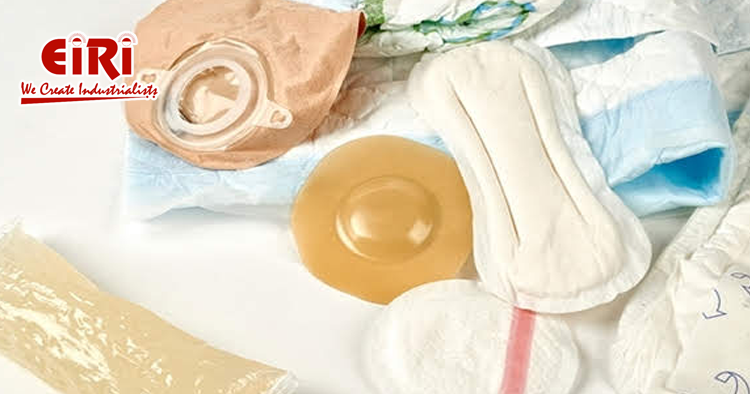
In the realm of personal care and hygiene products, a quiet yet indispensable hero plays a pivotal role in ensuring comfort, protection, and reliability. These unsung heroes are none other than hygiene adhesives, the adhesive materials that discreetly secure the layers and components of products such as diapers, sanitary napkins, adult incontinence pads, and countless other essential items in our daily lives.
While often hidden from view, hygiene adhesives are the glue that holds together the technology and design of modern disposable hygiene products. They are responsible for providing the reliable bonds that keep these products functional and leak-proof, offering users peace of mind and comfort. But there is more to the story than what meets the eye.
The world of hygiene adhesives is a fascinating blend of science, innovation, and engineering precision. Behind every secure diaper seam or snug-fitting sanitary pad is a carefully crafted adhesive solution designed to meet stringent performance, safety, and comfort standards. As the demand for disposable hygiene products continues to grow, so does the need for advanced adhesives that can keep pace with evolving user expectations and environmental sustainability goals.
Introduction about Hygiene Adhesives
Hygiene adhesives, also known as medical adhesives or adhesives for hygiene products, are specialized adhesive materials used in the manufacturing of various hygiene products, primarily disposable products designed for personal care and hygiene. These adhesives play a crucial role in bonding different layers of materials in products like diapers, sanitary napkins, adult incontinence products, and other disposable hygiene items.
Here are some key points about hygiene adhesives:
- Application: Hygiene adhesives are applied in specific areas of hygiene products to provide structural integrity, bonding between layers, and secure product components. They are used to attach the absorbent core to the outer layers, secure elastic components, and provide a barrier to prevent leakage.
- Types: There are various types of hygiene adhesives available, including hot melt adhesives, pressure-sensitive adhesives (PSAs), and more. The choice of adhesive depends on the specific requirements of the product and the manufacturing process.
- Performance: Hygiene adhesives are designed to perform under challenging conditions, such as exposure to moisture, body fluids, and extended wear. They must maintain their adhesive properties even when the product is subjected to various stresses.
- Comfort: These adhesives are formulated to be comfortable for the wearer, with features like breathability and skin-friendliness. They should not cause irritation or discomfort to the user.
- Regulations: Hygiene adhesives are subject to regulatory standards and requirements, particularly when they come into direct contact with the skin or body. Adhesive manufacturers must ensure their products comply with relevant regulations.
- Sustainability: With increasing environmental concerns, there is a growing interest in developing eco-friendly and biodegradable hygiene adhesives to reduce the environmental impact of disposable hygiene products.
- Innovation: The hygiene industry continues to innovate in terms of adhesive technology to enhance the performance of products, reduce waste, and improve overall user experience.
Overall, hygiene adhesives are a critical component of disposable hygiene products, contributing to their functionality and effectiveness in providing comfort and protection to users. These adhesives are continuously evolving to meet changing consumer preferences and regulatory requirements.
Applications used with Hygiene Adhesives
Hygiene adhesives find application in a wide range of hygiene and personal care products, primarily disposable items designed for personal hygiene, comfort, and convenience. These adhesives play a crucial role in bonding different components and layers within these products. Here are some common applications of hygiene adhesives:
Diapers (Baby and Adult):
- Construction: Hygiene adhesives are used to bond the layers of diaper components, including the absorbent core, backsheet, and topsheet.
- Elastic Attachment: They secure elastic components, such as waistbands and leg cuffs, to ensure a snug fit and prevent leakage.
- Sealing: Adhesives are applied to create seams and seals that keep the diaper structure intact and prevent leakage.
Sanitary Napkins/Pads:
- Attachment: Adhesives are used to secure the absorbent core to the topsheet and backsheet.
- Wings: For sanitary napkins with wings, adhesives are applied to attach the wings to the sides of the napkin.
Incontinence Products (Adult Diapers and Pads):
- Layer Bonding: Hygiene adhesives bond the various layers, including the absorbent core, acquisition layer, and waterproof backing, to maintain product integrity.
- Elastic Components: They secure elastic leg gathers and waistbands to provide a comfortable and leak-proof fit.
Feminine Hygiene Products (Tampons, Liners, and Menstrual Pads):
- String Attachment: Adhesives may be used to attach the withdrawal string to tampons.
- Layer Bonding: Similar to sanitary napkins, adhesives bond the layers of menstrual pads and liners.
Underpads and Bed Liners:
- Layer Bonding: For disposable underpads and bed liners used in healthcare settings, adhesives are employed to bond the layers and ensure fluid containment.
Baby Wipes and Personal Care Wipes:
- Sealing: Hygiene adhesives are used to seal the packaging of baby wipes and personal care wipes, ensuring they remain moist until use.
Medical and Surgical Drapes and Dressings:
- Adhesive Dressings: In medical applications, hygiene adhesives are used in adhesive dressings and medical tapes to secure wound dressings and provide a barrier.
Incontinence Briefs and Pull-Ups:
- Elastic Attachment: Similar to adult diapers, adhesives secure elastic components in incontinence briefs and pull-up products.
Nursing Pads:
- Layer Bonding: Adhesives bond the absorbent core, moisture barrier, and soft topsheet in nursing pads.
Other Personal Care Products:
- Panty Liners: For feminine hygiene, adhesives are used in the construction of panty liners.
- Cosmetic Patches: In some cosmetic applications, adhesives are used in patches, such as acne treatment patches and anti-aging patches.
These applications demonstrate the versatility and importance of hygiene adhesives in various products that require secure bonding, comfort, and protection. Adhesive selection is tailored to each application's specific requirements, such as adhesion to different substrates, moisture resistance, and skin-friendliness. The use of adhesives in these products helps maintain their structural integrity and functionality, ensuring user comfort and hygiene.
Shaping the Future: Hygiene Adhesives Market Trends
The world of hygiene adhesives is in a state of dynamic evolution, driven by shifting market trends and changing consumer demands. One of the prominent and rapidly growing segments within this landscape is the application of hygiene adhesives in baby care products, particularly absorbent sanitary baby diapers. The interplay of various factors is reshaping this market, presenting both challenges and opportunities for manufacturers and stakeholders.
A Global Perspective
While the dominance of North American and European regions in the baby diapers market is well-established, a significant shift is underway. The Asia-Pacific region, with its soaring birth rates, is expected to become a powerhouse in this sector. The average birth rate in developing markets has surged to approximately 16.6%, outpacing the growth in developed markets at 11.2%. This demographic shift is the driving force behind the accelerating expansion of the baby diapers market in Asia-Pacific.
The Rise of Baby Care
Several factors converge to fuel the growth of the baby care industry. Increased awareness about child hygiene and the changing dynamics of family structures, including a growing number of working parents, have spurred demand. Furthermore, the increasing spending power of individuals in emerging markets is contributing to the upsurge in the sales of baby care products.
A Parental Imperative: Child Hygiene
At the heart of this growth is the unwavering parental concern for the hygiene and well-being of their children. As awareness about the importance of baby hygiene continues to rise, so does the demand for premium and high-quality baby care products. In today's world, where information is easily accessible, parents are making informed choices about the products they use for their children.
Diapers by the Numbers
The numbers paint a vivid picture of the diaper market's scale. Globally, there were a staggering 135,132,602 newborn babies in 2021. During their first year of life, a newborn typically consumes around 8 to 9 diapers per day, translating to approximately 3100 diapers in a year. As children grow older, their diaper usage decreases to 5-6 diapers a day for those aged 1 to 2 years, and further to 3-4 diapers for kids aged 2 to 3 years.
Market Leaders
In this bustling baby care segment, market leaders have emerged. Pampers, a product of Procter & Gamble Hygiene & Health Care Ltd., claims a significant share of the diapers market. It is closely followed by Mamypoko, a creation of Uni-Charm Corp., and Huggies, a product of Kimberly-Clark Lever Ltd. These brands have established themselves as trusted names in the realm of baby care.
Charting the Path Forward
As the global population continues to grow, and as parental awareness about child hygiene becomes more pronounced, the hygiene adhesives market in the baby care segment is poised for substantial growth. Manufacturers are gearing up to meet the increasing demand for products that prioritize the comfort, safety, and hygiene of the youngest members of our society.