Toys have been an integral part of human culture for centuries, offering entertainment, education, and imaginative play. In the modern age, the toy industry has witnessed a revolution in manufacturing techniques, and one method that stands out is injection molding. In this comprehensive guide, we will delve into the fascinating world of plastic toy manufacturing through injection molding, exploring the process, advantages, and key players in the industry.
Toys are not just playthings; they are portals to imagination, creativity, and endless adventures. Behind every beloved toy lies a fascinating world of design, engineering, and manufacturing. If you've ever dreamed of venturing into the toy manufacturing business, you're in for an exhilarating journey. In this comprehensive guide, we will unravel the intricacies of toy manufacturing, with a special focus on injection molding as the driving force behind crafting those cherished playthings.
Manufacturing of Plastic Toys
The production of plastic toys has evolved significantly, with injection molding emerging as a prominent method. Injection molding involves injecting molten plastic material into a mold cavity, allowing it to cool and solidify, resulting in a wide array of toy shapes and sizes.
Injection Molding: The Backbone of Toy Manufacturing
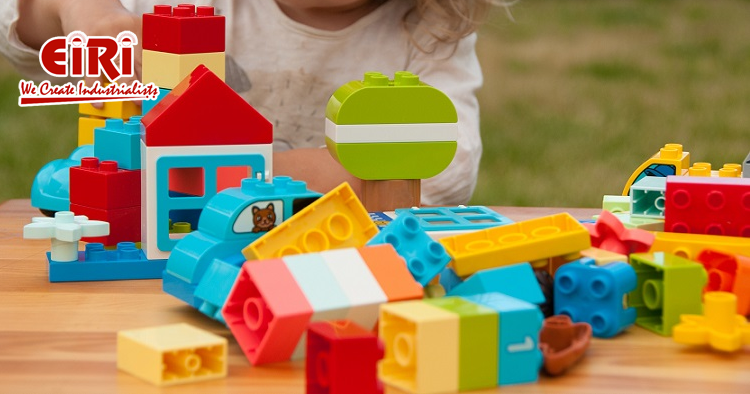
The world of toy manufacturing is as diverse as the imaginations of the children it serves. From action figures that battle intergalactic villains to building blocks that construct towering cities, the possibilities are limited only by creativity. Aspiring toy manufacturers embark on a quest to turn their ideas into tangible delights, and the path to this enchanting realm often leads through the doors of injection molding.
Injection molding, an engineering marvel, is the cornerstone of modern toy manufacturing. This sophisticated process involves the transformation of molten plastic into intricately designed toy components through precision molds. While the concept might sound complex, its advantages are undeniable, making it the preferred choice for producing toys of all shapes, sizes, and complexities.
CLICK HERE for Complete Technology Handbook On Toys Production (Plastic, Wooden, STEM, Battery-Operated, Paper, Soft, Puzzles) With Detailed Manufacturing Process And Project Profiles
Why Should You Choose Injection Molding Toys?
Advantages of Injection Molding Toys
Precision:
Imagine a toy with intricate details, smooth surfaces, and consistent quality. Injection molding makes this vision a reality. With unmatched precision, it ensures that every toy emerges from the mold as an identical twin, adhering to the design with unwavering accuracy. This uniformity not only elevates the aesthetic appeal of toys but also guarantees that they function as intended.
Efficiency:
Efficiency is the lifeblood of toy manufacturing, and injection molding excels in this domain. It boasts rapid production rates, minimizing production time and maximizing output. Additionally, minimal material wastage further enhances efficiency, ensuring that each piece of plastic is used to its fullest potential.
Versatility:
In the world of toys, diversity reigns supreme. Whether it's action figures, dolls, board game pieces, or intricate playsets, injection molding adapts to the demands of creativity. Its adaptability allows manufacturers to craft an array of toys, each with its unique design and purpose.
How Does The Toy Manufacturing Process Actually Work?
- Mold Casting: It all begins with the creation of a mold. Toy designers and engineers meticulously craft a mold, which serves as the blueprint for the final product.
- Injection Molding: Molten plastic is injected into the mold cavity, where it takes on the desired shape as it cools and solidifies.
- Plastic Toy Injection Molding: This specialized form of injection molding focuses on producing plastic toys with intricate details and textures.
- Rotational Molding: Ideal for large, hollow toys like playground equipment, this process involves rotating the mold while heating the plastic.
- Spray Painting and Hand Painting: Toys often undergo paint applications to enhance their appearance, requiring skilled artisans for hand-painted details.
- Assembly: Multiple toy components are assembled, ensuring they meet quality standards.
- Toy Packaging: Attractive and informative packaging completes the production process.
The Birth of a Toy: From Concept to Creation
Turning an idea for a toy into a tangible masterpiece involves a meticulously orchestrated process. It all begins with a concept—the spark of inspiration that ignites the journey. Toy designers and engineers then collaborate to refine the concept, sculpting it into a detailed blueprint that encapsulates every aspect of the toy's form and function.
With the blueprint in hand, the next step is mold casting. Craftsmen meticulously create molds that serve as the foundation for the toy's production. These molds, often crafted with remarkable precision, determine the toy's shape, texture, and intricacies.
The magic truly unfolds during the injection molding phase. Molten plastic material is injected into the mold cavity, taking on the form envisioned by the designers. As the plastic cools and solidifies within the mold, it captures every detail, resulting in a toy that mirrors the initial concept.
But the journey doesn't end there. Toys may undergo additional processes like painting to enhance their appearance. Some require hand-painted details, showcasing the skill and artistry of artisans who breathe life into these creations. Toys are then assembled, ensuring that they meet stringent quality standards.
Finally, they are carefully packaged, ready to embark on their journey to the eager hands of children around the world.