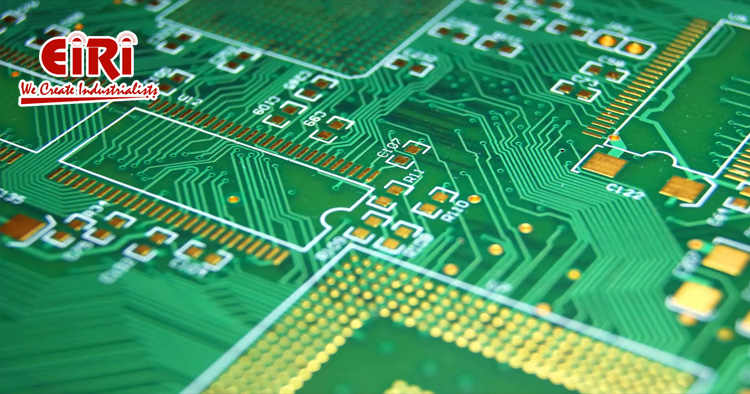
Printed Circuit Boards (PCBs) are the backbone of modern electronics, serving as the foundation for countless electronic devices we rely on daily. From smartphones and computers to medical equipment and automotive systems, PCBs play a crucial role in enabling the functionality of electronic devices. In recent years, the demand for PCBs has surged, driven by advancements in technology, the proliferation of IoT devices, and the rise of electric vehicles. For entrepreneurs looking to venture into the PCB business, understanding the intricacies of this dynamic industry is essential. In this comprehensive guide, we'll delve into the various aspects of starting and navigating a successful PCB business.
The PCB market is projected to grow from USD 76.12 billion in 2024 to USD 93.87 billion by 2029, with a CAGR of 4.28%.
The rapid growth of the market stems from the ubiquitous presence of printed circuit boards (PCBs) in modern electronic devices, facilitating size reduction and cost-effectiveness. Functioning as a crucial electronic component, PCBs facilitate the assembly of various electronic parts and enhance circuit interconnection, earning them the moniker "mother of electronic products." Current trends in electronic products, including 5G, the Internet of Things (IoT), Internet of Vehicles, industrial IoT, and artificial intelligence, underscore the pivotal role played by PCBs in driving technological advancements.
Despite the maturing demand for electronics, the sales of consumer electronics witnessed a notable decline until the end of FY 2023, attributed to factors like inflation, subdued consumer demand, and macroeconomic uncertainties. This decline translated into reduced orders for PCBs due to the stagnation in global demand for smartphones and tablets in 2023. However, with expectations of renewed momentum in 2024, the demand for PCBs is anticipated to regain traction.
Advancements in electronic component miniaturization have facilitated the development of compact and portable computer devices that are highly portable. These lightweight devices, with their robust processing capabilities, are increasingly becoming wearable, as their components can be seamlessly integrated into items like clothing and bags, enabling users to carry them conveniently for extended periods. Consequently, the demand for PCBs continues to surge, driven by the escalating needs of diverse end-user industries, including smartphones, tablets, laptops, and gaming consoles, thus underlining the indispensable role of PCBs in meeting the evolving requirements of modern electronic devices.
Learn more about Future of Printed Circuit Board (PCB) Manufacturing and Assembly
Understanding the PCB Industry:
Before diving into the PCB business, it's crucial to grasp the dynamics of the industry. The PCB market is characterized by its global reach, with key players spread across regions such as Asia-Pacific, North America, and Europe. The market is segmented based on factors like product type (single-sided, double-sided, multi-layered), substrate material (FR-4, flexible, rigid-flex), and end-user industry (consumer electronics, automotive, aerospace, healthcare). Keeping abreast of industry trends, technological advancements, and market demands is essential for staying competitive in the PCB business.
The realm of Printed Circuit Board (PCB) Assembly Market encompasses the manufacturing and assembly processes vital for creating printed circuit boards, essential components within electronic devices. Serving as the backbone of electronic systems, PCBs facilitate the interconnection of various electronic elements such as resistors, capacitors, and integrated circuits. With applications spanning across diverse industries including consumer electronics, automotive, aerospace, healthcare, and telecommunications, the market holds paramount significance in the electronics sector. The ongoing demand for more advanced electronics characterized by compact, highly functional devices has been a driving force behind the expansion of the PCB Assembly Market, necessitating continuous evolution in PCB design, manufacturing techniques, and assembly methodologies to meet the evolving needs of contemporary electronic applications.
Comprising crucial segments like bare PCB manufacture, assembly services, and PCB design services, the PCB assembly market caters to a wide array of requirements within the electronics industry. PCB fabrication involves the creation of the physical circuit board, while PCB design focuses on the layout and schematic design of the circuit. The final stage, PCB assembly, entails the attachment of electronic components to the PCB through soldering processes. In a competitive landscape characterized by numerous raw material suppliers, manufacturers, and assembly service providers, quality control emerges as a paramount consideration in ensuring the reliability and performance of electronic devices. Governed by stringent regulations and standards emphasizing precision, durability, and adherence to safety protocols, the PCB Assembly Market is poised for sustained growth propelled by technological advancements and the evolving landscape of the electronics industry, particularly the increasing demand for smaller, yet more potent electronic devices.
Printed Circuit Board (PCB) Market Trends
The consumer electronics sector dominates the PCB market, driven by demands for compact, durable devices. Flexible PCBs are increasingly integrated into electronics to enhance durability and functionality, particularly in smartphones. With smartphone subscriptions expected to rise, the demand for advanced PCBs will continue to grow.
- Consumer Electronics Segment Dominance: PCBs are favored for portable consumer electronics due to their compact size and lightweight properties. The reliance on well-designed PCBs has driven the efficiency of the assembly industry, optimizing various devices like smartphones, televisions, laptops, and gaming consoles.
- Advancements in Consumer Electronics: With evolving consumer preferences, there's a demand for durable, high-speed devices with extended battery life. Flexible PCBs, known as flex circuit boards, address these needs by enabling installation around corners and bends with minimal wiring, enhancing device durability and functionality.
- Rigid-Flex PCB Integration: The integration of rigid-flex PCBs in folded mobile phones is on the rise, supporting bending mechanisms without compromising device functionality. This trend is driven by advancements in smartphone technologies and the increasing adoption of smartphones worldwide.
- Growth Drivers: Ericsson's data indicates a substantial increase in smartphone subscriptions globally, with China, India, and the United States leading in numbers. Despite sales plateauing in 2022, rising smartphone prices are expected to bolster the market's growth in the coming years.
How to Start PCB Manufacturing Business
Starting a PCB manufacturing business requires careful planning, technical expertise, and a solid understanding of the electronics industry. Here's a comprehensive guide on how to embark on this venture:
- Market Research and Feasibility Study:
Begin by conducting thorough market research to assess the demand for PCBs in various industries such as consumer electronics, automotive, aerospace, healthcare, and telecommunications. Identify your target market and analyze the competition. Additionally, conduct a feasibility study to evaluate the viability of your PCB manufacturing business, considering factors such as initial investment, operational costs, and potential profitability. - Business Plan Development:
Develop a detailed business plan outlining your objectives, target market, manufacturing process, sales and marketing strategies, financial projections, and growth potential. Your business plan will serve as a roadmap for your PCB manufacturing venture and will be essential for securing funding from investors or financial institutions. - Legal and Regulatory Compliance:
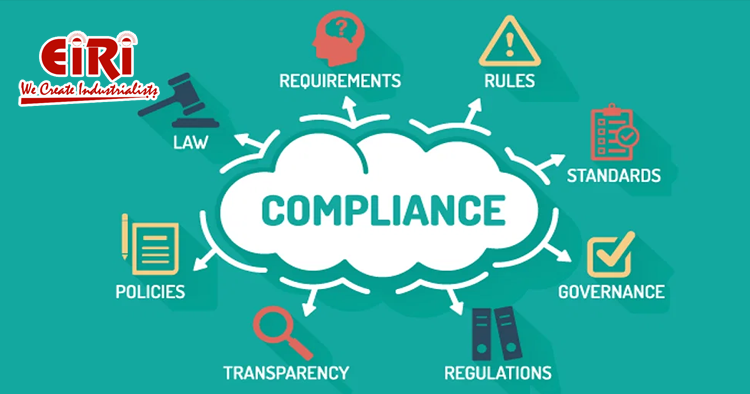
Familiarize yourself with the regulatory requirements and industry standards governing PCB manufacturing. Obtain necessary permits, licenses, and certifications to ensure compliance with environmental regulations, safety standards, and quality control protocols. Adhering to these regulations is crucial for maintaining the integrity and reliability of your PCBs and for building trust with your customers. - Infrastructure and Equipment Setup:
Set up a manufacturing facility equipped with state-of-the-art machinery and equipment required for PCB fabrication, assembly, and testing. Invest in high-quality materials, chemicals, and components sourced from reliable suppliers. Ensure that your facility meets industry standards for cleanliness, safety, and efficiency. - Recruitment and Training:
Hire skilled technicians, engineers, and production staff with experience in PCB manufacturing. Provide comprehensive training programs to ensure that your team is proficient in operating the equipment, following manufacturing processes, and maintaining quality standards. Foster a culture of continuous learning and improvement to stay ahead in the competitive PCB manufacturing industry. - Quality Control and Testing:
Implement stringent quality control measures at every stage of the manufacturing process to ensure the reliability and performance of your PCBs. Invest in advanced testing equipment and procedures to detect any defects or inconsistencies in the final product. Conduct thorough inspections and quality audits to maintain consistency and meet customer specifications. - Sales and Marketing Strategies:
Develop effective sales and marketing strategies to promote your PCB manufacturing business and attract customers. Establish strong relationships with electronics manufacturers, OEMs, and other industry stakeholders. Leverage digital marketing channels, trade shows, and industry events to showcase your capabilities and expand your customer base. - Customer Satisfaction and Support:
Prioritize customer satisfaction by delivering high-quality PCBs on time and providing excellent customer support. Build long-term relationships with your clients by understanding their needs, offering personalized solutions, and addressing any issues promptly. Continuously seek feedback from customers to identify areas for improvement and enhance your services. - Continuous Innovation and Adaptation:
Stay abreast of the latest technological advancements and industry trends in PCB manufacturing. Invest in research and development to innovate new products, improve existing processes, and stay competitive in the market. Be adaptable and responsive to changes in customer preferences, market demands, and regulatory requirements. - Financial Management and Growth Strategies:
Manage your finances prudently by tracking expenses, optimizing costs, and maintaining healthy cash flow. Develop growth strategies to expand your PCB manufacturing business, such as diversifying your product offerings, entering new markets, or forming strategic partnerships. Continuously monitor your financial performance and adjust your strategies accordingly to achieve sustainable growth and success in the PCB manufacturing industry.
Conclusion:
Venturing into the Printed Circuit Board (PCB) business offers immense opportunities for entrepreneurs to capitalize on the growing demand for electronic components in various industries. By understanding the nuances of the PCB industry, developing a robust business model, prioritizing quality and compliance, fostering innovation, optimizing supply chain management, and implementing effective marketing strategies, entrepreneurs can establish and grow successful PCB businesses poised for long-term success in the ever-evolving electronics market.