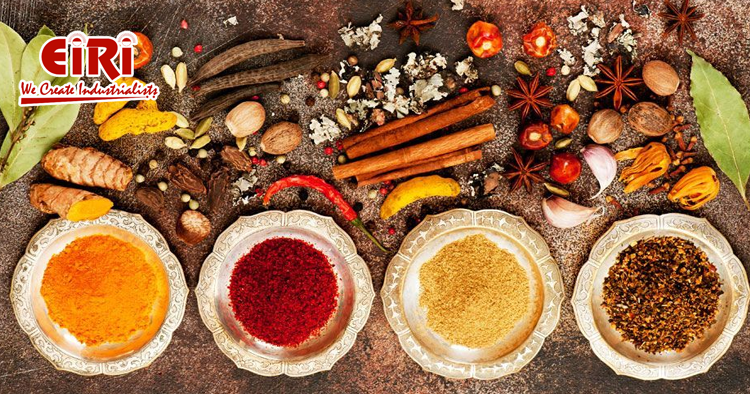
The spices and masala industry in India holds immense potential for entrepreneurs looking to venture into the food sector.
Starting a spices/masala business in India requires a keen understanding of the market landscape, consumer preferences, and industry dynamics. India's reputation as the "Land of Spices" underscores the immense potential and demand for quality spices both domestically and internationally. Entrepreneurs entering this sector must conduct thorough market research to grasp the nuances of consumer preferences, regional variations, and emerging trends.
A robust business plan is essential for navigating the complexities of the spices/masala industry. This plan should encompass key aspects such as market analysis, target demographics, product offerings, distribution channels, and marketing strategies. Entrepreneurs should leverage market insights to identify niche opportunities, differentiate their offerings, and develop a unique value proposition. Moreover, a well-defined business plan serves as a roadmap for securing funding, managing resources, and achieving long-term growth objectives.
Product development lies at the heart of a successful spices/masala business. Entrepreneurs should focus on creating high-quality, authentic blends that resonate with consumers' tastes and preferences. This may involve sourcing premium ingredients, experimenting with diverse flavor profiles, and adhering to stringent quality standards. Additionally, customization options, such as organic, gluten-free, or preservative-free variants, can cater to niche market segments and enhance brand appeal. By prioritizing innovation and product differentiation, entrepreneurs can position their spices/masalas as premium offerings in a competitive market landscape.
Market Analysis of Spices Business:
Before diving into the business, it's essential to conduct thorough market research to understand the demand, competition, and consumer preferences in the spices and masala industry. India has a rich culinary heritage, and spices are an integral part of Indian cuisine. The domestic market for spices is vast, with consumers seeking high-quality, authentic, and flavorful spices for their cooking needs. Additionally, there is a growing trend towards organic and natural products, presenting opportunities for niche offerings in the market. Moreover, the global demand for Indian spices is also on the rise, opening avenues for export opportunities.
In the past, acquiring Indian spices was a perilous endeavor, drawing traders and invaders across centuries. Today, India's spice trade thrives, with exports exceeding 300 billion rupees in the fiscal year 2022. The top 10 importers of Indian spices during Apr-Oct 2022 included China, the US, Vietnam, and others. Mint products, chilli, and spice oils topped the list of exported spices, amounting to US$ 3.34 billion in total exports.
With spices deeply ingrained in Indian households, the market shows robust growth, reaching a staggering 160,669.3 Crores annually. This lucrative sector offers promising returns even with low investment, making it accessible for individuals, including those interested in home-based spice production. Notably, Indian spice exports witnessed significant gains in both value and volume during 2021-22, reflecting an 11% increase in volume and 14% in rupee terms, with a 1% rise in dollar value compared to the previous year.
Business Planning:
Once you have a clear understanding of the market dynamics, it's time to develop a comprehensive business plan. Your business plan should outline your goals, target market, product range, sourcing strategy, marketing plan, and financial projections. Determine whether you want to focus on a specific segment of the market, such as organic spices, specialty blends, or regional varieties. Consider the scale of operations and whether you'll be manufacturing your own blends or sourcing from suppliers.
Licensing & Regulatory Compliance
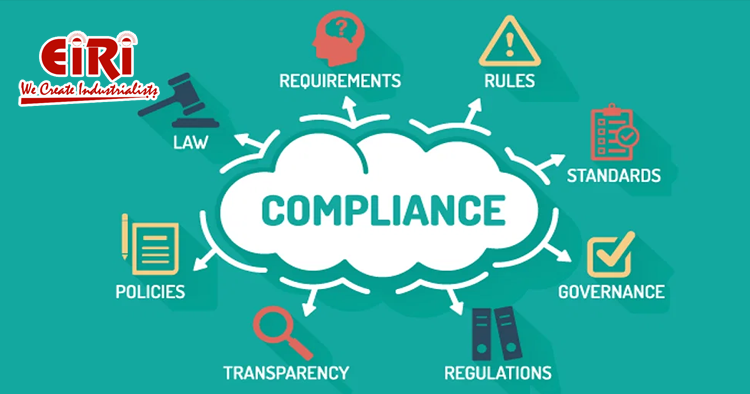
Ensure compliance with food safety regulations, labeling requirements, and quality standards mandated by regulatory authorities such as the Food Safety and Standards Authority of India (FSSAI). Obtain the necessary licenses and permits to operate your spices/masala business legally and avoid any legal complications. Implement stringent quality control measures and maintain meticulous records of sourcing, production, and distribution processes to uphold industry standards and consumer trust.
- Firm Registration: Depending on the business scale, whether it's a private limited company, partnership, or sole proprietorship, the firm must be registered accordingly.
- GST Registration: Obtaining a GST number is essential, as it is a mandatory requirement.
- SME Registration: Small and Medium Enterprises (SMEs) can register themselves to avail facilities and subsidies offered by the state government.
- Trade License: Obtain a trade license to operate legally.
- FSSAI Registration: Registration with the Food Safety and Standards Authority of India (FSSAI) is mandatory for ensuring food safety standards.
- Trademark Application: Applying for a trademark protects the brand identity.
- BIS Certification: Certification from the Bureau of Indian Standards (BIS) ensures product quality and compliance.
- IEC: Import Export Code (IEC) is required for businesses engaged in importing or exporting goods.
- AGMARK Certification: While not mandatory, obtaining AGMARK certification is advisable for quality assurance.
Product Development:
The success of your spices/masala business hinges on the quality and variety of your products. Invest time in developing unique spice blends and masalas that cater to the preferences of your target market. Experiment with different combinations of spices to create signature blends that set your brand apart. Ensure that your products meet quality standards and adhere to food safety regulations. Consider factors such as packaging, labeling, and shelf life to enhance the appeal and longevity of your products.
Sourcing and Procurement:
The key to producing high-quality spices is sourcing premium raw materials. Establish relationships with reliable suppliers, farmers, and spice traders who can provide you with fresh and authentic spices. Consider partnering with local farmers or cooperatives to procure directly from the source, ensuring traceability and fair trade practices. Conduct regular quality checks and inspections to maintain the integrity of your supply chain and minimize the risk of contamination or adulteration.
Manufacturing and Production:
Depending on the scale of your operations, you may choose to set up your own manufacturing facility or outsource production to third-party manufacturers. If you opt for in-house production, invest in quality equipment and facilities to ensure efficient processing and packaging of spices. Implement strict quality control measures and hygiene standards to maintain the purity and freshness of your products. Alternatively, partnering with contract manufacturers can help streamline production and reduce overhead costs, especially for small-scale businesses.
To kickstart a masala or spice business, you'll need the right machines and equipment. Here's what you'll require:
- Spice grinder: This machine grinds whole spices into fine powder. There are various types like hammer mills, impact mills, and roller mills.
- Spice mixer: Blend different spices with this machine. A good mixer is vital for creating custom spice blends.
- Weighing scale: Essential for accurately weighing spices. A high-quality scale ensures correct pricing.
- Packaging machine: Seal spices in airtight containers to maintain freshness and quality.
- Conveyor belt: Move spices between machines, especially in large-scale operations.
- Dust collector: Collect dust and particles from the air, ensuring clean spices.
- Air conditioner: Keep the workspace cool and dry to prevent mold and bacteria growth.
Marketing and Branding:
Effective marketing and branding are essential for creating awareness and driving sales in the competitive spices market. Develop a strong brand identity that reflects your company's values, mission, and unique selling propositions. Leverage digital marketing channels such as social media, e-commerce platforms, and your website to reach your target audience and showcase your products. Invest in visually appealing packaging and labeling that communicates the quality and authenticity of your spices. Consider participating in food fairs, trade shows, and culinary events to network with industry professionals and showcase your offerings.
Distribution and Sales:
Establishing a robust distribution network is crucial for reaching your target customers and expanding your market presence. Explore various distribution channels such as retail stores, supermarkets, specialty food shops, and online marketplaces to maximize your reach. Consider partnering with distributors, wholesalers, or grocery chains to access a wider customer base and streamline logistics. Additionally, offering home delivery services or selling directly to consumers through your website can help capture niche markets and build brand loyalty.
5 Strategies to Boost Masala Business Profits
- Diversify Your Market: Explore selling your masalas to industrial units for use in making pickles, chutneys, and snacks. Additionally, tap into foreign markets by exporting your spices. However, remember to obtain an IEC (Import-Export Code) for international trade.
- Expand Customer Base: While homemakers are traditional customers, consider targeting hotels, railways, and army canteens as well. These establishments have a high demand for spices and can significantly boost your sales.
- Start Small, Think Big: Begin your masala business as a cottage industry from home. This allows you to minimize overhead costs, such as renting a space, while building a loyal customer base in your neighborhood. Once established, you can scale up your operations.
- Partnerships: Collaborate with caterers to supply your masalas for events like weddings and birthdays. By partnering with caterers, you can reach a wider audience and increase your sales volume.
- Focus on Quality: Ensure that your masalas are of superior quality to attract and retain customers. Invest in sourcing the finest ingredients and maintaining high standards of production to build a reputation for excellence in the market.
Conclusion:
Starting a spices/masala business in India requires careful planning, product innovation, and strategic marketing. By understanding the market dynamics, sourcing premium ingredients, and focusing on quality, authenticity, and branding, entrepreneurs can carve a niche in this lucrative industry. With the right approach and dedication, a spices/masala business has the potential to thrive and become a household name in India and beyond.