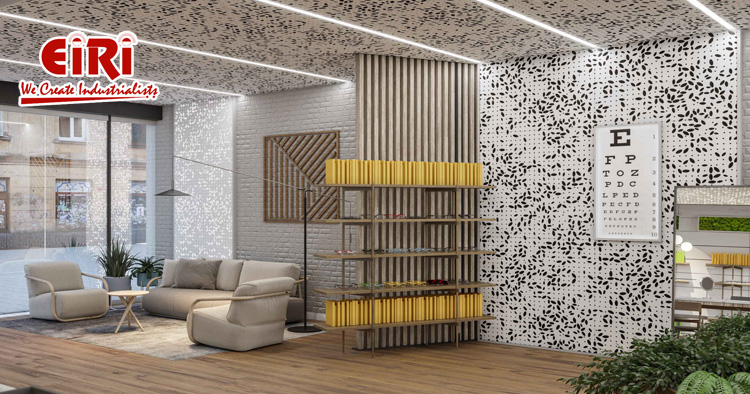
In the construction industry, gypsum board, commonly known as drywall, has become an essential material due to its durability, fire resistance, and ease of installation. Gypsum board is used extensively in residential, commercial, and industrial buildings for walls and ceilings, making it a highly sought-after construction material. With the demand for quality and eco-friendly building materials on the rise, starting a gypsum board manufacturing business can be a lucrative opportunity for new entrepreneurs. This article explores key areas of the gypsum board manufacturing industry, including market demand, machinery requirements, production processes, and practical tips for entering this profitable sector.
Understanding Market Demand
The demand for gypsum board has been growing steadily due to increasing construction activities, population growth, and rising standards in the housing and real estate industries. Gypsum board has become the preferred choice over traditional plaster and lath due to its ease of installation, reduced labor costs, and the ability to create smooth and durable surfaces. Additionally, it provides soundproofing and insulation properties, making it a versatile material suitable for various environments, including homes, offices, schools, and industrial facilities.
Several factors are driving the market demand for gypsum board, such as urbanization, increased awareness of sustainable construction materials, and growth in the DIY sector. Environmentally conscious consumers and companies often opt for gypsum boards because they are recyclable and have a lower carbon footprint compared to other building materials. Additionally, the demand for fire-resistant materials in construction has propelled the popularity of gypsum boards, as they are naturally non-combustible and provide an extra layer of safety in buildings.
Countries with booming construction sectors, such as China, India, and parts of the Middle East and Africa, represent significant markets for gypsum board. These regions are seeing rapid infrastructure growth, which translates into a continuous demand for building materials. For entrepreneurs, entering the gypsum board manufacturing industry at this time can be advantageous, as demand shows no sign of waning.
Machinery and Equipment for Gypsum Board Manufacturing
Setting up a gypsum board manufacturing unit requires specific machinery to handle the entire production process, from raw material preparation to final product packaging. The choice of equipment will depend on the scale of production and your budget, but there are certain essential machines for efficient gypsum board production.
- Firstly, a calcining machine or rotary kiln is essential to convert raw gypsum into calcined gypsum. This step involves heating gypsum to release any water molecules, resulting in a dry and powdery material. The calcined gypsum, also known as stucco, is the primary ingredient used in gypsum board production.
- Next, you will need a mixing system, where additives and water are combined with calcined gypsum to create a slurry. This mixture is the foundation for creating the board, so precise control over the water-to-gypsum ratio is crucial. Automatic mixers are typically used to ensure a consistent blend and avoid manual errors that could impact the board’s quality.
- A forming machine is necessary for shaping the gypsum slurry into board form. The slurry is spread between two layers of paper or fiberglass mats, creating a continuous sheet that is later cut into boards. Automated forming machines allow for a smooth, even spread and the precise thickness required for quality gypsum boards.
- Drying ovens or kilns are essential for curing the boards, removing any excess moisture, and hardening them for durability. This drying stage is a crucial step as it impacts the final strength and weight of the board. Typically, drying involves a combination of convection and radiant heat to ensure even and efficient drying across all boards.
- Finally, cutting and packaging machines are required to trim the boards to specific dimensions and wrap them for distribution. Packaging is particularly important for maintaining the boards’ integrity during transit and preventing damage from moisture or handling.
Investing in quality machinery is essential to produce high-quality gypsum boards that meet industry standards. Many equipment suppliers offer complete production lines specifically designed for gypsum board manufacturing, which can streamline the setup process and help ensure consistency in production.
The Production Process for Gypsum Board Manufacturing
The gypsum board manufacturing process can be divided into several stages, each requiring precision and adherence to standards to produce durable, fire-resistant boards suitable for construction use. Let’s go through each stage in detail to understand how raw gypsum transforms into a finished board.
The production process starts with the acquisition and preparation of raw gypsum. Once sourced, the gypsum is crushed and ground into a fine powder. This powder is then calcined, meaning it’s heated in a kiln to remove moisture and create stucco, the base material for gypsum boards.
Once calcined, the gypsum powder is transferred to a mixer, where it is combined with water and other additives to create a slurry. Additives can vary depending on the desired properties of the final product, such as enhanced fire resistance or improved sound insulation. Once mixed, the slurry is ready for the forming stage, where it is sandwiched between two layers of paper or fiberglass mats. This step defines the board’s structure, with the slurry evenly spread to the desired thickness.
The formed board is then conveyed to a drying kiln, where it undergoes controlled heating to remove any excess moisture and ensure that the board hardens properly. The drying process is crucial for achieving the final board strength and dimensional stability. After drying, the boards are cut into specific dimensions and then packaged for shipping.
Quality control measures, such as thickness checks, weight assessments, and surface quality inspections, are implemented throughout the production line to ensure that each board meets industry standards. By investing in efficient machinery and adhering to a strict production process, manufacturers can produce gypsum boards that cater to the varying demands of the construction sector.
Tips for Entering the Construction Materials Market with Gypsum Boards
Entering the gypsum board market requires a strategic approach that includes thorough market research, understanding customer needs, and effective branding. Since the construction materials market is competitive, new manufacturers must identify their unique selling points to stand out. Here are some tips to help you establish a foothold in the gypsum board industry:
- Firstly, emphasize product quality and safety. Gypsum boards are often chosen for their fire resistance, durability, and insulation properties. Highlighting these benefits in marketing materials can help attract customers who prioritize quality and safety for their projects. Obtaining certifications from recognized bodies or adhering to industry standards can add credibility and make your products more appealing to clients.
- Focusing on eco-friendly manufacturing processes and sustainable sourcing is also essential. As environmental awareness grows, many customers prefer products that are sustainably produced. Using recycled paper for board liners or sourcing raw gypsum from certified suppliers can enhance your brand’s reputation as an environmentally responsible manufacturer. Consider pursuing green certifications or aligning with eco-friendly organizations to further boost your brand’s appeal.
- Building relationships with distributors and retailers is essential to reach a broader market. Establish partnerships with suppliers, construction companies, and hardware stores to ensure your products are readily available to end-users. Offering competitive pricing, reliable delivery schedules, and responsive customer service can help you build a solid reputation in the market.
- Lastly, investing in customer education can set your brand apart. Gypsum board buyers, including contractors and DIY enthusiasts, appreciate knowledge about the product’s features, benefits, and installation methods. Providing instructional videos, brochures, or on-site training for large clients can make your brand a trusted resource in the industry.
Conclusion
Starting a gypsum board manufacturing business offers an opportunity to tap into a growing market with a versatile product that is essential for modern construction. With an understanding of market demand, investment in the right machinery, and adherence to quality production processes, entrepreneurs can create a profitable and sustainable business in the gypsum board sector. This industry requires commitment to quality, knowledge of market trends, and a focus on customer needs to succeed. By offering high-quality gypsum boards, emphasizing sustainable practices, and building strong customer relationships, new entrants can build a strong presence in the construction materials market, meeting the demand for safe, durable, and eco-friendly building materials.