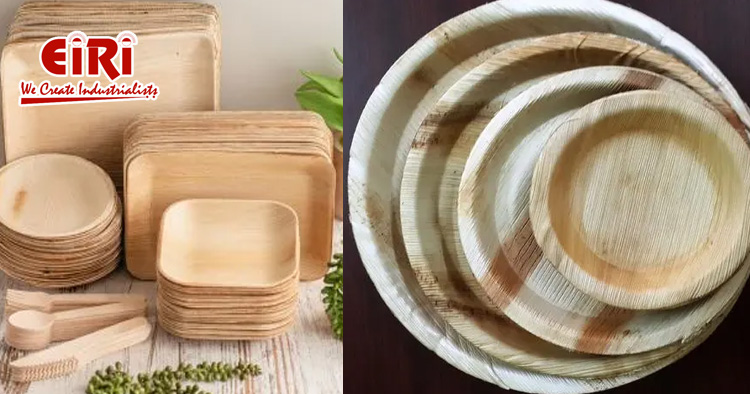
With increasing global awareness about environmental sustainability, the demand for compostable tableware has surged. Traditional plastic tableware contributes significantly to pollution and takes hundreds of years to decompose. Compostable alternatives, made from biodegradable materials like sugarcane bagasse, cornstarch, bamboo, and palm leaves, offer an eco-friendly solution. Entrepreneurs entering this industry can capitalize on the growing shift towards sustainable living and government regulations restricting single-use plastics.
Market Demand and Growth Potential
The market for compostable tableware is expanding as consumers, businesses, and governments seek sustainable alternatives to conventional plastic products. Restaurants, catering services, corporate cafeterias, and households are increasingly adopting compostable plates, cups, and utensils. Countries implementing strict environmental policies and plastic bans are driving further demand. Innovations in biodegradable materials and improved production processes continue to enhance product quality, opening new opportunities for manufacturers.
Types of Compostable Tableware and Their Applications
Compostable tableware is available in different materials, each with unique characteristics:
- Sugarcane Bagasse Tableware: Made from the fibrous residue left after extracting juice from sugarcane, this material is durable, heat-resistant, and compostable.
- Cornstarch-based Tableware: Derived from renewable plant starch, cornstarch products are lightweight and can be molded into various shapes, making them ideal for disposable utensils and plates.
- Bamboo Tableware: Bamboo is a fast-growing, renewable resource that produces sturdy and reusable tableware.
- Palm Leaf Tableware: Naturally fallen palm leaves are molded into plates and bowls, offering an organic and biodegradable option without requiring additional chemicals.
Understanding these materials helps manufacturers cater to different market preferences and regulatory requirements.
Setting Up the Manufacturing Unit
Establishing a compostable tableware production facility involves careful planning, equipment procurement, and compliance with environmental regulations. The production unit should be located in an area with access to raw materials, efficient logistics, and skilled labor. The manufacturing process includes sourcing raw materials, molding, drying, quality inspection, and packaging. Investing in automated machinery can enhance efficiency and maintain consistency in product quality.
The Manufacturing Process of Compostable Tableware
The production of compostable tableware involves several essential steps:
- Raw Material Preparation: Materials like bagasse, cornstarch, bamboo, or palm leaves are cleaned and processed into pulp or sheets.
- Molding and Shaping: The processed material is heated and pressed into molds to form plates, cups, and utensils of different sizes and shapes.
- Drying and Curing: The molded products undergo drying to remove moisture and enhance durability.
- Quality Inspection: The final products are tested for strength, heat resistance, and biodegradability to ensure compliance with industry standards.
- Packaging and Distribution: The tableware is packed in eco-friendly materials and distributed to retailers, wholesalers, and direct consumers.
Quality Standards and Regulatory Compliance
Manufacturers must adhere to strict environmental and food safety regulations to ensure their products meet global standards. Certifications such as ASTM D6400, EN 13432, and ISO 17088 confirm compostability and biodegradability. Compliance with FDA and EU food safety regulations is essential for market approval. Conducting regular product testing and obtaining third-party certifications enhance credibility and customer trust.
Raw Material Sourcing and Cost Considerations
Sourcing high-quality biodegradable raw materials is critical for sustainable production. Sugarcane bagasse, bamboo, and cornstarch suppliers should be vetted for consistent quality and reliability. The cost of materials fluctuates based on availability and production demand. Manufacturers must establish long-term relationships with suppliers to secure stable pricing. Exploring local sourcing options can reduce costs and improve sustainability.
Packaging and Distribution Strategies
Eco-friendly packaging is crucial for compostable tableware to align with sustainability goals. Using biodegradable or recyclable packaging enhances brand reputation. Distribution channels include direct sales to restaurants and businesses, partnerships with retailers, and online platforms. Bulk supply to corporate events, schools, and government organizations can create long-term contracts. A well-structured supply chain ensures timely delivery and market expansion.
Marketing and Branding in the Compostable Tableware Industry
A strong brand presence differentiates compostable tableware businesses in the competitive market. Marketing strategies should highlight environmental benefits, regulatory compliance, and product quality. Digital marketing, social media campaigns, and collaborations with eco-conscious influencers can enhance brand awareness. Participating in trade fairs and sustainability expos can attract potential clients and investors. Educating consumers through blogs, videos, and sustainability initiatives further strengthens brand engagement.
Sustainability and Future Trends in Compostable Tableware Manufacturing
The future of compostable tableware manufacturing lies in continuous innovation and sustainability advancements. Emerging trends include:
- Development of plant-based biopolymers that improve product durability and compostability.
- Integration of AI-driven quality control for efficient production monitoring.
- Adoption of zero-waste manufacturing processes to minimize production waste.
- Expansion into custom-designed compostable products for branding and corporate use.
- Government incentives and policies promoting eco-friendly product adoption.
- Manufacturers investing in research and sustainable practices can secure a competitive edge and contribute to a greener future.
Conclusion
Manufacturing compostable tableware presents a lucrative and environmentally responsible business opportunity. Entrepreneurs entering this sector must focus on high-quality raw materials, efficient production processes, and regulatory compliance to meet growing market demands. With increasing awareness of sustainability and stricter plastic bans, the demand for eco-friendly tableware is set to rise. By leveraging innovation, marketing strategies, and distribution networks, businesses can establish a successful brand in the sustainable tableware industry.