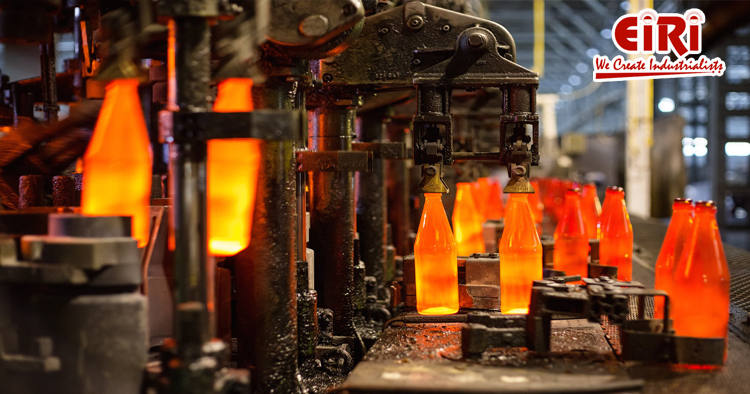
Glass manufacturing is an old art. However, now the process is highly refined. With technology advancing, the manufacturing process of glass has begun with float glass production. The float glass is durable, sturdier, and compatible with the procedures of tempering, lamination, sandblasting, acid etching, etc.
Popularity of Glass
Glass is prominent for its fragility and firmness that it is solid now. It represents liquid due to its fluid nature, but glass is an amorphous solid, scientifically. It is the state of two matters. If you consider conductivity, glass is not electrical nor thermal, as there is no reaction with chemical compounds.
Growth of Glass Manufacturing Market
The market for global glass manufacturing size in 2021 was at $106.44 billion value. However, the CAGR, after the expansion from 2022 to 2030 is at 5.2%. It is because there is a rise in the demand for glass in commercial and residential construction. There are various uses, such as the glass used in the railing, doors, windows, and facades. The usage of glass is rising and compelling glass manufacturers to provide variety as per the demand. It is apparent from the skyscrapers shining everywhere with glass windows. Homes have large French windows. Recently, most homes have shower walls and glass partitions. Everything, from mobile phones to cars, everyone uses glass.
Adding to this is the packaging sector that is asking for the same with recyclable materials. Therefore the growth is in anticipation, and there will be a boost in the glass manufacturing market. There is also an increasing demand for bottles and glass containers. The medical and beverage industries are also boosting the glass manufacturing process.
Moreover, investments in solar energy are on the rise, and the demand for processed glass for solar panels is high. It means there is a need to propel glass manufacturing to meet the growth. However, the market is facing the instability of raw materials in prices. It is hurting the cost structure of the glass manufacturing market. For instance, the prices of soda ash increased by approximately 23.5% from 2020 to 2021, making it reach USD 180 per ton. Adding to it is the increase in labor, energy, and transportation costs. It is the reason many glass manufacturing industries are announcing an increase in the price across specialty and industrial business products this year from June 2022.
Glass Industry Insights
The glass manufacturing growth, especially flat glass has resulted in infrastructural development. The growth has doubled into multi-folds due to the residential and commercial building investments. As per the recent survey, the estimation is to reach 2025 USD 1.4 trillion in the domestic construction industry. It will include manufacturing more glass as the investments include data centers, more than 100 smart cities, and commercial warehousing spaces.
The construction sector boom is apparent, and the demand for glass manufacturing is rising. In March 2022, Saint Gobain inaugurated a facility in float glass and Chennai, India, and an integrated window line. It is an INR 500 crore worth of investment. Today, the company in India has a leadership position in sustainable construction and building materials. Soon, there will be enormous growth and sustainability in the long term.
The fiberglass segment growth focuses on the telecom industry. It is because the glass fiber reduces high-frequency attenuation from the 5G signals. Glass fiber has improved telecommunication lines. Nevertheless, with the rising expansion of 5G network digitization, there is anticipation of promoting the glass manufacturing segment growth in the coming years.
The packaging segment enjoys a good revenue share in 2021, accounting for more than 35.0%. The contribution of glass is as a packing alternative to plastic. Its eco-friendly nature is the advantage, and it is more economical is the benefit. It has led to beverage and food players promoting the packaging of glass bottles for drinks. The result is that it has taken to new heights in developing markets.
Advantages of Starting Glass Manufacturing
- The benefits of starting a glass manufacturing business mean you should manage your destiny. It will allow you to choose your working hours, decide your business style and set your prices. Above all, the glass manufacturing business offers satisfaction as you offer a valuable service to the community. Flat glass is in high demand and is a profitable industry to invest in and initiate.
- The flat glass is suitable for a variety of applications. It offers businesses the opportunity of tapping a variety of markets. No matter, if it is construction or infrastructure, packaging or medicinal reasons, phones or electronic devices, the need for glass is never-ending.
Glass manufacturing in 2020 was USD 228.7 billion, and from 2021 to 2027, a growth rate of 4.1% CAGR in anticipation. The growing demand in various user industries for glass is on rising. However, the construction and automotive segments propel the glass manufacturing industry's growth. Glass, a versatile material, witnesses wide-scale applications in the majority of industry verticals.