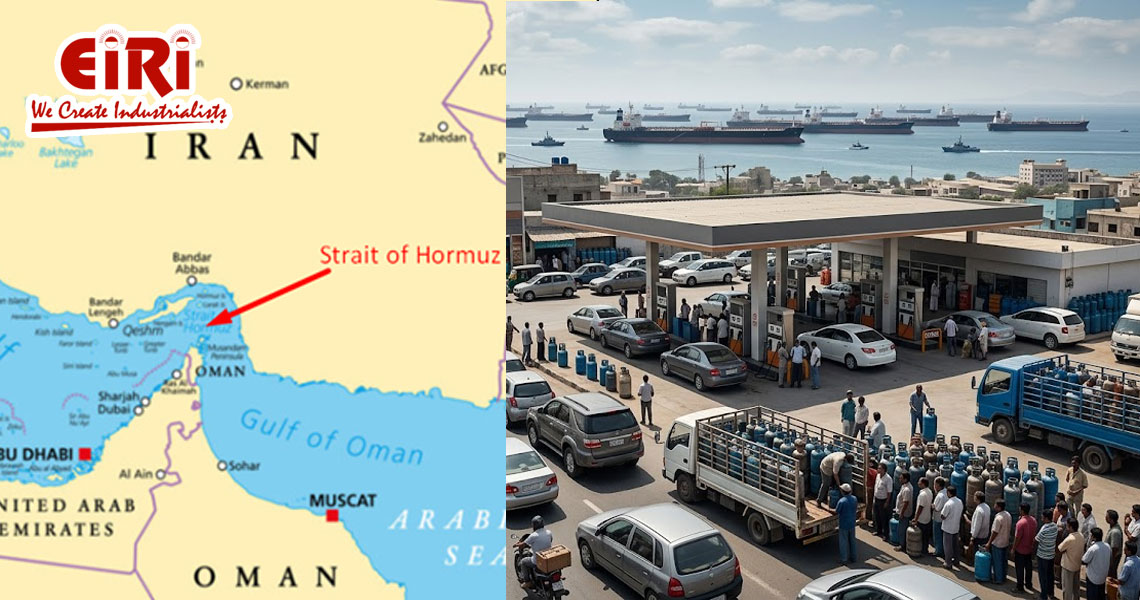
The global energy landscape is undergoing a major shift. Rising fuel prices, supply chain disruptions, and increasing dependence on imported crude oil have created uncertainty across industries. From households struggling with LPG availability to industries facing rising diesel costs, the impact of the ongoing fuel crisis is widespread.
However, history shows that every crisis brings new opportunities. The fuel crisis of 2026 is no exception. While traditional businesses may experience rising operational costs, a new wave of entrepreneurial opportunities is emerging in alternative fuels, energy efficiency, and sustainable technologies.
Entrepreneurs who can identify these gaps and offer practical, cost-effective solutions are in a strong position to build scalable and profitable businesses. This article explores the most promising business opportunities arising from the current fuel crisis and how you can capitalize on them.
If you are planning to start a business in this sector, now is the right time to act. Detailed project reports, machinery guidance, and expert consultation can help you turn these opportunities into successful ventures.
Understanding the Fuel Crisis and Market Shift
The current fuel crisis is driven by multiple factors including geopolitical tensions, disruptions in global supply chains, and increasing energy demand. Countries heavily dependent on fuel imports, like India, are particularly vulnerable to such disruptions.
As fuel prices rise and availability becomes uncertain, industries and consumers are actively searching for alternatives. Businesses are looking to reduce operational costs, improve energy efficiency, and switch to more reliable energy sources.
This shift is creating a strong demand for:
- Alternative fuel solutions
- Energy-efficient technologies
- Electrification systems
- Localized energy production
For entrepreneurs, this means one thing: demand already exists - solutions are needed.
Alternative Fuel Manufacturing: A High-Growth Sector
One of the biggest opportunities lies in the production of alternative fuels. As LPG and diesel become expensive and less reliable, industries and commercial users are actively shifting towards substitutes.
Biomass Briquettes and Pellets
Biomass briquettes and pellets are among the most promising alternatives to coal, LPG, and furnace oil. Made from agricultural waste such as sawdust, rice husk, and bagasse, these fuels are cost-effective and environmentally friendly.
Demand is growing rapidly from:
- Brick kilns
- Food processing units
- Textile industries
- Small manufacturing plants
The raw materials are widely available in rural and semi-urban areas, making this a highly scalable business.
Bio-CNG Production
Bio-CNG is another fast-growing segment. Produced from organic waste, agricultural residue, and animal waste, it can be used as a substitute for LPG and CNG.
Key advantages include:
- Government support and subsidies
- Increasing adoption in transport and industry
- Strong long-term demand
Although initial investment is higher, Bio-CNG plants offer excellent returns and long-term stability.
Waste-to-Fuel Technologies
Converting plastic waste and other non-biodegradable materials into fuel is an emerging business opportunity. Technologies like pyrolysis from waste allow entrepreneurs to produce fuel oil from waste, solving both energy and environmental challenges.
Energy Storage and Electrification Businesses
As fuel-based systems become less reliable, there is a significant shift towards electricity-based solutions. This transition is driving demand for energy storage and backup systems.
Battery Manufacturing and Assembly
Lithium-ion battery assembly is a high-potential business due to the increasing demand from:
- Electric vehicles
- Solar energy systems
- Backup power solutions
Entrepreneurs can start with battery pack assembly and gradually expand into larger-scale manufacturing.
Solar Power and Hybrid Systems
Solar energy is no longer optional - it is becoming essential. Businesses and households are investing in solar panels combined with battery storage systems to reduce dependence on fuel-based power.
Opportunities include:
- Solar system installation
- Hybrid inverter manufacturing
- Energy storage integration
Inverter and UPS Systems
Frequent power fluctuations and increased dependence on electricity are driving demand for reliable backup systems. Manufacturing or assembling inverters and UPS systems can be a profitable venture, especially in urban and semi-urban markets.
Commercial Cooking Solutions: A Rapidly Growing Need
Hotels, restaurants, cloud kitchens, and street food vendors are among the most affected by LPG shortages. This creates a strong demand for alternative cooking solutions.
Electric Cooking Equipment
Commercial electric cooking systems, including induction cooktops and electric boilers, are gaining popularity due to their efficiency and ease of use.
Entrepreneurs can explore:
- Manufacturing commercial induction systems
- Supplying bulk cooking equipment
- Designing energy-efficient kitchen setups
Centralized and Steam-Based Cooking
Large kitchens such as those in hospitals, hostels, and industrial canteens are shifting towards centralized steam-based cooking systems. These systems reduce fuel consumption and improve efficiency.
This segment offers opportunities in:
- Equipment manufacturing
- Installation services
- Maintenance contracts
Fuel-Efficient Logistics and Mobility Solutions
Transportation costs are one of the biggest challenges during a fuel crisis. Businesses are actively seeking ways to reduce fuel consumption and optimize operations.
Electric Vehicle Conversion Kits
Converting existing petrol or diesel vehicles into electric vehicles is a cost-effective alternative to buying new EVs. This niche is still underdeveloped and offers strong potential.
Fleet Management and Optimization
Logistics companies are adopting technology solutions to reduce fuel usage. Businesses can offer:
- Route optimization software
- Fuel monitoring systems
- Fleet tracking solutions
EV Charging Infrastructure
As electric vehicle adoption increases, the demand for charging stations is rising rapidly. Setting up EV charging infrastructure can be a long-term, high-growth business.
Rural Energy Solutions: Untapped Potential
Rural areas present a massive opportunity for low-cost and decentralized energy solutions. These markets are often underserved but have high demand for affordable alternatives.
- Biogas Plants: Biogas plants convert organic waste into usable fuel for cooking and electricity generation. These are ideal for rural households, farms, and small industries.
- Biomass Stoves: Improved biomass stoves offer a low-cost alternative to LPG in rural and semi-urban areas. They are efficient, affordable, and easy to manufacture.
- Agricultural Waste Utilization: Entrepreneurs can build businesses around collecting and processing agricultural waste into fuel products, creating additional income streams for farmers.
Industrial Energy Solutions: High-Value Opportunities
Industries are among the largest consumers of fuel, making them highly sensitive to price fluctuations and shortages. This creates premium business opportunities.
- Boiler Conversion Systems: Converting boilers from LPG or diesel to biomass or electric systems is in high demand. Industries are willing to invest in such solutions to reduce long-term costs.
- Industrial Burners and Heating Systems: Manufacturing energy-efficient burners and heating systems can be a highly profitable venture. These products are essential for multiple industries including textiles, chemicals, and food processing.
- Waste Heat Recovery Systems: Recovering and reusing heat generated during industrial processes can significantly reduce fuel consumption. This is a growing area with strong demand from large-scale industries.
Investment and Profit Potential
The fuel crisis has created business opportunities across a wide range of investment levels, making it accessible to different types of entrepreneurs. Low-investment ventures such as biomass fuel production, improved cookstoves, and small-scale energy solutions are ideal for beginners or rural markets. Medium-scale investments include electric cooking systems, battery assembly, and solar installations, which offer steady demand and scalability. High-investment opportunities like Bio-CNG plants, industrial energy systems, and EV infrastructure provide significant long-term returns but require technical expertise and capital. Entrepreneurs can choose the right model based on their financial capacity, skills, and target market.
The fuel crisis has opened opportunities across different investment levels:
- Low Investment: Biomass fuel production, improved cookstoves, small-scale energy solutions
- Medium Investment: Electric cooking systems, battery assembly, solar installations
- High Investment: Bio-CNG plants, industrial energy systems, EV infrastructure
Entrepreneurs can choose a business model based on their capital, technical expertise, and market access.
Government Support and Policy Advantages
Governments are actively encouraging the shift towards alternative energy sources to reduce dependence on fossil fuels. Various subsidies and financial incentives are available for renewable energy projects, making it easier for entrepreneurs to enter the market. Policies supporting biofuel production and MSME manufacturing further strengthen the ecosystem for new businesses. Additionally, initiatives promoting clean and sustainable energy adoption are driving long-term demand. These supportive measures not only reduce investment risks but also improve the overall profitability and viability of energy-related ventures.
Governments are actively promoting alternative energy and reducing dependence on fossil fuels. Entrepreneurs can benefit from:
- Subsidies for renewable energy projects
- Incentives for biofuel production
- Support for MSMEs in manufacturing
- Policies encouraging clean energy adoption
These initiatives reduce risk and improve profitability for new ventures.
Challenges to Consider
Despite the strong opportunities, entrepreneurs must be aware of certain challenges before entering this sector. Ensuring a consistent supply of raw materials, especially for biomass and biofuel businesses, can be a critical factor. Selecting the right technology and implementing it effectively requires proper research and technical understanding. Initial investment costs can also be significant in some segments, while market awareness and adoption may take time to build. However, with careful planning, detailed feasibility analysis, and the right expert support, these challenges can be effectively managed.
While the opportunities are promising, entrepreneurs should also be aware of potential challenges:
- Availability and consistency of raw materials
- Technology selection and implementation
- Initial capital requirements
- Market awareness and adoption
Careful planning, proper feasibility studies, and expert guidance can help overcome these challenges.
How to Get Started
Starting a business in the energy sector requires a strategic approach:
- Identify local demand and gaps in the market
- Choose a niche based on your investment capacity
- Conduct a feasibility study and cost analysis
- Start with a pilot project or small-scale setup
- Scale gradually based on market response
Partnering with experienced consultants and technology providers can significantly reduce risks and improve success rates.
Conclusion
The fuel crisis of 2026 is not just a challenge - it is a turning point. As traditional energy systems become unstable and expensive, the demand for alternative solutions is growing rapidly.
Entrepreneurs who act early and focus on innovation, efficiency, and sustainability can build strong, future-ready businesses. Whether it is alternative fuel manufacturing, energy storage, or industrial efficiency solutions, the opportunities are vast and diverse.
The key is to move quickly, think strategically, and align with the changing energy landscape. Those who take action today will not only survive the crisis but emerge as leaders in the next generation of energy-driven industries.