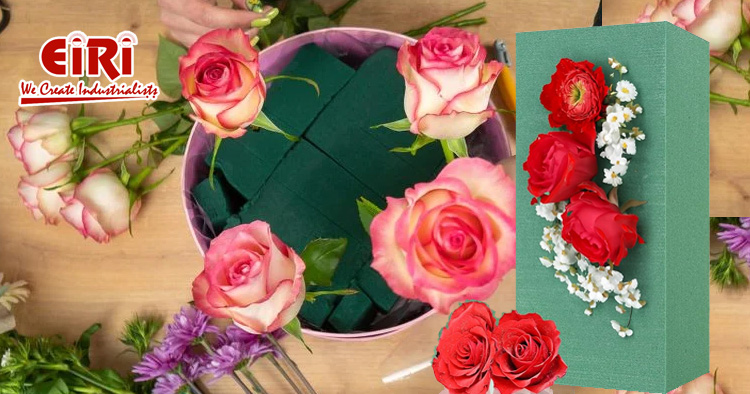
Floral foam is a type of lightweight, porous material used by florists to arrange flowers. It is designed to hold stems in place and provide support for floral arrangements in vases, baskets, and other containers. Floral foam is typically made from phenolic foam, a type of synthetic resin, and comes in various shapes and sizes to suit different floral designs. It is prized for its ability to absorb and retain water, keeping flowers hydrated and fresh for longer periods. However, there has been growing concern about the environmental impact of floral foam, particularly its non-biodegradable nature and potential release of microplastics into the environment. As a result, some florists are exploring alternative materials or techniques for arranging flowers sustainably.
Floral foam, also known as oasis foam or floral brick, is a specialized type of foam used primarily by florists to create stunning floral arrangements. It is designed to provide a stable base for flowers and foliage, allowing them to be arranged in various shapes and designs.
Here are some key details about floral foam:
- Composition: Floral foam is typically made from phenolic foam, a type of plastic foam derived from phenol formaldehyde resin. This foam is highly absorbent and capable of holding large amounts of water.
- Structure: Floral foam is available in various shapes and sizes to accommodate different types of arrangements. Common shapes include blocks, spheres, cones, and cylinders. The foam is lightweight yet sturdy, providing support for flower stems and foliage.
- Water Absorption: One of the primary functions of floral foam is to absorb and retain water. When soaked in water, the foam becomes saturated, providing a constant source of hydration for the flowers. This helps to keep the flowers fresh and vibrant for longer periods.
- Versatility: Floral foam can be used in a wide range of floral arrangements, including bouquets, centerpieces, wreaths, and corsages. It can be easily cut, shaped, and molded to fit the desired design.
- Benefits: Floral foam offers several benefits to florists and consumers alike. It provides a stable base for arrangements, allowing flowers to be securely positioned and arranged in intricate designs. The foam also helps to prolong the life of cut flowers by providing them with water and nutrients.
- Environmental Concerns: Despite its widespread use in the floral industry, floral foam has come under scrutiny in recent years due to environmental concerns. Traditional floral foam is not biodegradable and can contribute to plastic pollution. Additionally, when floral foam breaks down, it can release microplastics into the environment.
- Alternatives: In response to growing environmental awareness, some florists are exploring alternative materials and techniques for floral arrangements. This includes using reusable containers, natural materials such as twigs and moss, or biodegradable floral foam alternatives made from plant-based materials.
Overall, floral foam remains a popular choice for florists due to its versatility and ease of use. However, as awareness of environmental issues continues to grow, there is a growing interest in sustainable alternatives that minimize the impact on the planet.
Floral Foam Market Overview
Foams are incredibly versatile materials that come in various forms, each tailored to specific applications and industries. One of the distinguishing features of foams is their cell architecture, which can be classified as open or closed cells, resulting in the broader categorization of flexible or stiff foams. These structural differences give foams unique properties that make them indispensable in a wide range of industries.
A key advantage of foams is their exceptional insulation capabilities. Whether it's providing thermal insulation in buildings or protecting sensitive electronic components from temperature fluctuations, foams play a critical role in maintaining optimal operating conditions. Additionally, foams offer protection against abrasion, moisture, impacts, and corrosion, making them essential materials for packaging, transportation, and industrial applications.
Foams are prized for their lightweight nature, making them ideal for applications where weight reduction is crucial. In the automotive industry, for example, polyurethane foam is used extensively to reduce the weight of vehicles, leading to improved fuel efficiency and lower emissions. Similarly, in the construction industry, foams help mitigate stress on building structures while providing insulation against heat and sound.
Moreover, foams are valued for their non-toxicity and hypoallergenic qualities, making them safe for use in various applications, including furniture, bedding, and medical devices. Their versatility extends to the aerospace industry, where foams are used in aircraft interiors to enhance passenger comfort and safety.
Looking ahead, the demand for foams is expected to continue growing across multiple sectors. In the construction industry, foams will play a vital role in meeting the increasing demand for energy-efficient buildings and sustainable construction materials. Similarly, in the automotive sector, foams will remain essential for achieving lighter, more fuel-efficient vehicles that comply with stringent emission standards.
The medical industry is also expected to drive growth in the foam market, with foams being used in a wide range of medical devices and applications, including wound dressings, orthopedic supports, and prosthetics. The versatility of foams makes them well-suited for meeting the diverse needs of the healthcare sector, where performance, comfort, and safety are paramount.
Foams are indispensable materials that offer a unique combination of properties suited to a wide range of applications. From providing insulation and protection to enhancing comfort and performance, foams play a critical role in numerous industries and are poised to experience continued growth in the coming years.
Raw Materials for Floral Floam Manufacturing
Floral foam manufacturing requires a variety of raw materials to create the versatile and absorbent foam used by florists and floral designers worldwide. These raw materials play crucial roles in determining the quality, durability, and effectiveness of the floral foam. Let's take a closer look at the key raw materials required for manufacturing floral foam:
- Polyurethane: Polyurethane serves as the primary ingredient in floral foam, responsible for its ability to absorb and retain water. This essential component is typically sourced from chemical suppliers and forms the backbone of the floral foam's structure.
- Plastic: A mixture of plastic and polyurethane is used to create the foam's shape and structure. The plastic component contributes to the foam's durability and resilience, ensuring that it can hold flowers securely in floral arrangements.
- Color Pigments: Color pigments are added to the foam to give it a distinctive green hue, which is characteristic of floral foam. Additionally, color pigments can be used to create foam in various other colors to match different floral arrangements and design themes.
- Binder: Binders are essential for holding the foam together and providing it with strength and stability. They help ensure that the foam maintains its shape and integrity, even when subjected to the weight of flowers and other decorative elements.
- Water: Water serves as a solvent in the manufacturing process, playing a vital role in activating the polyurethane and other ingredients to form the foam. It facilitates the chemical reactions necessary for creating the foam's porous structure, which allows it to absorb and retain water effectively.
- Other Chemicals: Additional chemicals, such as surfactants and catalysts, may be used in the manufacturing process to control various properties of the foam. Surfactants help regulate the foam's surface tension, while catalysts accelerate the curing process, ensuring efficient production and consistent quality.
- Packaging Materials: Once the floral foam is manufactured, it needs to be packaged securely to protect it during transportation and storage. Packaging materials such as plastic bags or boxes are essential for preserving the foam's integrity and preventing damage.
The successful manufacturing of floral foam relies on the careful selection and quality control of raw materials. By sourcing high-quality polyurethane, plastic, color pigments, binders, water, and other chemicals from reputable suppliers, manufacturers can ensure the production of floral foam that meets the rigorous standards of the floral industry.