Mica, a naturally occurring mineral with exceptional physical and chemical properties, has found extensive use in various industries. From electronics to cosmetics, mica plays a vital role in numerous applications. This article aims to delve into the manufacturing process of mica, highlighting its applications and providing valuable insights for entrepreneurs interested in this industry.
The market for mica and its applications is experiencing steady growth globally. The increasing demand for consumer electronics, cosmetics, and construction materials is driving the market's expansion. Additionally, the growing emphasis on sustainable and eco-friendly products has further propelled the demand for mica, as it is a naturally occurring mineral.

Entrepreneurs interested in the mica industry can explore opportunities in mica mining, processing, and manufacturing of mica-based products. With its wide range of applications and growing market demand, mica presents promising prospects for business ventures in various sectors.
Occurrence and Extraction of Mica:
Mica is primarily found in igneous and metamorphic rocks. It occurs in large crystals or in the form of thin layers known as "books." The major mica-producing countries include India, Russia, China, Brazil, and the United States.
The extraction of mica involves mining and quarrying. Open-pit mining methods are commonly used to access the mica deposits. Once the ore is extracted, it undergoes processing to separate the mica minerals from other impurities.
Processing:
The processing of mica involves several steps to obtain the desired quality and purity of the mineral. The following are the key processes involved:
- Crushing and Grinding: The mined mica ore is crushed and ground into a fine powder to facilitate further processing.
- Flotation: Flotation is a widely used method to separate mica from other minerals. The ground ore is mixed with water and chemicals, and air bubbles are introduced to selectively attach to the mica particles, allowing their separation.
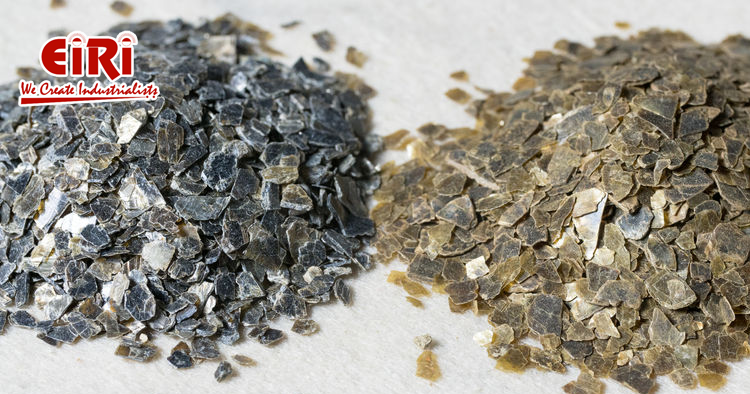
- Classification: After flotation, the mica concentrate is subjected to classification to separate different grades and sizes of mica flakes.
- Drying: The classified mica flakes are then dried to reduce moisture content, making them suitable for various applications.
Preparation:
Once the mica flakes are processed, they can be further prepared for specific applications. The preparation methods vary depending on the intended use of mica. Some common preparation techniques include:
- Cleaning and Purification: Mica flakes may undergo additional cleaning and purification processes to remove any remaining impurities or unwanted materials.
- Grinding and Micronization: In certain applications, mica flakes are ground into finer particles or micronized to achieve the desired particle size distribution.
- Surface Treatment: Surface treatments may be applied to modify the properties of mica, such as enhancing its hydrophobicity or improving its compatibility with other materials.
- Formulation and Blending: Mica flakes can be formulated and blended with other ingredients to create customized products with specific characteristics and functionalities.
Overall, the occurrence and extraction of mica involve mining and quarrying, while the processing includes crushing, grinding, flotation, and classification. The prepared mica flakes can undergo additional treatments and blending to cater to different applications. The understanding of these processes is essential for entrepreneurs interested in the mica industry, as it enables them to make informed decisions regarding mining, processing, and the production of mica-based products.
Applications of Mica
One of the primary applications of mica is in the electronics industry. It is used as an insulating material in electronic devices, including capacitors, transistors, and integrated circuits. The excellent thermal stability and electrical insulation properties of mica make it an ideal choice for ensuring the safe and efficient operation of electronic components.
In the cosmetics industry, mica is a popular ingredient in makeup products. It is used to add shimmer, sparkle, and color to cosmetics such as eyeshadows, lipsticks, and nail polishes. Mica's natural luster and ability to reflect light make it a sought-after ingredient for creating beautiful and eye-catching cosmetic formulations.
The construction industry also relies on mica for various applications. Mica is commonly used as an additive in paints, coatings, and adhesives due to its exceptional weather resistance and durability. It enhances the strength and flexibility of these materials, making them suitable for a wide range of construction projects.

Additionally, mica finds its use in the automotive, aerospace, and defense sectors. It is employed in the production of specialized components that require high heat resistance, electrical insulation, and lightweight properties.
- Electrical Insulation: Mica has excellent electrical insulating properties, making it a vital component in various electrical and electronic applications. It is used as an insulating material in cables, wires, capacitors, and electrical equipment.
- Thermal Insulation: Mica is a natural thermal insulator that can withstand high temperatures. It is widely used as a thermal barrier in appliances, heating elements, ovens, and furnaces.
- Paints and Coatings: Mica is used in the manufacturing of paints, coatings, and pigments. Its lamellar structure provides a shimmering effect and enhances the visual appeal of these products. Mica-based paints are also valued for their durability and weather resistance.
- Plastics and Rubber: Mica is added to plastics and rubber formulations to improve their electrical, thermal, and mechanical properties. It enhances the dimensional stability, heat resistance, and surface finish of these materials.
- Cosmetics and Personal Care Products: Mica is extensively used in cosmetics and personal care products, including eyeshadows, blushes, foundations, lipsticks, and nail polishes. It imparts a natural shimmer and glittery effect, enhancing the aesthetics of these products.
- Building Materials: Mica is utilized in the construction industry for various purposes. It is added to cement, concrete, and plaster to improve their workability, reduce cracking, and enhance fire resistance. Mica sheets are also used as a decorative element in wall coverings and interior design applications.
- Welding Electrodes: Mica is incorporated into welding electrodes due to its high electrical resistance and heat resistance. It acts as a fluxing agent and helps in stabilizing the arc during welding operations.
- Lubricants and Greases: Mica is used as an additive in lubricants and greases to reduce friction and improve the overall lubrication properties. It helps in reducing wear and tear in machinery and enhances their performance and lifespan.
- Aerospace and Defense: Mica finds applications in the aerospace and defense sectors. It is used as an insulating material in electronic devices, missile systems, radars, and aircraft components due to its lightweight, electrical insulation, and high-temperature resistance properties.
- Fire Safety: Mica is added to fire-resistant materials, such as fireproof fabrics, insulation boards, and fire extinguishers, to enhance their fire-retardant properties and prevent the spread of flames.
These are just a few examples of the wide range of applications of mica. Its unique properties, such as electrical insulation, thermal resistance, and shimmering effect, make it a valuable material across various industries. Entrepreneurs exploring the mica industry can tap into these diverse applications and develop innovative products to cater to different market needs.
Market Analysis and Future Outlook of Mica
The mica market has witnessed significant growth over the years and is expected to continue its upward trajectory. The demand for mica is driven by its extensive applications in industries such as electrical, electronics, paints and coatings, plastics, cosmetics, and construction. The market is highly influenced by factors such as urbanization, industrialization, and the growth of end-use industries.
One of the key factors contributing to the market growth is the increasing demand for electronic devices and equipment. Mica is widely used as an electrical insulator in electronic components, making it an essential material in the manufacturing of smartphones, tablets, computers, and other electronic gadgets. The growing consumer electronics industry is fueling the demand for mica.
The construction industry also plays a significant role in the mica market. Mica is used in building materials, including cement, concrete, and plaster, to enhance their properties and performance. With the rapid growth of the construction sector, especially in developing economies, the demand for mica is expected to surge.
Future Outlook:
The future outlook for the mica market is promising, with several factors indicating sustained growth. Here are some key aspects shaping the future of the mica industry:
Technological Advancements: Ongoing technological advancements are leading to the development of new and improved mica-based products. Manufacturers are focusing on enhancing the properties of mica to cater to evolving customer needs and preferences. This innovation-driven approach is expected to drive the market growth.
Shift Towards Sustainable Materials: The increasing awareness about environmental sustainability and the preference for eco-friendly materials are influencing the market dynamics. Mica, being a natural mineral, aligns well with these sustainability goals. Manufacturers are exploring sustainable mining practices and eco-friendly processing methods to meet the demand for environmentally conscious products.
Growing Cosmetics Industry: The cosmetics industry is experiencing significant growth worldwide, and mica plays a vital role in cosmetic formulations. The rising demand for natural and organic cosmetics is driving the need for mica-based products. As consumers become more conscious about the ingredients in their beauty products, the demand for mica in the cosmetics industry is expected to grow.
Emerging Markets: The mica market is expanding in emerging economies due to rapid industrialization and urbanization. Countries like India, China, Brazil, and South Africa are witnessing substantial growth in the construction, electronics, and automotive sectors. These regions offer lucrative opportunities for mica manufacturers to establish a strong presence and tap into the growing demand.
Stringent Regulations: Environmental and labor regulations are becoming increasingly stringent, necessitating compliance measures in the mica industry. Manufacturers are required to adhere to responsible mining practices, ethical sourcing, and fair labor practices. The adoption of such regulations ensures the sustainable growth of the mica market and boosts consumer confidence.
Overall, the mica market is poised for growth in the coming years. The expanding applications in various industries, coupled with the shift towards sustainable materials, technological advancements, and the growth of emerging markets, indicate a positive future outlook. Entrepreneurs venturing into the mica industry can capitalize on these trends by focusing on product innovation, sustainability, and strategic market expansion.