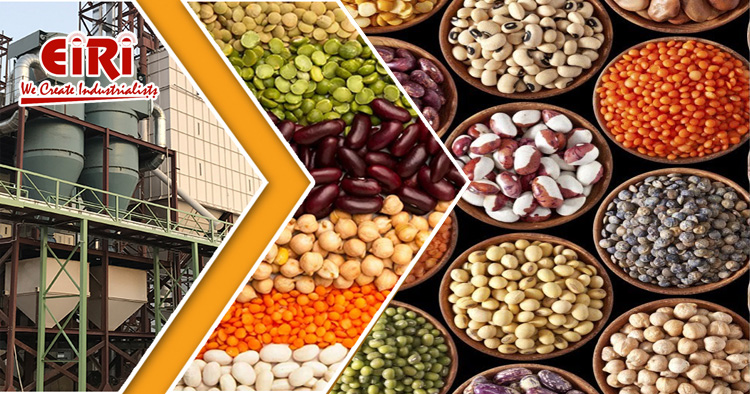
The dal mill industry holds significant potential as one of the most lucrative segments within the agricultural processing sector. Dals, or lentils, are staple foods in many cultures, particularly in South Asia. They are rich in proteins, essential for vegetarian diets, and form a crucial part of daily meals. As consumer awareness of nutrition and healthy living grows, the demand for high-quality, processed dals is on the rise. This article explores the emerging opportunities in the dal mill industry, the types of dals, and their processing.
The global dal mill machine market is projected to grow at a 3.0% CAGR, reaching US$ 307.5 Mn by 2031 from US$ 250.0 Mn in 2024.
Dal mill machines are pivotal in the food processing industry, specifically designed to split and hull lentils efficiently. These machines have garnered significant popularity, particularly in regions with high consumption of lentils such as India, Pakistan, and China. Their versatile functionality allows them to process various types of lentils, beans, and legumes into fine pastes or powders, making them indispensable in commercial kitchens.
In countries like India, dal mills serve a dual purpose of processing both food and animal feed. They are engineered to remove the husk from lentils, split them into smaller pieces, and polish them to eliminate any residual husks. By streamlining the processing of lentils, these machines enhance productivity while reducing labor costs and manual effort, making them indispensable tools in food processing facilities.
The global demand for dal mill machines is expected to surge in the coming years due to several factors. Firstly, there is a growing trend towards increased consumption of legumes worldwide, driven by their numerous health benefits. Legumes are renowned for being low in fat, cholesterol-free, and rich in fiber, protein, vitamins, and minerals. This nutritional profile has contributed to their rising popularity among health-conscious consumers, leading to a surge in demand for dal mill machines to process these legumes efficiently.
Additionally, the food processing industry's reliance on lentils, peas, and beans as key ingredients in packaged and ready-to-eat foods further fuels the demand for dal mill machines. As consumer preferences shift towards convenient and nutritious food options, manufacturers are increasingly incorporating legumes into their product offerings. Consequently, the need for efficient processing equipment like dal mill machines becomes imperative to meet the growing demand for legume-based products.
Overall, the increasing consumption of legumes, coupled with their widespread use in the food processing industry, is expected to drive the global dal mill machine market's growth in the foreseeable future. These machines play a crucial role in meeting the rising demand for processed lentils and legumes, supporting the food industry's efforts to deliver nutritious and convenient food products to consumers worldwide.
Types of Dals
- Tur Dal (Pigeon Pea): Also known as Arhar dal, it is one of the most commonly consumed dals in India. It is known for its high protein content and versatility in various recipes.
- Moong Dal (Green Gram): Available in split and whole forms, Moong dal is highly nutritious and easily digestible, making it a popular choice for soups and salads.
- Chana Dal (Bengal Gram): This dal is derived from black chickpeas and is rich in fiber and protein. It is widely used in Indian cuisine.
- Urad Dal (Black Gram): Known for its high protein and iron content, Urad dal is essential in South Indian cuisine for making idlis and dosas.
- Masoor Dal (Red Lentil): This dal cooks quickly and is rich in protein and iron, making it a staple in many diets.
- Toor Dal (Yellow Pigeon Pea): Similar to Tur dal but often used in different culinary contexts, it is another staple in Indian households.
Processing of Dals
The processing of dals involves several steps to ensure the final product is clean, edible, and ready for cooking. Here’s a detailed look at the dal milling process:
- Cleaning: The first step is to remove impurities like stones, dust, and other foreign materials. This is done using various cleaning equipment such as sieves, magnets, and destoners.
- Pitting: This involves scratching the husk of the pulses to facilitate the subsequent husking process. This step is crucial for dals with a hard outer shell.
- Pre-Treatment: The dals are soaked in water or treated with oil to loosen the husk. This pre-treatment varies based on the type of dal and the desired final product.
- Husking: The treated pulses are then husked using machines that apply pressure and friction to remove the outer shell. This process needs to be controlled to minimize breakage and wastage.
- Splitting: The husked dals are split into two halves using splitting machines. This step is essential for dals that are typically consumed in split form, such as Chana dal and Moong dal.
- Polishing: Some dals are polished to enhance their appearance. This can involve the use of oil or water and adds to the marketability of the product.
- Grading: The final step involves grading the dals based on size and quality. This ensures uniformity in the product and helps in meeting market standards.
- Packaging: Once graded, the dals are packaged in various sizes using automated packaging machines. Proper packaging is crucial to maintain the freshness and quality of the product.
Emerging Opportunities in the Dal Mill Industry
The dal mill industry is witnessing several emerging opportunities, driven by market demand, technological advancements, and supportive government policies.
- Growing Demand for Organic and Quality Products: With increasing health awareness, consumers are shifting towards organic and high-quality food products. Establishing a dal mill that focuses on organic production can cater to this growing segment, ensuring premium pricing and loyal customers.
- Technological Advancements: The introduction of advanced milling machinery has revolutionized the dal mill industry. Modern machines increase efficiency, reduce waste, and improve the quality of the final product. Investing in state-of-the-art technology can significantly enhance productivity and profitability.
- Government Support and Policies: Various government schemes and subsidies support the agro-processing industry, including dal mills. These incentives can reduce the initial investment burden and provide financial assistance for setting up and expanding the business.
- Export Potential: There is a substantial demand for Indian dals in the international market, especially in countries with large South Asian populations. Exporting dals can open up a lucrative revenue stream, provided the mill adheres to international quality standards and packaging norms.
- Value-Added Products: Diversifying into value-added products like ready-to-cook dal mixes, flavored dals, and snack items can attract a broader consumer base. These products offer convenience and cater to the fast-paced lifestyle of modern consumers.
- Online Sales and Marketing: The rise of e-commerce platforms has made it easier for dal mill businesses to reach a wider audience. Establishing an online presence and leveraging digital marketing strategies can significantly boost sales and brand visibility.
- Collaborations and Partnerships: Collaborating with food processing companies, retail chains, and agricultural cooperatives can provide steady demand and supply chain support. These partnerships can help in scaling the business and ensuring consistent market presence.
Conclusion
The dal mill industry presents a plethora of opportunities for entrepreneurs willing to invest in this sector. With the growing demand for healthy and nutritious food, advancements in milling technology, supportive government policies, and the potential for export, the future of the dal mill industry looks promising. By focusing on quality production, exploring value-added products, and leveraging modern marketing strategies, businesses can tap into this lucrative market and achieve substantial growth. Investing in a dal mill not only promises financial returns but also contributes to the agricultural economy and promotes healthy eating habits among consumers.