The global automotive industry is undergoing a significant transformation with the advent of electric vehicles (EVs). This shift towards electric mobility is driven by the need to reduce carbon emissions, dependence on fossil fuels, and combat climate change. As countries worldwide, including India, push for cleaner and more sustainable transportation, the demand for EVs is on the rise. However, one of the critical factors for the widespread adoption of EVs is the availability of reliable and convenient charging infrastructure. Setting up EV charging stations in urban and semi-urban areas can cater to the growing number of electric vehicles on the road and capitalize on the increasing demand for EVs and the need for convenient charging solutions.
The Growing Demand for EV Charging Infrastructure
Government Initiatives and Policies
The Indian government has been proactive in promoting electric mobility through various initiatives and policies. The Faster Adoption and Manufacturing of Hybrid and Electric Vehicles (FAME) scheme, introduced in 2015, aims to incentivize the adoption of EVs and the development of charging infrastructure. The scheme provides financial incentives for purchasing EVs and establishing charging stations, making it more attractive for businesses to invest in this sector. Additionally, the National Electric Mobility Mission Plan (NEMMP) 2020 outlines a roadmap for achieving a significant share of EVs in the total vehicle population by 2020. These initiatives reflect the government's commitment to reducing pollution and dependence on imported oil, creating a favorable environment for businesses in the EV charging infrastructure sector.
Increasing EV Adoption
The adoption of electric vehicles is steadily increasing in India. Several factors contribute to this growth, including the declining cost of EVs, advancements in battery technology, and rising awareness of environmental issues. Major automobile manufacturers are also launching new electric models, providing consumers with more choices and driving demand for EVs. As the number of EVs on the road continues to grow, the need for an extensive and reliable charging network becomes more critical. Businesses that can provide convenient and efficient charging solutions will play a vital role in supporting the EV ecosystem and ensuring a seamless transition to electric mobility.
Urban and Semi-Urban Focus
Urban and semi-urban areas are prime locations for establishing EV charging infrastructure. These regions typically have higher population densities and a greater concentration of vehicles, making them ideal for EV adoption. Setting up charging stations in residential areas, commercial complexes, shopping malls, and public parking spaces can cater to the charging needs of urban dwellers. Additionally, semi-urban areas, which often serve as transit points for long-distance travelers, can benefit from strategically placed charging stations to support intercity travel. By focusing on these regions, businesses can address the charging needs of a diverse customer base and ensure widespread availability of charging facilities.
Components of an EV Charging Infrastructure Business
Starting an EV charging infrastructure business involves several key components:
1. Site Selection and Assessment
Selecting the right locations for charging stations is crucial for the success of an EV charging infrastructure business. Factors to consider include:
- Accessibility: Charging stations should be easily accessible to EV owners, located in areas with high footfall and visibility.
- Power Supply: Availability of a stable and sufficient power supply is essential for the operation of charging stations.
- Space and Amenities: Adequate space for parking and amenities such as restrooms and waiting areas enhance the user experience.
- Permits and Regulations: Compliance with local zoning laws, permits, and regulations is necessary for setting up charging stations.
Conducting thorough site assessments and feasibility studies can help identify the best locations and ensure the smooth operation of charging stations.
2. Charging Station Technology
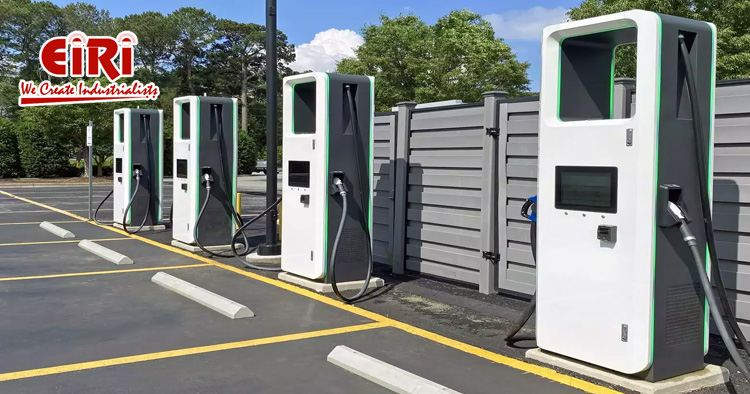
Choosing the right charging station technology is vital for meeting the needs of EV owners. There are different types of charging stations based on charging speed and compatibility:
- Level 1 Chargers: These chargers use standard household outlets and provide a slow charging rate. They are suitable for overnight charging at residential locations.
- Level 2 Chargers: These chargers use dedicated 240V outlets and offer faster charging speeds. They are ideal for public and commercial locations, providing a balance between speed and cost.
- DC Fast Chargers: These chargers provide the fastest charging speeds, capable of charging an EV in under an hour. They are suitable for high-traffic areas and long-distance travel routes.
Investing in a mix of charging technologies can cater to different customer needs and ensure a comprehensive charging network.
3. Installation and Maintenance
The installation and maintenance of charging stations require careful planning and execution. Key steps include:
- Site Preparation: Preparing the site, including civil works, electrical connections, and safety measures.
- Equipment Installation: Installing charging equipment, ensuring proper setup, and testing functionality.
- Maintenance and Support: Regular maintenance to ensure optimal performance, addressing any technical issues, and providing customer support.
Partnering with experienced contractors and service providers can ensure the efficient installation and maintenance of charging stations.
4. Payment and Management Systems
Implementing efficient payment and management systems is essential for the smooth operation of charging stations. Considerations include:
- Payment Options: Offering multiple payment options, such as mobile apps, RFID cards, and contactless payments, for convenience.
- Billing and Tariffs: Setting transparent billing mechanisms and tariffs, including options for time-based or energy-based pricing.
- Remote Monitoring: Utilizing remote monitoring systems to track usage, detect issues, and manage station operations in real-time.
Advanced payment and management systems enhance the user experience and streamline business operations.
5. Marketing and Customer Engagement
Effective marketing and customer engagement strategies are crucial for attracting and retaining customers. Key strategies include:
- Branding and Promotion: Building a strong brand identity and promoting charging stations through online and offline channels.
- Customer Education: Educating customers about the benefits of EVs and the convenience of charging solutions.
- Loyalty Programs: Implementing loyalty programs, discounts, and incentives to encourage repeat usage and customer loyalty.
Engaging with customers through social media, community events, and feedback mechanisms can build a loyal customer base and drive business growth.
Challenges and Solutions
Starting and scaling an EV charging infrastructure business comes with its own set of challenges:
1. High Initial Capital Investment
Setting up EV charging stations requires significant upfront capital investment for equipment, installation, and infrastructure. To address this challenge, explore diverse financing options such as government grants, subsidies, and private investment. Develop a compelling business case to attract investors and demonstrate the long-term financial benefits of your projects.
2. Grid Connectivity and Capacity
Ensuring grid connectivity and capacity for charging stations is crucial. Partner with utility companies to assess grid infrastructure and identify suitable locations with adequate power supply. Implement smart charging solutions to manage load and avoid grid overload. Explore renewable energy integration and energy storage systems to enhance grid resilience and sustainability.
3. Consumer Awareness and Adoption
Raising awareness about the benefits of EVs and charging infrastructure is essential for market adoption. Conduct educational campaigns, workshops, and demonstrations to showcase the advantages of EVs and convenient charging solutions. Highlight success stories and case studies to build credibility and trust.
4. Regulatory Compliance
Navigating the regulatory landscape can be challenging, with varying policies and standards across different states and regions. Stay informed about relevant regulations and engage with policymakers to advocate for supportive frameworks. Collaborate with industry associations to address common challenges and drive policy changes.
5. Technological Expertise
EV charging infrastructure requires specialized technical expertise for design, installation, and maintenance. Invest in training and development programs for your workforce to build the necessary skills and knowledge. Partner with technical institutes and research organizations to access cutting-edge technologies and best practices.
Conclusion
The EV charging infrastructure sector presents a significant opportunity for entrepreneurs to contribute to sustainable mobility, reduce carbon emissions, and support India's transition to a cleaner and greener future. By establishing reliable and convenient charging stations in urban and semi-urban areas, businesses can cater to the growing number of electric vehicles on the road and capitalize on the increasing demand for EVs and charging solutions. With government support, technological advancements, and a focus on customer needs, the EV charging infrastructure business has the potential to drive economic growth, create jobs, and make a positive environmental impact. Embracing this opportunity today can pave the way for a sustainable and prosperous tomorrow.