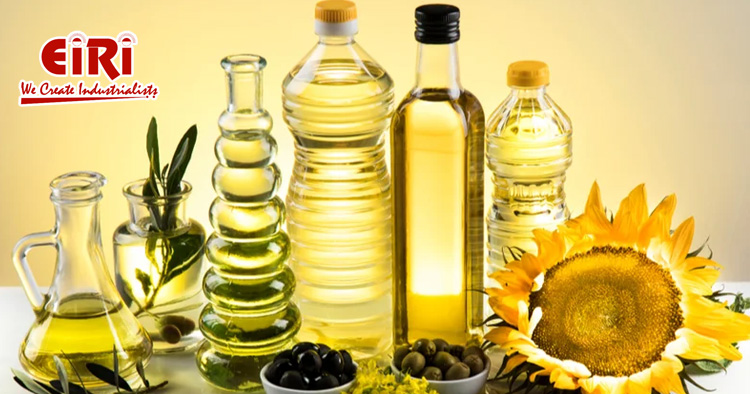
The edible oil manufacturing industry plays a vital role in meeting the global demand for cooking oils and fats. From household kitchens to large-scale food production units, edible oils are indispensable ingredients in various culinary applications. This article aims to provide entrepreneurs with a comprehensive guide to entering and thriving in the edible oil manufacturing business.
Edible oils, extracted from fruits, vegetables, and animals, are essential ingredients in various cuisines worldwide. Soybean, palm, rapeseed, and sunflower oils are among the most popular types. The market is poised for significant growth due to the increasing demand for crude, natural, healthy, and organic vegetable oils, driven by health-conscious consumers.
Plant-derived edible oils contain carboxylic acids with lengthy hydrocarbon chains, making them suitable for consumption. The composition of fatty acids determines their metabolic properties and health implications. Oils high in monounsaturated or saturated fats are preferred for frying, while those high in polyunsaturated fats are less desirable. Examples include almond, olive, and high-oleic cultivars of safflower and sunflower oils.
Edible oils find extensive use in cooking, personal care products like hair oils and soaps, and confectionery production. Almond oil, for instance, is favored in candy making due to its flavor and texture. Additionally, vegetable oils are incorporated into animal feed for enhanced nutrition and fattening. Some niche applications include the production of biodiesel, lubricants, solvents, and emulsions.
Overall, the versatile applications of edible oils make them indispensable in various industries, from food to cosmetics and beyond. As consumer preferences evolve and health consciousness grows, the demand for high-quality, natural edible oils is expected to continue rising, driving market expansion in the years to come.
Understanding the Market:
Before delving into the intricacies of setting up an edible oil manufacturing venture, it's essential to understand the market dynamics. The global edible oil market is influenced by factors such as population growth, changing dietary habits, health consciousness, and economic development. According to industry reports, the global edible oil market size was valued at over $90 billion in 2020 and is projected to grow steadily in the coming years.
Edible oils consumption witnessed a steady rise from 2018 to 2022, with a historical Compound Annual Growth Rate (CAGR) of 3.21%, reaching a value of US$ 189,899.1 Million in 2023. The food & beverage industry extensively utilizes edible oils across various applications, including frying, salad dressings, cooking, bakery, cosmetics, and personal care.
In response to growing consumer demand for healthier and more sustainable options, the market is witnessing a shift towards plant-based oils such as avocado, olive, and coconut oil. Additionally, specialty oils with perceived health benefits are gaining popularity. There is also a notable emphasis on sustainable sourcing and manufacturing processes, driven by increased consumer awareness and regulatory initiatives aimed at reducing environmental impact.
The production of edible fats involves both animal and plant-origin raw materials. Animal-derived fats are sourced from meat processors, with long-term agreements ensuring a consistent supply. Vegetable fats, like margarine, are obtained through processes such as hydrogenation of soybean, corn, or safflower oil. Various refining processes are employed to enhance the quality of edible oils and fats, including bleaching and hydrogenation.
Looking ahead, the global edible oils market is estimated to reach approximately US$ 278,405.86 Million in the forecast period, driven by continued consumer demand for healthier alternatives and increased emphasis on sustainability across the industry.
Types of Edible Oils:
The edible oil market encompasses a wide range of oil types, each with its unique properties and applications. Some of the most commonly produced edible oils include:
- Palm Oil: Palm oil is one of the most widely consumed edible oils globally, valued for its versatility and high yield.
- Soybean Oil: Soybean oil is derived from soybeans and is known for its neutral flavor profile, making it suitable for various cooking methods.
- Sunflower Oil: Extracted from sunflower seeds, sunflower oil is prized for its light taste and high smoke point, ideal for frying and baking.
- Canola Oil: Canola oil is obtained from the seeds of the canola plant and is renowned for its low saturated fat content and heart-healthy properties.
- Coconut Oil: Coconut oil has gained popularity in recent years due to its unique flavor and potential health benefits.
Setting Up an Edible Oil Manufacturing Plant:
- Market Research: Conduct thorough market research to identify demand trends, competition, and potential customers. Determine the types of edible oils you intend to produce based on market preferences and local requirements.
- Business Plan: Develop a detailed business plan outlining your manufacturing process, production capacity, sourcing of raw materials, distribution channels, and marketing strategies. A well-defined business plan will serve as a roadmap for your venture's success.
- Regulatory Compliance: Familiarize yourself with the regulatory requirements governing edible oil manufacturing in your region. Obtain necessary licenses, permits, and certifications to ensure compliance with food safety and quality standards.
- Procurement of Raw Materials: Source high-quality raw materials, such as oilseeds or fruits, from reliable suppliers. Establish partnerships with farmers or growers to ensure a consistent supply of raw materials for your manufacturing operations.
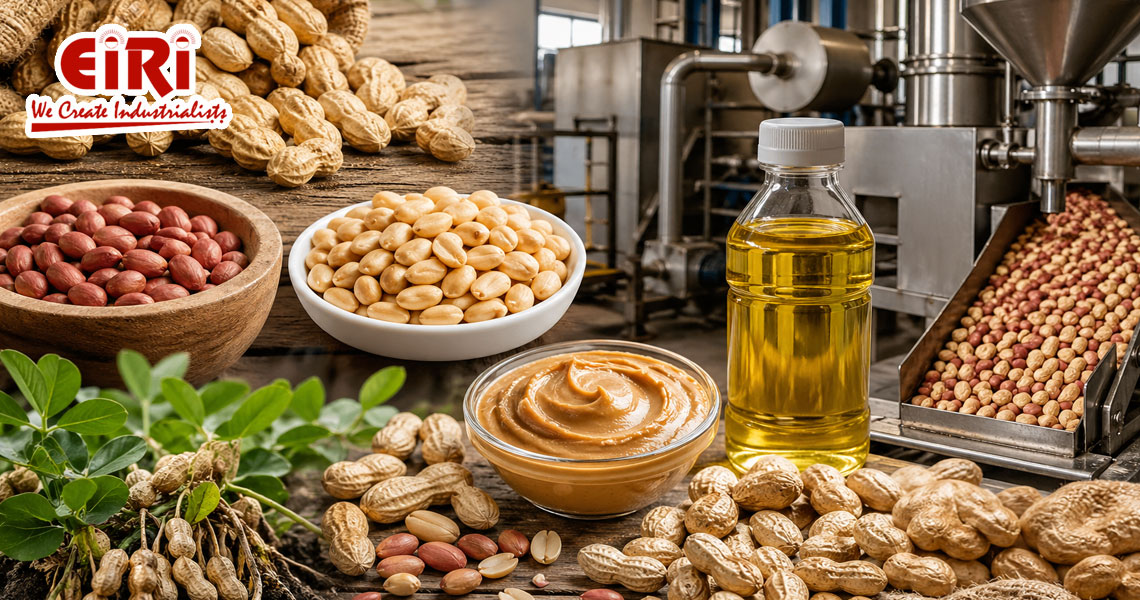
- Manufacturing Process: Invest in state-of-the-art equipment and technology for the oil extraction and refining process. Depending on the type of oil, the manufacturing process may involve crushing, pressing, solvent extraction, refining, and packaging.
- Quality Control: Implement stringent quality control measures at every stage of the manufacturing process to ensure the purity, freshness, and safety of your edible oils. Conduct regular quality tests and inspections to maintain product consistency and compliance with industry standards.
- Packaging and Distribution: Choose appropriate packaging materials that preserve the quality and shelf life of your edible oils. Establish efficient distribution channels to reach your target market, including wholesalers, retailers, and foodservice establishments.
Marketing and Branding Strategies:
- Build a Strong Brand Identity: Create a compelling brand identity that reflects the quality, purity, and reliability of your edible oils. Develop a memorable brand name, logo, and packaging design that resonates with your target audience.
- Digital Marketing: Leverage digital marketing channels such as social media, website, and online marketplaces to promote your brand and engage with consumers. Share informative content, recipes, and cooking tips to showcase the versatility of your edible oils.
- Retail Presence: Establish partnerships with supermarkets, grocery stores, and specialty food stores to expand your retail presence. Participate in food fairs, trade shows, and culinary events to showcase your products and connect with potential customers.
- Consumer Education: Educate consumers about the health benefits, culinary uses, and sustainability practices associated with your edible oils. Emphasize the nutritional value, purity, and natural ingredients of your products to attract health-conscious consumers.
- Customer Feedback: Encourage feedback and reviews from customers to gain insights into their preferences and improve product offerings. Respond promptly to customer inquiries and address any concerns to build trust and loyalty.
Challenges and Opportunities:
- Price Volatility: Fluctuations in raw material prices and market demand can pose challenges for edible oil manufacturers. Implementing effective supply chain management practices and diversifying your product portfolio can help mitigate risks associated with price volatility.
- Regulatory Compliance: Adhering to stringent food safety and quality regulations is essential for maintaining consumer trust and market credibility. Stay updated on regulatory changes and invest in compliance measures to ensure adherence to industry standards.
- Sustainability Concerns: Addressing sustainability concerns such as deforestation, biodiversity loss, and greenhouse gas emissions is crucial for the long-term viability of the edible oil industry. Explore sustainable sourcing practices, eco-friendly packaging options, and renewable energy solutions to minimize environmental impact.
- Technological Innovation: Embrace technological advancements such as automation, data analytics, and IoT-enabled systems to enhance efficiency, productivity, and product quality in your manufacturing operations. Investing in research and development initiatives can foster innovation and differentiation in the competitive edible oil market.
Conclusion:
The edible oil manufacturing business offers lucrative opportunities for entrepreneurs seeking to enter the food processing industry. By understanding market trends, investing in quality production processes, and implementing effective marketing strategies, you can establish a successful and sustainable edible oil manufacturing venture. Stay abreast of industry developments, consumer preferences, and regulatory requirements to navigate challenges and capitalize on emerging opportunities in the dynamic edible oil market.