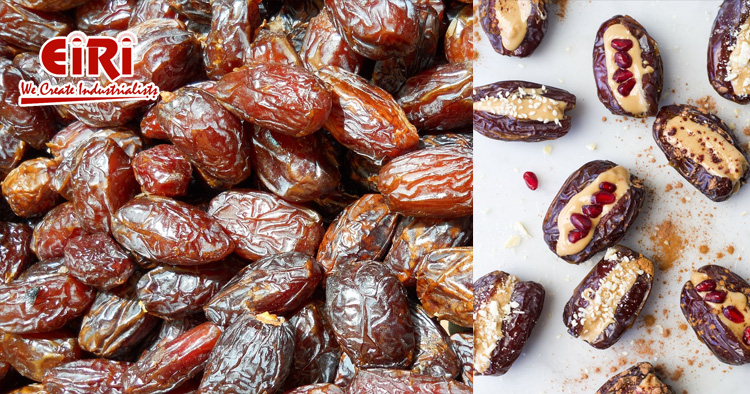
The date fruit processing industry plays a significant role in meeting the global demand for date products. Date fruits, harvested from the date palm tree, have been a staple food in many cultures for centuries. Known for their natural sweetness, rich flavor, and high nutritional value, dates are not only consumed as a standalone fruit but are also processed into various products to enhance their shelf life and versatility in culinary applications.
In recent years, the demand for processed date products has been steadily increasing, driven by factors such as changing consumer preferences, growing awareness of the health benefits of dates, and the rising popularity of Middle Eastern cuisine worldwide. Processed date products have found their way into a wide range of food and beverage categories, including snacks, confectionery, bakery, and functional foods.
History and Evolution
Date fruits have a long history of cultivation, dating back thousands of years to ancient Mesopotamia and Egypt. They have been prized for their sweet taste, energy-boosting properties, and symbolic significance in religious and cultural ceremonies. Over time, traditional methods of harvesting and processing date fruits have evolved into modern industrial techniques, allowing for greater efficiency, consistency, and quality control in production.
With advancements in technology and transportation, the global trade of date fruits and processed date products has expanded, enabling consumers from different parts of the world to enjoy these nutritious treats year-round. Today, the date fruit processing industry encompasses a diverse range of operations, from small-scale artisanal production to large-scale commercial processing facilities.
Types of Date Fruits
Date palms produce a wide variety of date fruits, each with its own unique characteristics and flavor profile. Some of the most popular types of dates include Medjool, Deglet Noor, Zahidi, Barhi, and Khadrawy, among others. These dates vary in size, color, texture, and taste, offering consumers a diverse range of options to choose from.
In the date fruit processing industry, different varieties of dates may be selected based on factors such as sweetness, moisture content, and suitability for specific applications. For example, Medjool dates are prized for their large size and rich flavor, making them ideal for use in premium date products such as stuffed dates and date-based desserts. Deglet Noor dates, on the other hand, are commonly used in date pastes, syrups, and spreads due to their lower moisture content and firmer texture.
Processing Techniques
The processing of date fruits involves several steps to ensure quality, safety, and preservation of the fruit's natural attributes. The process typically begins with the harvesting of ripe dates from the palm tree, followed by sorting and cleaning to remove any debris or impurities. The dates are then washed and sanitized to eliminate bacteria and other microorganisms.
Next, the dates may undergo various processing techniques depending on the desired end product. These techniques may include dehydration, pitting, slicing, or grinding, depending on whether the final product is intended to be a whole date, paste, syrup, or powder. Once processed, the dates are packaged in suitable containers to maintain freshness and prevent spoilage during storage and transportation.
Product Range
Processed date products come in a wide range of forms and flavors, catering to diverse consumer preferences and culinary applications. Some of the most common date products include:
- Date Paste: A thick, smooth paste made from mashed dates, often used as a natural sweetener and flavoring agent in baked goods, desserts, and savory dishes.
- Date Syrup: A thick, dark syrup made from boiled dates, commonly used as a topping for pancakes, waffles, and desserts, or as a sweetener in sauces and marinades.
- Date Sugar: A granulated sugar made from dried and ground dates, used as a natural sweetener in baking and cooking.
- Date Bars and Snacks: Convenient, portable snacks made from dates, nuts, and other ingredients, available in a variety of flavors and formats.
- Date-Filled Confectionery Items: Confections such as chocolates, truffles, and energy bars filled with date paste or syrup for added sweetness and flavor.
These processed date products offer consumers a convenient and nutritious alternative to traditional sweeteners and snacks, providing a natural source of energy, vitamins, and minerals.
Market Trends and Demand
The global market for processed date products has experienced significant growth in recent years, driven by changing consumer preferences, increased awareness of the health benefits of dates, and the growing popularity of Middle Eastern cuisine. As consumers seek healthier and more natural alternatives to traditional sweeteners and snacks, the demand for processed date products has surged, leading to expanded product offerings and distribution channels worldwide.
One of the key drivers of market growth is the rising demand for plant-based and natural ingredients in food and beverage products. Dates are naturally sweet and packed with nutrients, making them a popular choice for manufacturers looking to formulate healthier and more nutritious products. Additionally, the versatility of date products allows for a wide range of applications in various food categories, from baked goods and confections to savory dishes and beverages.
Another factor driving market growth is the increasing popularity of Middle Eastern cuisine and ingredients in global markets. Dates are a staple ingredient in many Middle Eastern recipes, adding sweetness, flavor, and texture to dishes such as tagines, couscous, and desserts. As consumers become more adventurous in their culinary pursuits, the demand for date products is expected to continue growing, creating opportunities for innovation and market expansion.
Health Benefits of Date Fruits
Date fruits are not only delicious but also packed with essential nutrients and health-promoting compounds. They are naturally high in fiber, vitamins, minerals, and antioxidants, making them a nutritious addition to any diet. Some of the key health benefits of date fruits include:
- Digestive Health: Dates are rich in dietary fiber, which promotes digestive health by preventing constipation and regulating bowel movements.
- Heart Health: Dates contain potassium, magnesium, and antioxidants, which help lower blood pressure, reduce cholesterol levels, and protect against heart disease.
- Energy Boost: Dates are a natural source of carbohydrates, making them an excellent energy booster for athletes and active individuals.
- Bone Health: Dates are rich in minerals such as calcium, phosphorus, and magnesium, which are essential for maintaining strong and healthy bones.
- Antioxidant Properties: Dates contain various antioxidants, including flavonoids, carotenoids, and phenolic acids, which help protect cells from damage caused by free radicals and reduce the risk of chronic diseases such as cancer and diabetes.
By incorporating date fruits and processed date products into their diets, consumers can enjoy these health benefits while satisfying their sweet cravings in a natural and nutritious way.
Challenges and Opportunities
While the date fruit processing industry offers numerous opportunities for growth and expansion, it also faces several challenges that must be addressed to ensure long-term success. Some of the key challenges include:
- Seasonal Variability: Date fruits are harvested seasonally, which can lead to fluctuations in supply and pricing throughout the year. Manufacturers must carefully manage their inventory and production schedules to meet customer demand while minimizing waste and spoilage.
- Quality Control: Maintaining consistent quality standards is essential for processed date products to ensure consumer satisfaction and safety. Manufacturers must implement rigorous quality control measures throughout the production process to identify and address any issues related to taste, texture, color, and shelf life.
- Sustainability: As consumer demand for sustainable and environmentally friendly products continues to grow, manufacturers must adopt eco-friendly practices and sourcing methods to minimize their environmental impact. This includes implementing energy-efficient manufacturing processes, reducing waste and packaging materials, and supporting sustainable farming practices.
- Market Competition: The processed date products market is highly competitive, with numerous players vying for market share. To stand out in the crowded marketplace, manufacturers must differentiate their products through innovation, branding, and marketing strategies. This may include introducing unique flavor profiles, packaging formats, and value-added features to attract and retain customers.
Despite these challenges, the date fruit processing industry presents several opportunities for growth and expansion. Some of the key opportunities include:
- Product Innovation: There is ample opportunity for product innovation and development in the processed date products market. Manufacturers can introduce new flavors, formats, and packaging options to appeal to changing consumer preferences and market trends. This may include launching organic, gluten-free, or vegan-friendly options, as well as exploring new applications and recipes for date products in various food and beverage categories.
- Market Expansion: The global market for processed date products is expanding rapidly, driven by increasing consumer awareness and demand. Manufacturers can capitalize on this growth by expanding their distribution channels and entering new geographic markets. This may include partnering with distributors, retailers, and e-commerce platforms to reach a wider audience of consumers both domestically and internationally.
- Health and Wellness Trends: With growing consumer interest in health and wellness, there is a growing demand for natural, nutrient-rich ingredients such as date fruits. Manufacturers can position their products as healthy and functional alternatives to traditional sweeteners and snacks, appealing to health-conscious consumers seeking clean label options. This may include highlighting the nutritional benefits of date products, such as their high fiber, vitamin, and mineral content, as well as their antioxidant properties and low glycemic index.
By leveraging these opportunities and addressing the challenges facing the industry, manufacturers can position themselves for success in the dynamic and evolving market for processed date products.
Future Outlook
Looking ahead, the future of the date fruit processing industry appears promising, with continued growth and innovation expected in the coming years. As consumer demand for natural, healthy, and sustainable food products continues to rise, the market for processed date products is poised for expansion, driven by factors such as:
- Increasing Consumer Awareness: As consumers become more educated about the health benefits of date fruits and processed date products, demand is expected to continue growing, particularly in emerging markets with rising disposable incomes and changing dietary habits.
- Technological Advancements: Advances in processing technologies and packaging materials are expected to improve the efficiency, safety, and quality of processed date products, allowing manufacturers to meet consumer demand for convenience, freshness, and shelf stability.
- Market Diversification: Manufacturers are likely to explore new product categories and applications for date fruits, expanding beyond traditional confectionery and bakery items to include functional foods, beverages, and dietary supplements. This may include launching innovative formulations such as date-based protein bars, energy drinks, and meal replacements to appeal to health-conscious consumers seeking convenient and nutritious options.
- Sustainable Sourcing: With growing awareness of environmental issues and sustainability concerns, consumers are increasingly seeking products that are ethically sourced, environmentally friendly, and socially responsible. Manufacturers are expected to prioritize sustainable farming practices, fair trade partnerships, and eco-friendly packaging solutions to meet consumer expectations and regulatory requirements.
Overall, the date fruit processing industry is poised for growth and innovation in the years to come, driven by changing consumer preferences, technological advancements, and evolving market trends. By staying attuned to consumer needs and market dynamics, manufacturers can capitalize on these opportunities to develop innovative products, expand their market presence, and drive sustainable growth in the global date fruit processing industry.