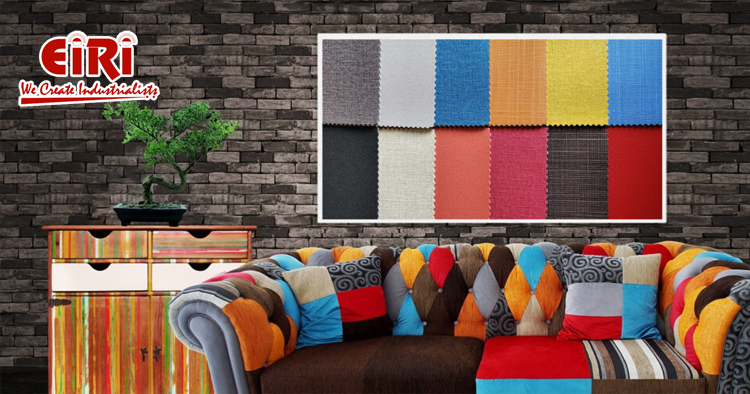
Coated fabrics are special kinds of materials that get an extra layer or treatment to make them stronger, stretchier, and more resistant to things like weather, water, and oil. These fabrics are used in different ways, like in making roofs, medical equipment, furniture, and even in vehicles. The process involves putting substances like rubber or plastic coatings onto the fabric, making it better at handling different conditions and lasting longer. The coating process also makes the fabric softer in some cases, adding to its usefulness in various applications.
One important use of coated fabrics is in making protective clothing for workers who deal with chemicals or other dangers in their jobs. This kind of clothing is crucial to keep them safe from harmful substances. Another interesting use is in the interior of cars, where coated fabrics improve the look and feel. They are coated with materials like rubber, plastic, or oil finishes to make them resistant to things like water, corrosion, and UV rays. So, coated fabrics are pretty cool materials that make our everyday things stronger, safer, and more durable.
Market Overview of Coated Fabric
The global coated fabrics market is poised for significant growth, with an anticipated valuation of US$ 46.3 billion by 2024 and a projected Compound Annual Growth Rate (CAGR) of 5.0% from 2024 to 2033.
By 2033, the market is expected to reach a total valuation of approximately US$ 73.8 billion. This growth is attributed to the increasing influence of eCommerce platforms and online retailing, presenting new opportunities for the coated fabrics market.
Key drivers of market expansion include a rising demand from diverse industries such as automotive, construction, aerospace, healthcare, and industrial sectors. In the automotive industry, coated fabrics find extensive use in interior and exterior applications, including seating, airbags, and upholstery. Similarly, the construction industry utilizes these fabrics for architectural membranes, roofing, and awnings, while the healthcare sector relies on them for medical gowns, protective clothing, and surgical drapes.
A notable trend contributing to market growth is the preference for lightweight materials across industries, emphasizing fuel efficiency, reduced emissions, and sustainability. Coated fabrics, being lightweight yet high-performing, serve as an excellent alternative to traditional materials like leather, metal, and glass. Their attributes, such as improved strength, durability, weather resistance, and flexibility, make them highly sought after in applications where weight reduction is crucial.
Investments in research and development play a significant role in advancing the coated fabrics market. Key industry players are heavily investing in R&D activities to introduce innovative products, exploring new materials, and enhancing overall fabric performance. This commitment to continuous research and development drives advancements in coated fabrics, expanding their application scope.
The market growth is further fueled by stringent safety and quality regulations in industries like automotive, aerospace, and healthcare. Coated fabrics play a vital role in meeting these regulatory standards by offering properties such as flame resistance, chemical resistance, and durability. As safety regulations become more stringent, the demand for high-performance coated fabrics that comply with these standards is expected to rise.
In terms of application, transportation dominated the market in 2022, holding around 34% of the market share in revenue, followed by furniture, commercial tents, industrial applications, protective clothing, and others. The transportation segment, particularly in the automotive industry, is expected to maintain its significant market share due to rising automobile sales and advancements in road and rail transportation. Coated fabrics play a crucial role in various automotive components, including seat belts, roofing, vehicle seats, airbags, and interiors, aligning with strict government policies regarding vehicle safety and security measures. The growing automotive industry, driven by increased demand for commercial and passenger vehicles, is anticipated to propel the Coated Fabrics Market's growth.
Growth Prospects in Asia Pacific Region
The Asia-Pacific region is poised to witness the fastest growth in the coated fabric market over the next few years. Countries like China and India are expected to emerge as major contributors to this growth, driven by expanding industries such as automotive, furniture, and protective clothing. The surge in demand for protective clothing is a direct response to stringent government regulations in the region, emphasizing the need for protection against heat, chemicals, and biological contaminants in routine work life. This demand is expected to further escalate with the region's growth in food processing, chemical processing, law enforcement, defense, and medical sectors, where protective clothing is integral.
Moreover, the widespread use of coated fabric in automobiles to enhance texture and appearance in vehicle interiors is set to fuel the market's expansion. The increasing need for polymer-coated cloth aligns with the booming automobile manufacturing sector in the region. Notably, according to the China Association of Automobile Manufacturers (CAAM), China stands as the world's largest automotive production base, producing a total of 27 million vehicles in 2022, reflecting a 3.4% increase compared to the previous year's 26 million units. In the first seven months of 2022 alone, the country witnessed a remarkable growth rate of 31.5% year over year, producing 14.57 million units of cars. With such robust growth indicators, the demand for coated fabric in the Asia-Pacific region is expected to experience significant growth throughout the forecast period.
Coated Fabric Types:
Polymer-Coated Fabrics:
- Market Dominance: The polymer-coated fabrics segment led the market with a revenue of USD 17,329.1 million in 2022.
- Projected Growth: Expected to grow at a robust CAGR of 6.2% over the forecast period, driven by escalating demand for airbags in automobiles and a surge in the need for protective clothing.
- Regional Influence: Anticipated growth is linked to the increasing production of automobiles in key Asian countries like China and India.
Rubber-Coated Fabrics:
- Market Leadership: The rubber-coated fabrics segment held a significant market share, generating a revenue of USD 1,937.1 million in 2022.
- Driving Factors: Growing demand is propelled by increased industrial activity, technological advancements, and stringent regulations focusing on worker safety and environmental impact.
- Sustainability Trends: Market demand is influenced by a heightened focus on sustainability and eco-friendly policies, with manufacturers incorporating recycled rubber and sustainable materials to reduce environmental impact.
Fabric-Backed Wall Coverings:
- CAGR Projection: The fabric-backed wall coverings segment is expected to grow at a CAGR of 5.9% over the forecast period.
- Sustainability Drive: Manufacturers embracing recycled rubber and sustainable materials contribute to reduced environmental impact, aligning with the growing emphasis on sustainability.
- Functional Benefits: Besides aesthetics, fabric-backed wall coverings provide insulation, offering warmth in winter and cooler temperatures in summer, contributing to increased demand.
- Installation Advantages: Easy installation methods, such as paste-the-wall or peel-and-stick, make fabric-backed wall coverings a cost-effective choice, particularly suitable for high-traffic areas like hotels, restaurants, and offices.
Role of Automotive Industry and Future Growth
The automotive industry plays a pivotal role in driving the coated fabric market, particularly in enhancing the aesthetics and functionality of car interiors. Various materials like resins, PVC, rubber, lacquer, plastics, and oil or varnish finishes are utilized to coat or process fabrics, creating automotive-coated fabrics that are resistant to corrosion, water, UV rays, rot, and oil repellency. OMNOVA, a key player, supplies high-performance coated fabric to global auto OEMs, renowned for its striking design, eco-friendly attributes, low emissions, appealing appearance, long-lasting performance, and excellent touch. The majority of automotive manufacturers use OMNOVA coated fabric upholsteries in their vehicles, contributing to the demand for coated fabrics in the automotive sector.
Additionally, the demand for polymer-coated fabric is anticipated to rise, driven by global automotive production growth and an increase in per-capita disposable income. This type of coated fabric finds applications in automotive soft tops, seat covers, upholstery, interiors of light vehicles, and airbags. Companies are also innovating by creating recyclable coated fabric for airbags, addressing sustainability concerns. For example, Toyobo developed a recyclable coated fabric for airbags, replacing the silicone polymer used in side curtain airbags with a recyclable nylon polymer coating.
The market for coated fabrics is also fueled by the increasing demand for protective clothing, driven by rapid industrialization and stringent government regulations on occupational safety. Polyurethane-coated fabrics, known for properties like flexibility at low temperatures, resistance to high impact, and durability in harsh weather conditions, are used in the production of high-altitude protective clothing, fire-retardant apparel, and chemical protective clothing (CPC). The CPC, made of rubber or PVC-coated fabrics, prevents chemical permeation and penetration, ensuring worker safety. The introduction of nanotechnology coating for textiles, as demonstrated by the Indian tech startup Muse Nanobots, further emphasizes the industry's commitment to innovation, with claims of inactivating the coronavirus within five minutes of contact, showcasing the relevance of protective clothing in today's industrial landscape.