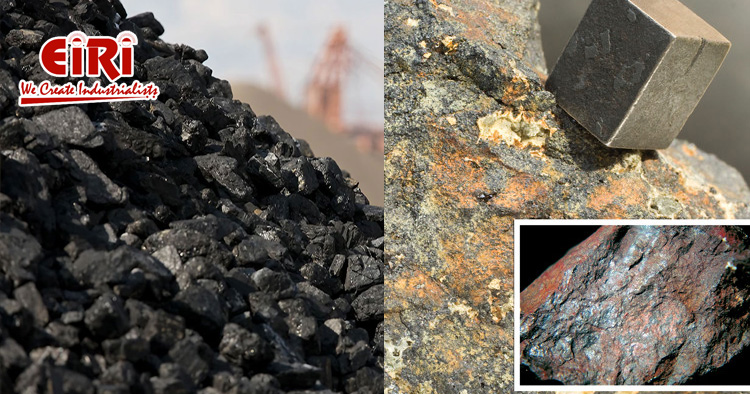
The coal and iron ore industries have long been integral components of the global economy, playing critical roles in energy production and manufacturing. As emerging markets continue to develop, and established economies adapt to changing demands, the opportunities within these sectors remain robust. This article aims to explore the profitable opportunities in coal and iron ore extraction, highlighting market demand, logistical challenges, and essential tips for launching a successful venture.
- Market Demand: The coal and iron ore industries are driven by strong demand from the energy and manufacturing sectors, particularly in developing countries where infrastructure and industrialization are rapidly growing.
- Logistical Challenges: Entrepreneurs face various logistical challenges, including obtaining necessary permits, managing transportation costs for bulk materials, and navigating global commodity price volatility.
- Comprehensive Research: Conducting thorough market research is crucial to understand demand dynamics, competitive landscapes, and pricing trends before entering the coal and iron ore market.
- Investment in Technology: Utilizing modern mining technologies and environmentally friendly practices can enhance efficiency, reduce costs, and attract clients focused on sustainability.
- Strategic Partnerships: Building partnerships with established industry players and logistics companies can provide access to resources, expertise, and streamlined operations, improving the chances of success in the coal and iron ore industry.
The demand for coal and iron ore is driven primarily by the industrial sector. Coal remains a significant source of energy, especially in power generation and steel production. While the world is moving towards greener energy sources, coal continues to be a crucial player, particularly in developing nations that require reliable and affordable energy sources to power their growth. According to the International Energy Agency (IEA), global coal demand is expected to stabilize, supported by Asia's continued reliance on coal for electricity generation.
Iron ore, on the other hand, is the backbone of the steel industry. As urbanization continues and infrastructure projects expand, the demand for steel remains strong. Countries like China and India are leading consumers of iron ore, driven by their rapid industrialization and construction needs. The World Steel Association has projected that global steel demand will continue to grow, particularly in developing regions, which in turn will sustain a healthy demand for iron ore.
Additionally, advancements in technology have led to innovations in steel production processes, increasing efficiency and creating a need for higher quality iron ore. As industries evolve, the emphasis on sustainability and eco-friendliness may drive demand for responsibly sourced materials, creating niche markets within the coal and iron ore sectors.
Logistical Challenges
Despite the promising market demand, entrepreneurs looking to enter the coal and iron ore industry must navigate various logistical challenges. Mining operations are inherently complex and require careful planning and execution. One of the primary challenges is obtaining the necessary permits and licenses. Mining regulations vary significantly across regions, and compliance with environmental standards is crucial to avoid costly fines and reputational damage.
Transporting coal and iron ore from extraction sites to processing facilities and ultimately to market poses another challenge. The bulk nature of these materials means that transportation logistics can be expensive. Entrepreneurs must consider the most cost-effective means of transportation, whether by rail, truck, or barge, and the infrastructure required to support these logistics. Proximity to major markets, such as steel mills for iron ore or power plants for coal, can significantly impact profitability.
Moreover, the volatility of global commodity prices presents an ongoing risk for new entrants. Prices for coal and iron ore can fluctuate based on geopolitical factors, supply chain disruptions, and changes in demand. Therefore, conducting thorough market research and having a robust risk management strategy is essential for success in this industry.
Launching a Successful Venture
Starting a venture in the coal and iron ore industry requires a comprehensive approach. Here are some tips for aspiring entrepreneurs looking to capitalize on these opportunities:
- Conduct Thorough Research: Understanding market dynamics, including demand forecasts and pricing trends, is critical. Research the competitive landscape to identify potential partners and customers. Networking with industry experts can provide valuable insights.
- Develop a Robust Business Plan: A well-structured business plan should outline your operational strategy, financial projections, and risk management plans. This plan will serve as a roadmap for your business and is often essential for securing funding.
- Invest in Technology: Technological advancements can improve efficiency and reduce operational costs. Implementing modern mining technologies, such as automation and data analytics, can enhance productivity and profitability. Investing in environmentally friendly practices can also attract consumers and clients focused on sustainability.
- Focus on Safety and Compliance: Safety regulations in mining are stringent due to the inherent risks involved. Prioritizing employee safety and compliance with regulations can mitigate risks and improve operational efficiency. Regular training and the use of modern safety equipment are essential.
- Build Strategic Partnerships: Collaborating with established players in the industry can provide access to resources, expertise, and networks. Partnerships with logistics companies can streamline the transportation of materials, while alliances with technology providers can enhance operational capabilities.
- Explore Diversification: While focusing on coal and iron ore, consider diversifying into related areas such as processing or recycling. Offering value-added services can enhance revenue streams and reduce dependency on market fluctuations.
- Engage with the Community: Building a positive relationship with local communities is crucial for long-term success. Engaging in community development initiatives and addressing environmental concerns can enhance your company’s reputation and ease potential regulatory hurdles.
- Monitor Environmental Impact: With increasing global emphasis on sustainability, being proactive about reducing the environmental impact of mining operations is essential. Implementing eco-friendly practices can not only help in compliance but also serve as a marketing advantage.
Conclusion
The coal and iron ore industries present significant opportunities for aspiring entrepreneurs, driven by ongoing market demand and industrial applications. While entering these sectors comes with its share of challenges, thorough research, strategic planning, and a focus on safety and sustainability can pave the way for a successful venture. By embracing technological advancements and fostering strong community relationships, new entrants can navigate the complexities of the industry and contribute positively to economic growth. As global markets evolve, those who adapt and innovate will undoubtedly find their niche within the coal and iron ore landscape.