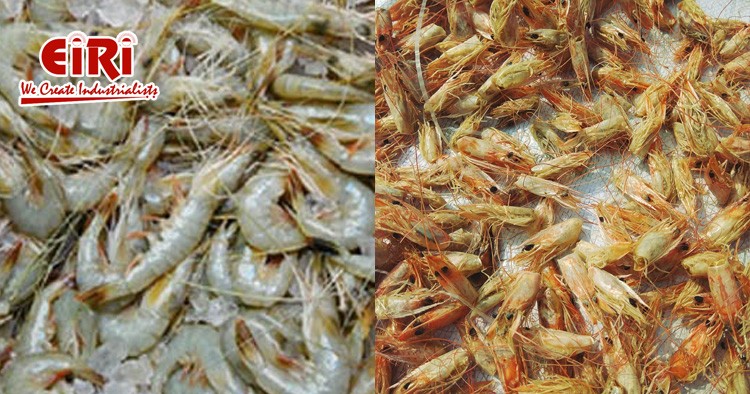
The seafood industry generates significant quantities of waste, with prawn shells being one of the largest contributors. Traditionally considered a byproduct of little value, prawn shell waste is now recognized as a valuable resource for producing chitin and its derivative, chitosan. These biopolymers have a wide range of applications in industries such as agriculture, medicine, food, cosmetics, and textiles, making their extraction an environmentally and economically sustainable innovation.
This article explores the production of chitin and chitosan from prawn shell waste, their properties, applications, market potential, and the challenges associated with their manufacture.
What are Chitin and Chitosan?
Chitin is a natural polymer found in the exoskeletons of crustaceans, insects, and fungi. It is the second most abundant biopolymer in nature after cellulose. Structurally, chitin is a long-chain polymer of N-acetylglucosamine, a derivative of glucose, which gives it strength and rigidity.
Chitosan is derived from chitin through a chemical process called deacetylation, where acetyl groups are removed from chitin's molecular structure. This modification makes chitosan water-soluble in acidic conditions, enhancing its functionality for various applications.
The Significance of Utilizing Prawn Shell Waste
Prawn shell waste is a rich source of chitin, yet it often ends up in landfills or as environmental pollutants. By extracting chitin and chitosan, this waste can be transformed into high-value products, contributing to sustainable waste management and resource utilization.
Environmental Benefits
- Reduces the environmental burden of seafood waste disposal.
- Promotes circular economy practices by turning waste into valuable materials.
Economic Advantages
- Provides an additional revenue stream for the seafood industry.
- Supports industries reliant on biodegradable and eco-friendly materials.
The Process of Extracting Chitin and Chitosan
The production of chitin and chitosan from prawn shell waste involves several key steps, including deproteinization, demineralization, and deacetylation. Each step is critical to ensuring the quality and purity of the final product.
1. Collection and Preparation of Shell Waste
Prawn shells are collected from seafood processing units and cleaned to remove residual flesh and impurities. The cleaned shells are then dried and ground into fine particles to facilitate chemical processing.
2. Deproteinization
The shells are treated with an alkaline solution, such as sodium hydroxide, to remove proteins. This step is essential for isolating the chitin, as proteins constitute a significant portion of prawn shells.
3. Demineralization
The deproteinized shells are subjected to acid treatment, typically using hydrochloric acid, to remove calcium carbonate and other minerals. This process yields raw chitin, which can be further purified if necessary.
4. Deacetylation
To produce chitosan, the chitin is treated with concentrated alkali at high temperatures. This deacetylation process converts chitin into chitosan by removing acetyl groups from its molecular structure, making it soluble in dilute acidic solutions.
5. Drying and Packaging
The final product is washed, neutralized, and dried before being packaged for industrial or research use.
Properties of Chitin and Chitosan
Both chitin and chitosan possess unique properties that make them highly desirable across various industries:
Chitin
- High tensile strength and flexibility.
- Biodegradable and biocompatible.
- Naturally antimicrobial.
Chitosan
- Water-soluble in acidic conditions.
- Excellent film-forming and adhesive properties.
- Biodegradable, non-toxic, and biocompatible.
- Antibacterial and antifungal activities.
Applications of Chitin and Chitosan
The versatility of chitin and chitosan has led to their adoption in numerous fields, each leveraging their unique properties to address specific needs.
1. Agriculture
- Fertilizers and Soil Conditioners: Chitin and chitosan improve soil health by enhancing microbial activity and promoting plant growth.
- Pesticides: Chitosan acts as a natural pest repellent and helps strengthen plant immunity.
2. Medicine and Pharmaceuticals
- Wound Healing: Chitosan-based dressings promote faster wound healing due to their antibacterial properties.
- Drug Delivery: Chitosan serves as a carrier for controlled drug release systems.
- Tissue Engineering: Chitin is used as a scaffold material in regenerative medicine.
3. Food Industry
- Preservation: Chitosan is used as a natural preservative to extend the shelf life of perishable foods.
- Packaging: Biodegradable films made from chitosan offer an eco-friendly alternative to plastic.
4. Cosmetics
- Skincare Products: Chitosan is used in anti-aging creams and moisturizers for its hydrating and antimicrobial properties.
- Haircare: It is an active ingredient in shampoos and conditioners for its ability to enhance hair texture and shine.
5. Water Treatment
- Chitosan is an effective flocculant for removing suspended solids and impurities from wastewater.
6. Textile Industry
- Chitin-based coatings are used to create antimicrobial fabrics.
- Chitosan enhances dye absorption and improves the strength of textile fibers.
Market Potential and Growth Prospects
The global market for chitin and chitosan is expanding rapidly, driven by the rising demand for biodegradable and sustainable materials. According to industry reports, the market is projected to grow at a compound annual growth rate (CAGR) of over 14% in the coming years.
Key Drivers
- Growing environmental awareness and preference for eco-friendly products.
- Increased applications in high-growth sectors like healthcare, agriculture, and food packaging.
- Innovations in extraction technologies, reducing production costs and improving yield.
Challenges in Chitin and Chitosan Manufacturing
Despite their immense potential, the production of chitin and chitosan faces several challenges:
1. High Production Costs
The chemical processes involved in extraction and purification are resource-intensive, contributing to high production costs. Innovations in green chemistry and enzymatic methods may help address this issue.
2. Limited Raw Material Availability
The availability of prawn shell waste is dependent on the seafood industry, leading to seasonal and regional fluctuations in raw material supply.
3. Environmental Concerns
While the use of prawn shell waste is eco-friendly, the chemical processes used in production generate waste and emissions. Developing more sustainable extraction methods is a priority for the industry.
Conclusion
The extraction of chitin and chitosan from prawn shell waste is a shining example of how innovation can transform waste into a valuable resource. By leveraging the unique properties of these biopolymers, industries can develop sustainable and eco-friendly solutions to meet the demands of modern consumers.
As the global market for biodegradable materials continues to grow, the chitin and chitosan industry stands poised for significant expansion. With advancements in technology and a focus on sustainability, the future of this industry is bright, offering immense opportunities for businesses and researchers alike.