In today's dynamic market landscape, entrepreneurs are constantly seeking innovative business ideas that offer growth potential and profitability. One such promising venture is the production and distribution of cellophane film or cellophane wrap. Cellophane or Plastic Shrink Wrap, a transparent and flexible film made from cellulose, has a wide range of applications across various industries, making it an attractive option for aspiring business owners. This article explores the lucrative business potential of cellophane film, its diverse uses, manufacturing process, market trends, and key considerations for entrepreneurs looking to enter this thriving industry.
Global Cellophane Market is projected to reach USD 325 million by 2022, is forecasted to grow at a CAGR of 5% from 2023 to 2032, reaching USD 480 million by 2032.
Understanding Cellophane Film:
Cellophane film, also known as cellophane wrap, is a thin, transparent material made from regenerated cellulose, typically derived from wood pulp or cotton linters. It is biodegradable, compostable, and eco-friendly, making it a sustainable packaging solution compared to conventional plastic films. Cellophane offers excellent moisture resistance, oxygen barrier properties, and heat-sealing capabilities, making it ideal for packaging various products, including food items, cosmetics, pharmaceuticals, and more.
Applications of Cellophane Film:
The versatility of cellophane film enables its use across a wide range of industries and applications:
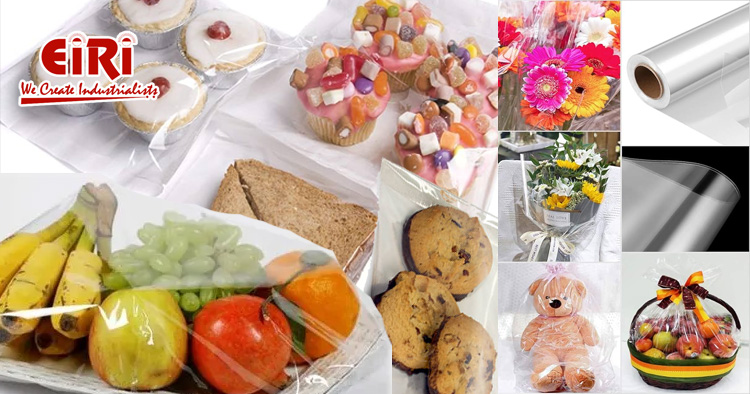
- Food Packaging: Cellophane wrap is commonly used for packaging food items such as chocolates, candies, snacks, bakery products, and confectionery. Its transparent nature allows consumers to see the contents of the package while providing protection against moisture and contamination.
- Gift Wrapping: Cellophane film is a popular choice for gift wrapping due to its crisp, shiny appearance and ease of use. It adds a touch of elegance to gift packages and can be customized with various colors, patterns, and designs.
- Floral Wrapping: Florists often use cellophane wrap to package flower bouquets and arrangements. Its transparent and waterproof properties help preserve the freshness and beauty of the flowers while enhancing their visual appeal.
- Industrial Packaging: Cellophane film is also utilized for industrial packaging applications such as wrapping cigarettes, cigars, and pharmaceutical products. Its high clarity and moisture resistance make it suitable for protecting sensitive goods during storage and transportation.
Manufacturing Process of Cellophane Film:
The production of cellophane film involves several stages:
- Cellulose Extraction: Cellulose fibers are extracted from wood pulp or cotton linters through a chemical process known as viscose.
- Film Formation: The extracted cellulose is dissolved in a solvent to form a viscous solution, which is then extruded through a narrow slit to form a thin film.
- Regeneration: The extruded film is immersed in a bath of coagulating agents, such as sulfuric acid or sodium sulfate, to solidify and regenerate the cellulose into a solid film.
- Washing and Drying: The regenerated film is thoroughly washed to remove any residual chemicals and then dried to achieve the desired moisture content.
- Finishing: The dried film may undergo additional treatments such as coating, printing, or embossing to enhance its properties and appearance.
Market Trends and Growth Opportunities:
The global market for cellophane film is experiencing steady growth due to several key factors:
- Increasing Demand for Sustainable Packaging: With growing environmental awareness and concerns about plastic pollution, there is a rising demand for eco-friendly packaging solutions like cellophane film. Businesses and consumers are seeking alternatives to conventional plastics, driving the adoption of biodegradable and compostable packaging materials.
- Expansion of Food and Beverage Industry: The food and beverage industry is one of the primary consumers of cellophane film, particularly for packaging perishable goods. As the global population continues to grow, the demand for packaged food products is expected to rise, creating opportunities for cellophane film manufacturers.
- Shift Towards Online Retail: The rapid expansion of e-commerce and online retail platforms has led to increased demand for packaging materials that offer product visibility, protection, and convenience. Cellophane wrap is well-suited for packaging goods sold online, driving its adoption among e-commerce businesses.
- Innovation in Packaging Design: The versatility of cellophane film allows for creative packaging designs and branding opportunities. Businesses are leveraging customized cellophane packaging to enhance product presentation, attract consumers' attention, and differentiate their brand in the competitive market landscape.
Cellophane Film Growth Trends - The Rising Demand for Cellophane Packaging
In today's world, where environmental consciousness is at the forefront, the cellophane market is witnessing significant growth driven by the increasing focus on sustainable packaging solutions. This article explores the key drivers behind the rise of cellophane packaging and its potential to revolutionize the packaging industry.
Growing Focus on Sustainable Packaging
The escalating demand for sustainable packaging solutions is propelling the growth of the global cellophane market. With the packaging industry being one of the largest contributors to environmental pollution, there is a pressing need for eco-friendly alternatives to traditional packaging materials like plastic and thermocol. According to the World & Resource Action Program, the production of over 141 million tonnes of plastic packaging annually results in a staggering 1.8 billion tonnes of carbon emissions. The surge in e-commerce activities has further exacerbated environmental concerns, with billions of products being shipped worldwide, adding to the plastic waste burden.
Excellent Characteristics Driving Adoption
Cellophane emerges as a promising solution due to its remarkable characteristics that cater to the demands of both consumers and brands. As a transparent material, cellophane enhances product visibility, allowing consumers to inspect the contents clearly. Whether it's food items, pharmaceuticals, or consumer goods, cellophane packaging ensures transparency and integrity. From a branding perspective, cellophane offers versatility in printing and branding, enabling companies to showcase their products effectively and enhance brand recognition. Its adaptability to various printing techniques makes it an ideal choice for brands seeking to elevate their packaging aesthetics.
The future of the cellophane market appears promising as businesses and consumers alike embrace sustainability as a core value. With governments worldwide implementing regulations to curb the use of non-biodegradable packaging materials, the demand for eco-friendly alternatives like cellophane is expected to soar. As awareness of environmental issues grows, suppliers are increasingly turning to cellophane packaging to meet consumer preferences and regulatory requirements.
The rise of cellophane packaging signifies a paradigm shift towards sustainability in the packaging industry. As stakeholders across the supply chain prioritize environmental stewardship, cellophane emerges as a beacon of hope, offering a sustainable solution without compromising on quality or performance.
Key Considerations for Entrepreneurs:
Before venturing into the cellophane film business, aspiring entrepreneurs should consider the following factors:
- Market Research: Conduct thorough market research to understand the demand for cellophane film in target industries, identify potential customers, and assess competitors.
- Manufacturing Setup: Evaluate the requirements for setting up a cellophane film manufacturing facility, including equipment, raw materials, production processes, and regulatory compliance.
- Quality Control: Implement stringent quality control measures to ensure that the manufactured cellophane film meets industry standards for clarity, strength, and barrier properties.
- Sustainability Practices: Embrace sustainable manufacturing practices and source eco-friendly raw materials to appeal to environmentally conscious consumers and comply with regulatory requirements.
- Marketing and Distribution: Develop a robust marketing strategy to promote the benefits of cellophane film and establish distribution channels to reach target markets effectively.
Conclusion:
The business potential of cellophane film is vast, driven by its eco-friendly properties, versatility, and wide-ranging applications across various industries. Entrepreneurs exploring new business opportunities can capitalize on the growing demand for sustainable packaging solutions and leverage the benefits of cellophane film to establish a successful and profitable venture in the dynamic packaging industry. By understanding market trends, investing in quality manufacturing processes, and adopting innovative marketing strategies, entrepreneurs can position themselves for long-term success in the burgeoning cellophane film market.