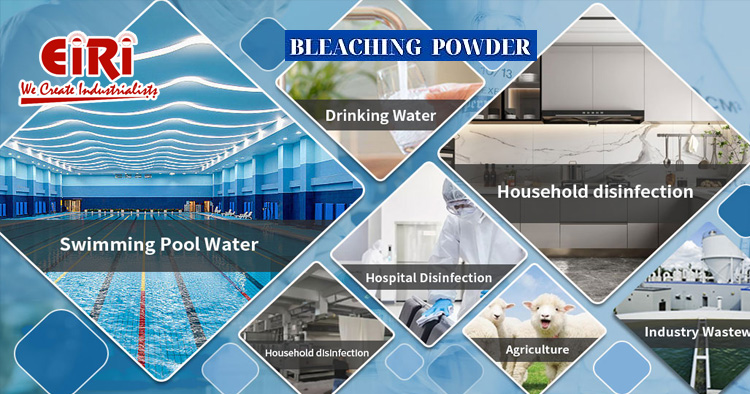
Calcium hypochlorite, commonly known as stable bleaching powder, is a chemical compound with versatile applications across various industries. From water treatment to disinfection and sanitation, calcium hypochlorite plays a crucial role in maintaining cleanliness and hygiene. In this comprehensive guide, we will explore the properties, uses, manufacturing process, and safety considerations associated with calcium hypochlorite granules or powder.
Calcium hypochlorite is typically available in granular or powder form, with a white to pale yellow color. It is soluble in water, producing hypochlorous acid and calcium hydroxide when dissolved. The compound is highly reactive and exhibits strong oxidizing properties, making it effective for disinfection and bleaching purposes. Calcium hypochlorite has a characteristic chlorine odor and is stable under proper storage conditions.
Uses of Calcium Hypochlorite:
- Water Treatment: One of the primary applications of calcium hypochlorite is in water treatment processes. It is used to disinfect and sanitize drinking water, swimming pools, and wastewater to eliminate harmful microorganisms, bacteria, and algae.
- Disinfection and Sanitation: Calcium hypochlorite is widely utilized as a disinfectant and sanitizer in various industrial, commercial, and household settings. It is effective in killing bacteria, viruses, and other pathogens on surfaces, equipment, and utensils.
- Bleaching Agent: As a powerful oxidizing agent, calcium hypochlorite is employed as a bleaching agent in the textile, pulp and paper, and detergent industries. It is used to remove stains, whiten fabrics, and brighten surfaces.
- Agriculture: In agriculture, calcium hypochlorite is utilized for crop protection and disease control. It helps prevent the spread of fungal infections and bacterial diseases in plants and soil.
- Oil and Gas Industry: Calcium hypochlorite is used for well stimulation and treatment in the oil and gas industry. It helps control bacterial growth and biofouling in oil wells and pipelines.
Market Overview of Calcium Hypochlorite (Stable Bleaching Powder)
The Calcium Hypochlorite Market Size reached USD 5.1 billion in 2022 and is expected to grow to USD 5.9 billion by 2032, with a CAGR of 1.67%. Increasing demand is attributed to the rise in water treatment facilities globally.
Calcium hypochlorite, with the chemical formula Ca(ClO)2, serves as a cornerstone in various industrial applications, prominently featured in water treatment processes and as a potent bleaching agent. Renowned for its stability and high chlorine content compared to sodium hypochlorite, this compound holds a pivotal role in ensuring water safety and sanitation. Its granular or powder form, often perceived as yellowish despite its actual white solid nature, emanates a distinct chlorine odor, indicative of its slow breakdown in humid conditions. The global demand for freshwater resources, exacerbated by extensive agricultural practices, urbanization, and increasing population, remains a primary catalyst driving the calcium hypochlorite market.
With over 2 billion individuals worldwide lacking access to clean drinking water and projections indicating worsening water stress by 2030, the necessity for affordable and safe drinking water is more pressing than ever. Additionally, water scarcity poses significant challenges to food security, with irrigation agriculture consuming a substantial portion of global freshwater resources. As agricultural production must surge by approximately 70% by 2050 to meet escalating demands, the efficient utilization of water resources becomes imperative. Calcium hypochlorite emerges as a crucial component in water treatment initiatives, safeguarding water quality and combating waterborne diseases, thereby contributing to sustainable agricultural practices and food production.
The versatility of calcium hypochlorite extends beyond water treatment, encompassing an array of applications spanning disinfection, sanitation, and bleaching across various industries. Its stability in dry storage and potent oxidizing properties render it indispensable in disinfecting wastewater for repurposing as freshwater, addressing the burgeoning global demand for clean water. Furthermore, calcium hypochlorite finds widespread use in household cleaning products, textile bleaching, and industrial processes, reflecting its ubiquitous presence in modern-day sanitation and hygiene practices. However, prudent handling and storage practices are imperative, given its corrosive and reactive nature, emphasizing the importance of stringent safety protocols and regulatory compliance.
Calcium hypochlorite stands as a cornerstone in ensuring water safety, sanitation, and hygiene across diverse sectors. As global water scarcity intensifies and the demand for clean water escalates, the significance of calcium hypochlorite in water treatment and sanitation processes becomes increasingly pronounced. By leveraging its potent disinfectant properties and stability, calcium hypochlorite emerges as a critical enabler of sustainable water management practices, paving the way for enhanced agricultural productivity, public health, and environmental stewardship.
Manufacturing Process of Calcium Hypochlorite:
The manufacturing process of calcium hypochlorite involves several steps, including:
- Calcium Hydroxide Slurry: Calcium hydroxide (slaked lime) is first mixed with water to form a slurry.
- Chlorination: The calcium hydroxide slurry is then reacted with chlorine gas in a specialized reactor under controlled conditions. This reaction produces calcium hypochlorite and calcium chloride.
- Filtration and Drying: The resulting calcium hypochlorite solution is filtered to remove impurities, and the filtrate is then evaporated to obtain calcium hypochlorite crystals or granules.
- Packaging: The final product is packaged in suitable containers, such as bags or drums, for storage and distribution.
Safety Considerations:
While calcium hypochlorite is an effective disinfectant and sanitizer, it is essential to handle it with care due to its corrosive and oxidizing properties. Some key safety considerations include:
- Protective Gear: Operators handling calcium hypochlorite should wear appropriate personal protective equipment (PPE), including gloves, goggles, and respiratory protection, to prevent skin contact, eye irritation, and inhalation of fumes.
- Proper Ventilation: Work areas where calcium hypochlorite is used should be well-ventilated to minimize exposure to airborne chlorine gas and vapors.
- Storage and Handling: Calcium hypochlorite should be stored in a cool, dry, and well-ventilated area away from incompatible substances such as acids, ammonia, and organic materials. It should be kept tightly sealed in its original container to prevent moisture absorption and degradation.
- Spill Response: In the event of a spill or release, containment measures should be implemented promptly, and spilled material should be neutralized with appropriate absorbents and disposed of safely according to regulatory guidelines.
- Chemical Incompatibility: Calcium hypochlorite should not be mixed or stored with other chemicals, especially acids or ammonia-based compounds, as this may result in hazardous reactions and release of toxic gases.
Calcium Hypochlorite Market Growth Trends
The Global Calcium Hypochlorite Market is propelled by significant market growth trends, including the increasing occurrence of water-borne diseases globally. As the global population rises and urbanization accelerates, densely populated areas often face challenges with sanitation, leading to a rise in water-borne illnesses. This trend drives the demand for calcium hypochlorite, given its crucial role in water purification processes. Organizations such as the World Health Organization and UNICEF emphasize the necessity of improved sanitation and access to safe drinking water for billions of people, further highlighting the importance of calcium hypochlorite in addressing these challenges.
Moreover, the COVID-19 pandemic has underscored the importance of maintaining hygienic environments worldwide. The initial scarcity of essential hygiene resources like water and soap, particularly in regions with fragile healthcare systems, heightened global awareness of hygiene practices to combat the virus. This increased focus on hygiene has led to a surge in demand for calcium hypochlorite, which is widely used in disinfection and sanitation efforts. Additionally, the growing utilization of calcium hypochlorite in various water treatment applications, including disinfection processes in water distillation and sanitation of wastewater treatment plants and public swimming pools, further drives market growth. These trends collectively contribute to the expanding demand for calcium hypochlorite and its essential role in ensuring access to clean water amid increasing concerns over freshwater contamination.
Conclusion:
Calcium hypochlorite granules or powder, also known as stable bleaching powder, is a versatile chemical compound with widespread applications in water treatment, disinfection, sanitation, bleaching, agriculture, and industrial processes. Its potent oxidizing properties make it an effective agent for killing microorganisms, removing stains, and controlling diseases. However, proper handling, storage, and safety precautions are essential to mitigate risks associated with its corrosive and reactive nature. By understanding the properties, uses, manufacturing process, and safety considerations of calcium hypochlorite, industries and individuals can harness its benefits while ensuring safety and environmental responsibility.