In recent years, there has been a growing trend towards healthier and more natural food choices, driven by consumer awareness and changing dietary preferences. One such emerging trend is the increasing demand for A2 cow milk, prized for its purported health benefits and superior nutritional profile. As consumers seek alternatives to conventional milk products, the A2 cow milk processing business presents a promising opportunity for entrepreneurs looking to capitalize on this trend and establish a profitable venture in the dairy industry.
In 2023, the A2 milk market reached US$ 13.4 Billion, projected to hit US$ 47.8 Billion by 2032, with a CAGR of 14.8% from 2024 to 2032.
A2 cow milk is a type of milk that contains predominantly A2 beta-casein protein, as opposed to A1 beta-casein protein found in conventional milk. This distinction is based on genetic variations in dairy cattle, with certain breeds, such as the indigenous Indian cow breeds like Gir, Sahiwal, and Red Sindhi, naturally producing A2 milk. Proponents of A2 milk claim that it offers various health benefits, including easier digestion, reduced risk of lactose intolerance, and potential relief from digestive discomforts associated with A1 milk consumption.
A2 milk stands apart from conventional cow's milk due to its unique composition, primarily containing the A2 beta-casein protein rather than the A1 beta-casein protein. Derived from specific breeds of cows like Guernsey, Jersey, Holstein, and Brown Swiss, A2 milk has garnered attention as a functional beverage offering potential digestive benefits. This interest stems from a growing awareness of health and wellness among consumers, who seek alternatives to traditional dairy products.
Compared to conventional milk, A2 milk closely resembles the protein composition found in human breast milk, goat milk, sheep milk, and buffalo milk. This similarity, coupled with increased consumer spending and heightened product awareness through advertising, has driven the demand for A2 milk. Consumers also show a preference for sustainably sourced beverages with simplified labels, no additives/preservatives, non-GMO ingredients, and recognizable ingredient lists, further boosting the appeal of A2 milk.
Moreover, the versatility of A2 milk powder as an ingredient has contributed to its rising popularity. Its digestive-friendly attributes make it a sought-after choice for infant formulas, prompting global brands to innovate and introduce A2 milk-based formulas. Despite its benefits, the higher cost of A2 milk compared to conventional milk acts as a barrier to market expansion. However, the increasing recognition of its health benefits and the growing demand for natural, sustainable products suggest a promising future for the A2 milk market.
Market Potential and Demand of A2 Milk Processing:
The market for A2 cow milk has experienced significant growth in recent years, driven by increasing consumer awareness of health and wellness, rising concerns about food allergies and intolerances, and a preference for natural and organic food products. As consumers become more discerning about the quality and origin of their food, there is a growing demand for A2 milk and dairy products derived from A2 milk.
According to industry reports, the global A2 milk market is projected to witness substantial growth in the coming years, fueled by factors such as urbanization, higher disposable incomes, and changing dietary habits. In regions like India, where traditional cow breeds are revered and A2 milk enjoys cultural significance, the market potential is particularly significant. Additionally, the growing popularity of A2 milk in countries like the United States, Australia, and New Zealand presents lucrative export opportunities for A2 milk processors.
A2 Milk Market Growth Drivers
A2 milk's market growth is driven by rising health consciousness, demand for clean label products, and increasing cases of lactose intolerance worldwide. Consumers seek its nutritional and digestive benefits, including relief from digestive issues and personalized health choices. A2 milk aligns with the global shift towards healthier beverages and benefits from educational campaigns highlighting its advantages.
- Rising Health Consciousness: Consumers are increasingly prioritizing health and wellness, leading to a growing demand for products that meet their nutritional needs. A2 milk, perceived as a healthier alternative, aligns with this trend, driving its adoption among health-conscious consumers.
- Preference for Clean Label Products: The evolving consumer preference for "clean" and natural products is propelling the demand for A2 milk. Products with simplified labels, devoid of additives, preservatives, and GMO ingredients, resonate well with consumers seeking transparency and purity in their food choices.
- Increasing Lactose Intolerance Cases: The prevalence of lactose intolerance, affecting around 75% of the adult population worldwide, is driving the shift towards A2 milk. As an A1 beta-casein-free option, A2 milk addresses the needs of lactose-intolerant individuals, contributing to its growing popularity.
- Nutritional and Digestive Benefits: Consumers are drawn to A2 milk for its perceived nutritional value and digestive benefits. It is believed to offer relief from digestive issues like irritable bowel syndrome and is considered easier to digest compared to traditional dairy products, further fueling its adoption.
- Personalized Health Choices: The ability of A2 milk to cater to individual health preferences and dietary requirements is driving its acceptance. Consumers choose A2 milk based on factors such as its nutritional composition, potential health benefits, and personal taste preferences, contributing to its market growth.
- Global Shift Towards Healthy Beverages: With a global shift towards healthier beverage choices, A2 milk emerges as a popular option due to its perceived health benefits and digestive properties. As consumers increasingly seek beverages that promote overall well-being, A2 milk gains traction in the market.
- Educational Campaigns and Awareness: Increased awareness through educational campaigns about the differences between A1 and A2 milk and its potential health benefits is driving consumer interest and adoption. As consumers become more informed about the advantages of A2 milk, its market share continues to expand.
Business Model and Operations:
Launching a successful A2 cow milk processing business requires careful planning, strategic investment, and a thorough understanding of dairy processing techniques. Here are key steps involved in establishing and operating an A2 milk processing venture:
- Procurement of A2 Cow Milk: The first step is to establish a reliable supply chain of A2 cow milk from dairy farmers or cooperatives. This may involve sourcing milk directly from dairy farms that specialize in A2 cow breeding or collaborating with suppliers who can provide certified A2 milk.
- Milk Collection and Transportation: Once the milk is procured, it needs to be collected, transported, and stored under hygienic conditions to maintain freshness and quality. Investing in refrigerated milk tankers or storage facilities is essential to preserve the integrity of the milk during transit.
- Milk Processing and Pasteurization: The raw A2 cow milk undergoes processing and pasteurization to ensure safety and compliance with regulatory standards. This involves heating the milk to eliminate harmful bacteria while preserving its nutritional properties and flavor.
- Packaging and Labeling: Processed A2 milk is then packaged into containers, such as bottles, cartons, or pouches, and labeled with relevant information, including the production date, expiration date, nutritional content, and branding. Attention to packaging design and labeling is crucial for attracting consumers and building brand trust.
- Distribution and Marketing: The final step involves distributing the packaged A2 milk to retailers, supermarkets, specialty stores, and online platforms. Effective marketing strategies, such as advertising campaigns, promotions, and social media outreach, are essential for raising awareness, educating consumers about the benefits of A2 milk, and driving sales.
Regulatory Compliance and Quality Assurance:
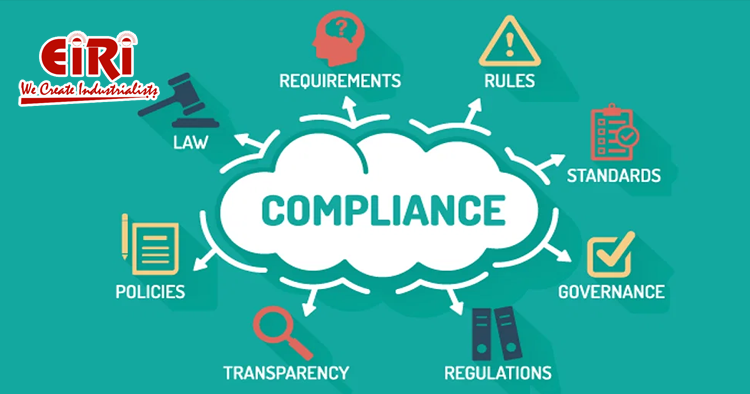
Operating a successful A2 cow milk processing business requires strict adherence to regulatory standards and quality assurance measures to ensure product safety and consumer satisfaction. This includes compliance with food safety regulations, hygiene standards, and quality control protocols at every stage of the production process, from milk procurement to packaging and distribution.
Investing in state-of-the-art dairy processing equipment, implementing robust quality management systems, and conducting regular testing and analysis of milk samples for purity, composition, and microbial contamination are essential practices for maintaining product integrity and regulatory compliance.
Challenges and Considerations:
While the A2 cow milk processing business offers lucrative opportunities, it also poses certain challenges and considerations that entrepreneurs must address:
- Supply Chain Management: Ensuring a consistent and reliable supply of A2 cow milk can be challenging, particularly if sourcing from small-scale dairy farmers or remote rural areas. Building strong relationships with suppliers and implementing effective supply chain management practices are crucial for overcoming this challenge.
- Technological Investment: Investing in modern dairy processing equipment and technology infrastructure represents a significant upfront cost for A2 milk processors. Entrepreneurs must carefully assess their capital requirements and budget for essential equipment, machinery, and facilities to ensure efficient operations and product quality.
- Market Competition: The A2 milk market is becoming increasingly competitive, with established dairy companies and new entrants vying for market share. To stand out in a crowded marketplace, entrepreneurs must differentiate their brand, product offerings, and marketing strategies to appeal to target consumers and gain a competitive edge.
- Consumer Education: Despite the growing awareness of A2 milk, many consumers may still be unfamiliar with its benefits or skeptical of its claims. Educating consumers about the nutritional advantages of A2 milk, addressing misconceptions, and building trust through transparent communication are essential for expanding market reach and driving demand.
Conclusion:
The A2 cow milk processing business presents a compelling opportunity for entrepreneurs seeking to enter the dairy industry and capitalize on the growing demand for natural and healthy food products. By leveraging the nutritional benefits of A2 milk, implementing efficient production processes, and adhering to stringent quality standards, entrepreneurs can establish a successful and sustainable venture that meets the needs of health-conscious consumers worldwide. With careful planning, strategic investment, and a commitment to excellence, the A2 milk processing business holds immense potential for growth and profitability in the years to come.