In recent years, the world has become increasingly aware of the environmental impact of traditional plastics. Made from non-renewable petroleum-based resources, conventional plastics contribute significantly to pollution and take hundreds of years to decompose. As concerns over plastic pollution grow, there is a rising demand for sustainable alternatives. Bioplastics, produced from renewable sources like corn starch, sugarcane, and other biomass, offer an eco-friendly solution. This article explores the concept of bioplastics manufacturing, the reasons to start such a venture, and the potential impact on India's environmental and economic landscape.
The Need for Bioplastics
Environmental Concerns
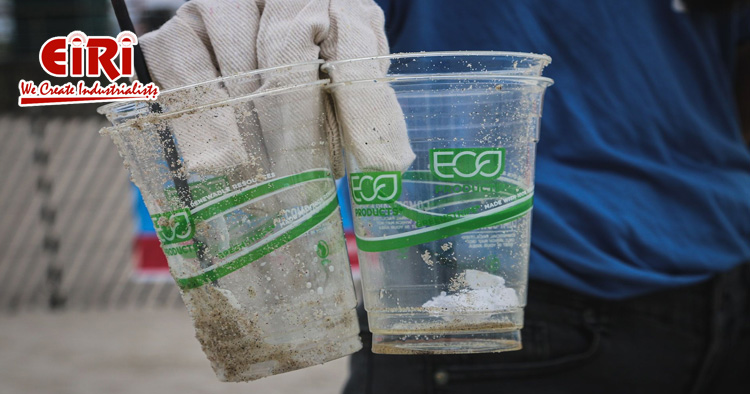
Plastic pollution is one of the most pressing environmental issues today. Traditional plastics are non-biodegradable, leading to persistent waste in landfills and oceans. This waste harms wildlife, ecosystems, and human health. Bioplastics, on the other hand, are designed to be biodegradable or compostable, significantly reducing their environmental footprint. By decomposing more rapidly and safely, bioplastics help mitigate the long-term impacts of plastic waste.
Renewable Resources
Bioplastics are made from renewable biological sources, such as corn starch, sugarcane, potato starch, and other plant-based materials. Unlike conventional plastics, which rely on finite fossil fuels, bioplastics harness the power of renewable resources. This not only conserves non-renewable resources but also supports agricultural industries and promotes sustainable farming practices.
Components of a Bioplastics Manufacturing Unit
Starting a bioplastics manufacturing unit involves several key components:
1. Raw Material Sourcing
The first step in bioplastics manufacturing is sourcing renewable raw materials. Common sources include:
- Corn Starch: Widely used due to its availability and cost-effectiveness.
- Sugarcane: Offers high yields and is particularly prevalent in tropical regions.
- Potato Starch: Suitable for specific applications, especially in Europe.
- Other Biomass: Includes agricultural residues, algae, and cellulose from wood.
Sourcing raw materials from sustainable agricultural practices ensures a steady supply while minimizing environmental impact.
2. Production Technology
The production of bioplastics involves several key technologies and processes:
- Fermentation: Converts sugars from biomass into biopolymers through microbial fermentation.
- Polymerization: Combines monomers to form long-chain polymers, creating bioplastics with desired properties.
- Extrusion and Molding: Shapes bioplastics into final products, such as films, bottles, and packaging materials.
Investing in advanced production technologies enhances efficiency, product quality, and scalability.
3. Quality Control
Maintaining high-quality standards is crucial for bioplastics manufacturing. Quality control measures include:
- Material Testing: Ensures raw materials meet specified standards and are free from contaminants.
- Process Monitoring: Regularly checks production parameters to maintain consistency and prevent defects.
- Product Testing: Evaluates the physical, mechanical, and biodegradable properties of finished products.
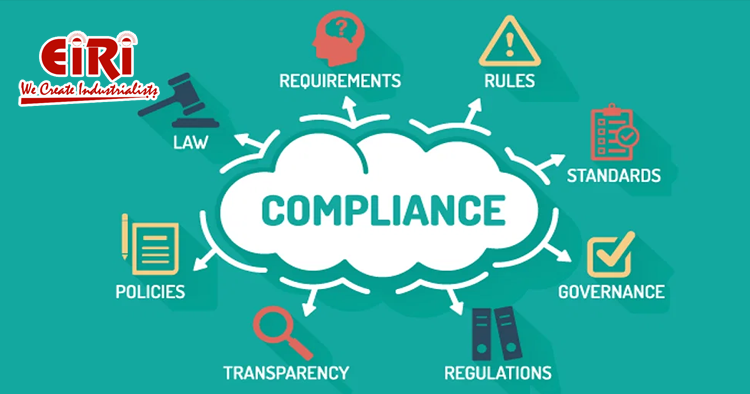
Implementing rigorous quality control protocols ensures compliance with industry standards and customer expectations.
4. Packaging and Distribution
Efficient packaging and distribution are essential for delivering bioplastics to market. Key considerations include:
- Eco-Friendly Packaging: Uses biodegradable or recyclable materials to align with sustainability goals.
- Logistics: Optimizes transportation and storage to minimize carbon footprint and costs.
- Supply Chain Management: Coordinates with suppliers, distributors, and retailers to ensure timely and efficient delivery.
Adopting sustainable packaging and logistics practices reinforces the eco-friendly image of bioplastics.
5. Research and Development
Continuous research and development (R&D) drive innovation and improvement in bioplastics manufacturing. Key R&D areas include:
- New Materials: Exploring alternative biomass sources and developing new biopolymer formulations.
- Process Optimization: Enhancing production efficiency, reducing costs, and minimizing environmental impact.
- Product Innovation: Creating new bioplastic products with improved performance, durability, and biodegradability.
Investing in R&D ensures the competitiveness and sustainability of the bioplastics manufacturing business.
Benefits of Bioplastics Manufacturing
The adoption of bioplastics offers numerous benefits for the environment, economy, and society:
1. Environmental Sustainability
Bioplastics contribute to environmental sustainability by:
- Reducing Plastic Pollution: Biodegradable and compostable properties minimize waste accumulation in landfills and oceans.
- Lowering Carbon Emissions: Production from renewable resources emits fewer greenhouse gases compared to conventional plastics.
- Conserving Resources: Utilizes renewable biomass, reducing reliance on finite fossil fuels.
Adopting bioplastics aligns with global efforts to combat climate change and protect ecosystems.
2. Economic Opportunities
The bioplastics industry offers significant economic opportunities:
- Market Growth: Increasing demand for sustainable products drives market expansion and revenue growth.
- Value Addition: Adds value to agricultural produce and by-products, enhancing the income of farmers and agribusinesses.
- Export Potential: Positions India as a leader in bioplastics, opening export markets and trade opportunities.
Economic benefits extend across the supply chain, from agriculture to manufacturing and retail.
3. Job Creation
The bioplastics industry creates employment opportunities in various sectors:
- Agriculture: Increases demand for biomass, supporting farmers and agricultural workers.
- Manufacturing: Generates jobs in production, quality control, and logistics.
- R&D: Employs scientists, engineers, and technicians in research and development activities.
Job creation contributes to economic development and improves livelihoods.
4. Health and Safety
Bioplastics offer health and safety advantages:
- Reduced Toxicity: Made from natural, non-toxic materials, bioplastics are safer for human health and the environment.
- Food Safety: Suitable for food packaging, bioplastics meet safety standards and reduce contamination risks.
Health and safety benefits enhance consumer confidence and product appeal.
5. Corporate Responsibility
Adopting bioplastics demonstrates corporate responsibility and commitment to sustainability:
- Brand Image: Enhances the reputation of companies as environmentally conscious and socially responsible.
- Consumer Preference: Meets growing consumer demand for eco-friendly products, increasing market share.
- Regulatory Compliance: Aligns with government policies and regulations promoting sustainable practices.
Corporate responsibility drives business success and societal impact.
Why Start a Bioplastics Manufacturing Business in India?
Growing Market Demand
The demand for bioplastics is on the rise globally and in India. As consumers become more environmentally conscious, they seek sustainable alternatives to conventional plastics. Bioplastics offer a viable solution, driving market growth and creating opportunities for manufacturers to capture a share of this expanding market.
Government Support
The Indian government is committed to reducing plastic waste and promoting sustainable practices. Policies and initiatives such as the Plastic Waste Management Rules, 2016, and the Swachh Bharat Abhiyan (Clean India Mission) encourage the adoption of bioplastics. Government support through incentives, subsidies, and regulatory frameworks provides a conducive environment for bioplastics manufacturing.
Technological Advancements
Advancements in bioplastics technology have made production more efficient and cost-effective. Innovations in fermentation, polymerization, and extrusion processes have improved the quality and performance of bioplastics. These technological advancements lower production costs and enhance the feasibility of bioplastics manufacturing.
Positive Environmental Impact
Starting a bioplastics manufacturing business contributes to environmental sustainability by reducing plastic pollution and conserving natural resources. Entrepreneurs in this sector play a vital role in addressing environmental challenges and promoting a cleaner, greener future.
Conclusion
Bioplastics manufacturing offers a sustainable and environmentally friendly alternative to traditional plastics. As concerns over plastic pollution grow and demand for eco-friendly products increases, the bioplastics industry presents significant growth potential. By starting a bioplastics manufacturing business in India, entrepreneurs can contribute to environmental sustainability, create economic opportunities, and support government initiatives to reduce plastic waste. With a focus on quality, innovation, and sustainability, the bioplastics industry has the potential to transform the way we produce and consume plastics, paving the way for a cleaner, greener future.