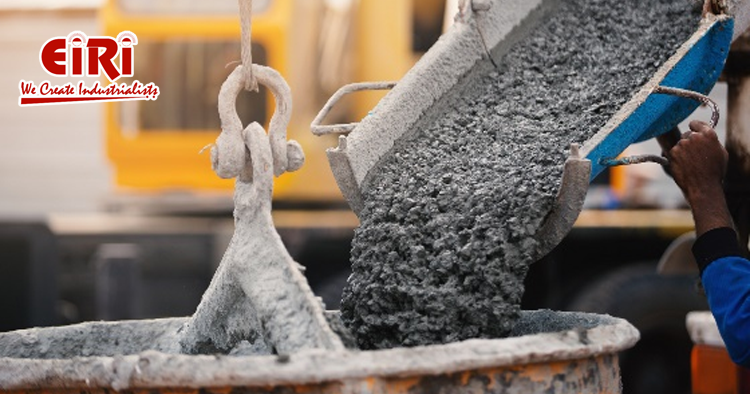
Concrete, a fundamental building material, serves as the backbone for numerous structures worldwide. Comprising a binding medium and aggregates, concrete's versatility and strength make it a construction staple. However, the addition of concrete admixtures, the unsung heroes of construction, plays a pivotal role in modifying and improving concrete properties.
Understanding Concrete Admixtures:
Admixtures, the fourth ingredient alongside cement, aggregates, and water, are substances added to concrete to alter its properties. According to IS: 456, pozzolana can be used as an admixture for concrete. The primary objective is to enhance workability and reduce water demand without compromising the desired characteristics of the mix.
These additives are typically stored in bulk containers, including plastic or metal tanks, with modern plastic tanks designed to minimize leakage risks. Admixture containers should never be left open to prevent contamination. Disposal of unused or expired admixtures must be done by qualified contractors.
Types of Admixtures in Concrete:
Admixtures serve various functions, categorized based on their impact on concrete properties:
- Water-Reducing Admixtures/Plasticizers: These reduce the amount of water needed for a specific workability, enhancing concrete's fluidity without compromising strength.
- Retarding Admixtures: Slows the setting time, especially useful in hot weather, allowing extended workability and preventing premature setting.
- Accelerating Admixtures: Speeds up the rate of early strength development, reducing curing time, and facilitating construction in adverse conditions.
- Air-Entraining Admixtures: Introduces small air bubbles for improved cohesion, freeze-thaw resistance, and resilience to de-icing salts.
Applications and Benefits of Concrete Admixtures:
- Improved Workability: Admixtures enhance workability without increasing water content, facilitating construction processes.
- Accelerated Initial Setting: Accelerating admixtures expedite the setting time, allowing for quicker formwork removal and early surface finishing.
- Segregation and Bleeding Reduction: Admixtures help reduce or prevent settlement, segregation, and bleeding, ensuring uniformity in the concrete mix.
- Durability Enhancement: Improvements in impact resistance, abrasion resistance, and corrosion resistance contribute to the overall durability of the concrete structure.
- Energy Efficiency and Green Building: Admixtures contribute to energy efficiency by minimizing water content and enabling the use of green-building materials, supporting sustainable construction practices.
- Color Enhancement: Some admixtures facilitate the production of colored concrete or mortar, adding aesthetic appeal to structures.
Chemical Admixtures in Concrete:
- Accelerating Admixtures: Examples: Calcium chloride, sodium chloride, sodium thiocyanate, fluorosilicates, calcium nitrate, nitrate.
- Retarding Admixtures: Examples: Sugar, carbohydrate derivatives, soluble zinc salts, soluble borates, calcium sulphate, starch, ferrous and ferric chloride, lignosulphonate acids.
Concrete Admixtures Market: Growth Amidst Global Dynamics
Concrete Admixtures Market Trends: Navigating Residential Construction Boom
Concrete Admixture Market Projection (2022-2032)
The concrete admixture market is poised for significant growth, anticipating a robust CAGR of 6.1%, reaching a valuation of US$ 15.1 billion by 2022.