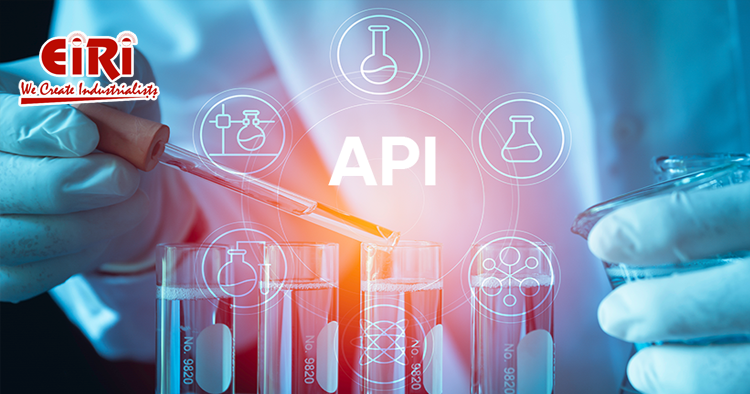
Active Pharmaceutical Ingredients (APIs) form the vital backbone of the pharmaceutical industry, acting as the core component responsible for the therapeutic effects of medications. Also known as bulk drugs or active substances, APIs are the biologically active constituents that are formulated into various dosage forms, such as tablets, capsules, injections, and more. These APIs serve as the essential building blocks for manufacturing drugs and medicines that treat various medical conditions and improve overall health.
In the pharmaceutical manufacturing process, APIs are combined with other inactive ingredients known as excipients to create the final pharmaceutical products consumed by patients. The quality, purity, and efficacy of APIs directly influence the safety and effectiveness of medicines, making them a crucial element in the healthcare ecosystem.
The Importance of API Manufacturing in the Pharmaceutical Industry:
Therapeutic Efficacy: The primary function of APIs is to provide the therapeutic effect of a drug. Each API is carefully selected and developed based on its ability to interact with specific biological targets within the body, resulting in the desired therapeutic outcome. The effectiveness of a medicine heavily depends on the quality and potency of its API.
Drug Innovation and Research: API manufacturing plays a pivotal role in drug discovery and research. Pharmaceutical companies invest significant resources in developing new APIs or improving existing ones to create novel treatments for various diseases. Advancements in API manufacturing techniques have accelerated drug development and allowed for innovative treatment options.
Ensuring Product Quality: API manufacturing requires strict adherence to quality standards and regulatory guidelines. The manufacturing process must be closely monitored to maintain the purity, stability, and consistency of APIs. Stringent quality control measures are implemented to ensure that the final pharmaceutical products meet the required safety and efficacy standards.
Cost-Effectiveness: In-house API manufacturing can provide pharmaceutical companies with cost advantages and control over the production process. By producing APIs internally, companies can optimize their supply chain and reduce reliance on external suppliers, leading to potential cost savings.
Supply Chain Security: An efficient and reliable API manufacturing process is critical for ensuring a steady supply of essential medications. By having control over API production, pharmaceutical companies can mitigate risks associated with supply chain disruptions and shortages.
Regulatory Compliance: The manufacturing of APIs is subject to strict regulations and standards set by various health authorities, such as the Food and Drug Administration (FDA) in the United States and the European Medicines Agency (EMA) in Europe. Compliance with these regulations is essential to gain regulatory approvals for pharmaceutical products.
Overview of the Global API Market
The global API (Active Pharmaceutical Ingredients) market is a critical component of the pharmaceutical industry, driving the development and production of life-saving medications and therapies. APIs are the biologically active substances in pharmaceutical drugs that provide the therapeutic effect. They serve as the core ingredient that directly interacts with specific biological targets to treat diseases and improve health conditions.
The demand for APIs has been steadily increasing over the years, driven by factors such as the rising prevalence of chronic diseases, an aging population, and the constant pursuit of innovative treatments. The global API market has witnessed significant growth and is projected to continue its upward trajectory in the coming years.
Market Size and Growth:
The global API market has experienced remarkable growth, with a market size valued at approximately USD 182.2 billion in 2020. The market is expected to expand at a CAGR of around 6.3% from 2021 to 2028, reaching an estimated value of USD 286.6 billion by the end of the forecast period.
Factors Driving the Growth:
Increasing Incidence of Chronic Diseases: The rising prevalence of chronic diseases, such as cardiovascular disorders, cancer, diabetes, and respiratory illnesses, has been a primary driver of the API market. APIs play a crucial role in developing medications to manage and treat these diseases effectively.
Technological Advancements in Drug Development: Advancements in drug discovery and development processes have contributed to the growth of the API market. Innovations in pharmaceutical research have led to the identification of new molecular targets, necessitating the production of novel APIs for drug formulation.
Growing Global Population and Aging Demographics: The world's growing population, coupled with an aging demographic, has intensified the demand for pharmaceutical products. The elderly population, in particular, requires a variety of medications for age-related health issues, further boosting the API market.
Rising Demand for Generic Drugs: The demand for cost-effective and accessible healthcare has fueled the growth of the generic drugs segment. APIs are the essential ingredients in generic drug formulations, driving the demand for these active substances.
Increasing Investments in Research and Development: Pharmaceutical companies and research institutions are investing heavily in R&D to develop new and innovative drugs. The continuous exploration of potential therapeutic targets has expanded the scope of the API market.
Regional Analysis:
Asia-Pacific has emerged as a dominant player in the global API market, accounting for a significant share of the total revenue. The region's growth can be attributed to factors such as the presence of a large number of API manufacturers, cost advantages, and a favorable regulatory environment. Countries like India and China are major players in API manufacturing, supplying APIs to both domestic and international markets.
North America and Europe also hold substantial shares in the global API market due to the presence of prominent pharmaceutical companies, a strong healthcare infrastructure, and a high demand for advanced therapies.
Statistical Data:
- The global API market was valued at USD 182.2 billion in 2020. (source: Grand View Research)
- The market is projected to grow at a CAGR of 6.3% from 2021 to 2028. (source: Grand View Research)
- Asia-Pacific accounted for the largest revenue share in the API market in 2020. (source: Grand View Research)
- India and China are significant players in API manufacturing, supplying APIs to various regions globally. (source: ResearchAndMarkets)
The global API market is experiencing robust growth, driven by the increasing demand for pharmaceutical products, advancements in drug development, and rising investments in research and development. As the pharmaceutical industry continues to evolve, the API market is expected to play a crucial role in shaping the future of healthcare and providing innovative treatments to patients worldwide.
Key Players and Industry Landscape in API Manufacturing
The Active Pharmaceutical Ingredient (API) manufacturing industry plays a pivotal role in the pharmaceutical sector by producing the essential biologically active components that form the core of various medications. As the global demand for pharmaceutical products continues to rise, the API market has witnessed significant growth, attracting numerous players in the industry. Let's explore the key players and the dynamic landscape of API manufacturing.
Key Players in API Manufacturing:
- Pfizer Inc.: Pfizer is a renowned name in the pharmaceutical industry, known for its wide range of innovative medications. The company has a significant presence in API manufacturing, producing a diverse portfolio of APIs for various therapeutic categories.
- Novartis International AG: Novartis is a global healthcare company that boasts a robust API manufacturing division. With a focus on research and development, Novartis produces high-quality APIs for its own pharmaceutical products and supplies them to other companies as well.
- Sanofi: Sanofi is a leading player in the API manufacturing market, producing APIs for its wide range of medications and supplying them to other pharmaceutical manufacturers. The company's strong commitment to quality and compliance has solidified its position in the industry.
- Aurobindo Pharma Limited: Aurobindo Pharma is an Indian multinational pharmaceutical company with a strong presence in API manufacturing. The company's state-of-the-art manufacturing facilities and dedication to research and development have made it a key player in the global API market.
- Teva Pharmaceutical Industries Ltd.: Teva is one of the largest generic drug manufacturers globally and has a significant API manufacturing segment. The company's extensive product portfolio and global reach have contributed to its success in the industry.
- Boehringer Ingelheim GmbH: Boehringer Ingelheim is a global pharmaceutical company with a notable API manufacturing division. The company's commitment to innovation and sustainable practices has helped it establish a strong presence in the API market.
Industry Landscape:
The API manufacturing industry is highly competitive and constantly evolving. Several factors contribute to shaping the industry landscape:
- Technological Advancements: Advances in technology have revolutionized the way APIs are manufactured. The industry is witnessing the adoption of advanced processes, such as continuous manufacturing and process optimization, to enhance efficiency and reduce costs.
- Regulatory Compliance: Stringent regulations and quality standards govern the API manufacturing industry. Players must comply with guidelines issued by regulatory authorities like the U.S. Food and Drug Administration (FDA) and the European Medicines Agency (EMA).
- Shift Towards Outsourcing: Many pharmaceutical companies prefer to outsource API manufacturing to specialized firms to focus on their core competencies. This trend has led to the emergence of contract manufacturing organizations (CMOs) specializing in API production.
- Research and Development: The industry invests heavily in research and development to discover new APIs and improve existing manufacturing processes. Innovation is crucial for staying competitive and meeting the evolving demands of the pharmaceutical market.
- Sustainable Practices: API manufacturers are increasingly adopting sustainable and environmentally friendly practices. The integration of green chemistry principles and eco-friendly processes is gaining traction in the industry.
- Global Supply Chains: The API market is globally interconnected, with manufacturers exporting and importing APIs to meet the demands of various regions. The COVID-19 pandemic highlighted the importance of resilient supply chains and increased localization efforts in some regions.
Opportunities and Challenges in the API Manufacturing Business
The Active Pharmaceutical Ingredient (API) manufacturing business presents a plethora of opportunities and challenges for companies operating in this dynamic sector. As the demand for high-quality medications continues to rise globally, API manufacturers play a critical role in providing the essential ingredients for pharmaceutical formulations. Let's delve into the opportunities and challenges that API manufacturers encounter in this competitive industry.
Opportunities:
- Growing Global Demand: The global pharmaceutical market is expanding rapidly, driven by factors like an aging population, increased prevalence of chronic diseases, and advancements in healthcare. This surge in demand for medications creates ample opportunities for API manufacturers to cater to a vast and diverse market.
- Increased Focus on Generic Drugs: The increasing demand for cost-effective medications has led to a significant rise in generic drug consumption. As generics require APIs, API manufacturers have an excellent opportunity to supply the essential components for these more affordable alternatives to branded drugs.
- Research and Development Collaborations: Many pharmaceutical companies partner with API manufacturers to co-develop novel APIs and formulations. These collaborations open doors for API manufacturers to participate in cutting-edge research and development projects, which can lead to lucrative licensing agreements and royalties.
- Custom Synthesis Services: Some API manufacturers specialize in offering custom synthesis services, providing tailor-made APIs to pharmaceutical companies. This niche market allows manufacturers to cater to specific needs and demands, ensuring a loyal customer base.
- Expanding Contract Manufacturing: Many pharmaceutical companies opt for contract manufacturing services for APIs to focus on their core competencies and reduce production costs. As a result, contract API manufacturing has witnessed significant growth, providing new business opportunities for API manufacturers.
Challenges:
- Stringent Regulatory Compliance: The API manufacturing industry is subject to strict regulations imposed by health authorities worldwide. Adherence to quality standards, safety protocols, and environmental regulations can be complex and costly, posing a challenge for smaller manufacturers.
- Competition and Pricing Pressure: The API market is highly competitive, with numerous players vying for market share. Intense competition can lead to price pressure and lower profit margins, making it essential for API manufacturers to focus on efficiency and cost-effectiveness.
- Intellectual Property Protection: Developing and producing new APIs requires substantial investment in research and development. Protecting intellectual property and preventing unauthorized replication can be challenging, especially in certain regions with weaker IP enforcement.
- Supply Chain Disruptions: API manufacturers often rely on complex global supply chains for raw materials and intermediates. Any disruptions in the supply chain, such as geopolitical tensions or natural disasters, can impact production and delivery timelines.
- Technological Advancements: API manufacturing is a technology-driven sector, and staying up-to-date with the latest advancements is crucial for maintaining competitiveness. Investments in modern manufacturing techniques and process improvements can be capital-intensive.
- Environmental Concerns: Some traditional API manufacturing processes generate hazardous waste and have a significant environmental footprint. API manufacturers face increasing pressure to adopt greener and more sustainable manufacturing practices.
In conclusion, Active Pharmaceutical Ingredients (APIs) are the backbone of the pharmaceutical industry, serving as the fundamental building blocks of therapeutic medications. API manufacturing plays a vital role in drug development, ensuring the efficacy, quality, and safety of pharmaceutical products. By understanding the significance of APIs and their manufacturing process, pharmaceutical companies can continue to innovate and provide life-changing treatments to patients worldwide.