In today's fast-paced world, where paper remains an indispensable tool for communication, documentation, and creative expression, the manufacturing of A4 and A3 size papers holds significant relevance. This article delves into the intricate workings of the A4 and A3 size paper manufacturing industry, exploring its current market landscape, operational dynamics, growth trends, key drivers, and promising future prospects.
The A4 and A3 size paper manufacturing sector operates within the broader paper industry, which encompasses various paper types, including printing and writing papers, packaging papers, and specialty papers. A4 and A3 size papers, standardized by the International Organization for Standardization (ISO), are widely utilized for printing documents, reports, presentations, and artistic creations across diverse sectors, including offices, educational institutions, publishing houses, and commercial printing facilities.
Current Market Overview:
The global cut size uncoated A4 size paper market is projected to witness significant growth from 2023 to 2032, building upon its previous milestones. Valued at $16,122.3 million in 2022, the market is forecasted to reach $18,483.6 million by 2029, reflecting a compound annual growth rate (CAGR) of 2.4%. This growth trajectory is fueled by the expansion of the paper industry in emerging economies and the inherent advantages of using uncoated sheet paper.
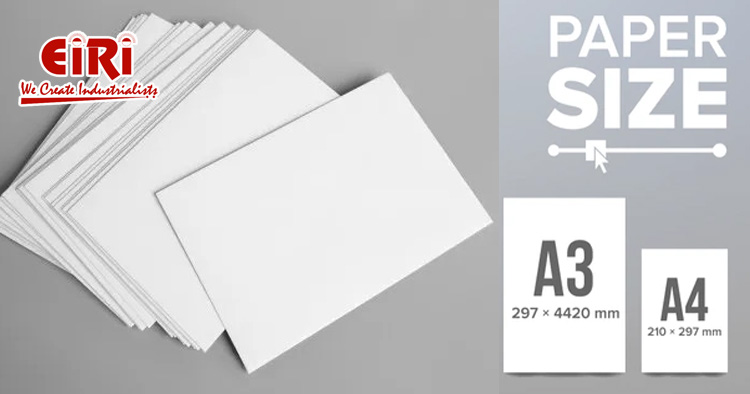
Cut size uncoated freesheet paper, comprising approximately 90.0% chemical pulp and 10.0% mechanical pulp, is available in various sizes, including the widely used A4 format (210 mm x 297 mm), A3 (297 mm x 420 mm), and legal-sized paper (215 mm x 345 mm). Among these categories, A4-sized paper dominated the market in 2017, accounting for over 80.0% of the market share. Its popularity stems from its cost-effectiveness and compatibility with a diverse range of printers, including inkjet and laser printers.
The A4-sized paper segment is poised to maintain its dominance in the global market in the foreseeable future. Factors such as the proliferation of offices and educational institutions, coupled with the sustained growth of the paper industry, contribute to its continued market leadership.
In India, the paper industry is experiencing promising growth, driven by increasing domestic demand fueled by factors such as population growth, rising literacy rates, GDP expansion, and improvements in the manufacturing sector and individual lifestyles. The paper industry plays a pivotal role in the country's economic development, contributing to revenue generation, foreign exchange earnings, and employment opportunities. With a growing emphasis on education and alternative uses of paper, the domestic demand for paper is expected to outpace supply, further bolstering the industry's growth.
Moreover, developments in the upstream market, including tissue paper, tea bags, filter paper, and lightweight online coated paper, are poised to propel the industry forward. Infrastructure improvements, such as key port enhancements, road and railway upgrades, and communication facility developments, are expected to benefit the entire industrial sector, including the pulp and paper segment.
In the global copier paper market, A4 size paper holds the highest market share, driven by its extensive utilization in consumer printing and commercial sectors. The copier paper market is categorized based on paper size, thickness, end use, and material type. The 50-80 GSM copier paper segment leads the market, offering optimal brightness and print quality.
The low per capita use of copier paper in emerging economies, coupled with its widespread application in the education sector and government offices, is expected to drive market growth. The rise in literacy rates in African nations is anticipated to further boost demand for copier paper in the coming years, underlining the promising growth prospects for the market.
A4 Paper: Unveiling Its Versatility and Importance
A4 paper, with its standardized dimensions of 210 × 297 millimeters or 8.27 × 11.69 inches, holds a ubiquitous presence in the realm of paper products. From offices to schools, hospitals to homes, its applications span a wide spectrum, making it the go-to choice for various printing and documentation needs. Let's delve deeper into the significance and versatility of A4 paper in contemporary society.
A Universal Standard:
A4 paper stands as the global standard for document printing and distribution, adopted across industrialized nations as the preferred paper size. Its compatibility with printers, copiers, and standard filing systems makes it indispensable for a myriad of purposes. Whether it's printing letters, magazines, catalogs, or forms, A4 paper remains the cornerstone of modern documentation.
Driving Forces of Demand:
The advent of the internet age and the proliferation of digital printing have propelled the demand for A4 size paper to unprecedented heights. In countries like India, the segment has witnessed staggering growth rates of 18-20% annually, reflecting the evolving needs of businesses, educational institutions, and individuals. Moreover, the rise of the economy value-for-money segment has further accelerated this growth trajectory, surpassing 25% in certain markets.
Versatile Applications:
The versatility of A4 paper extends beyond conventional printing and documentation. It serves as a canvas for creativity, enabling the creation of small posters, flyers, and promotional materials. In educational settings, A4 paper finds its place as the medium for assignments, worksheets, and study materials. Similarly, in healthcare facilities, it facilitates record-keeping, prescription printing, and patient communication.
Essential in Various Sectors:
Across diverse sectors, A4 paper plays an indispensable role:
- Offices: A staple in office environments, A4 paper fuels day-to-day operations, from printing reports and memos to drafting presentations and proposals.
- Schools and Colleges: A4 paper forms the backbone of educational resources, including textbooks, handouts, and exam papers, facilitating the exchange of knowledge and information.
- Healthcare: In hospitals and clinics, A4 paper is utilized for patient records, medical reports, and diagnostic test results, ensuring seamless communication and documentation.
The A4 paper stands as a testament to the enduring relevance of traditional documentation in the digital age. Its ubiquity, versatility, and compatibility make it an indispensable asset across various sectors and applications. As society continues to evolve, the importance of A4 paper in facilitating communication, education, and information exchange remains unwavering, ensuring its continued prominence in the modern world.
How the Industry Works:
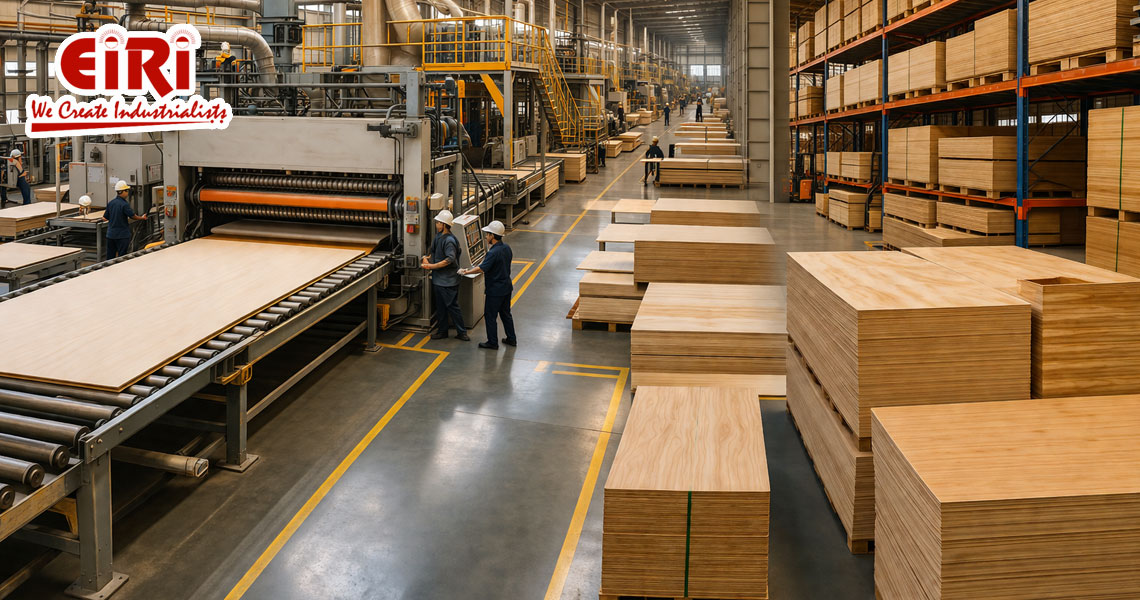
The A4 and A3 size paper manufacturing industry operates through a series of interconnected processes, from sourcing raw materials to the production of finished paper products. Key stages in the manufacturing process include:
- Raw Material Sourcing: The primary raw materials for paper production include wood pulp, recycled paper fibers, and chemicals such as bleaching agents and sizing agents. Manufacturers source these materials from certified suppliers to ensure quality and sustainability.
- Pulping: The raw materials undergo pulping, where they are broken down into fibers through mechanical or chemical processes. This pulp is then refined and cleaned to remove impurities and achieve the desired quality.
- Papermaking: The refined pulp is mixed with water to form a slurry, which is then spread onto a wire mesh conveyor belt. As the water drains away, the fibers bond together to form a continuous sheet of paper. This sheet is then dried, pressed, and further processed to enhance its properties.
- Cutting and Packaging: Once the paper is dried and finished, it is cut into standard sizes, including A4 and A3, using precision cutting machines. The cut sheets are then packaged into reams or cartons for distribution and sale.
Growth Trends and Drivers:
The A4 and A3 size paper manufacturing industry are influenced by several growth trends and drivers:
- Digitization and Paperless Initiatives: While digital technologies have transformed many aspects of communication and documentation, the demand for printed materials remains robust in certain sectors. However, the industry is increasingly adopting sustainable practices and exploring alternatives to traditional paper products to align with paperless initiatives.
- E-commerce and Packaging Demand: The growth of e-commerce and online retail has fueled demand for packaging materials, including corrugated boxes, cartons, and wrapping papers. A4 and A3 size papers are utilized for packaging products, labeling, and documentation, contributing to industry growth.
- Educational and Office Supplies: Educational institutions, offices, and commercial establishments continue to rely on A4 and A3 size papers for printing documents, assignments, presentations, and promotional materials. The steady demand from these sectors sustains the growth of the paper manufacturing industry.
- Environmental Sustainability: With increasing awareness of environmental issues, consumers and businesses are prioritizing sustainable products and practices. Manufacturers are investing in eco-friendly production processes, utilizing recycled fibers, and obtaining certifications to appeal to environmentally conscious consumers.
Future Growth Prospects of A4 and A3 size paper manufacturing:
Looking ahead, the A4 and A3 size paper manufacturing industry is poised for promising growth and evolution. Key factors driving future prospects include:
- Innovations in Papermaking Technology: Advancements in papermaking technology, including improved pulping techniques, energy-efficient processes, and waste reduction measures, will enhance efficiency, reduce production costs, and minimize environmental impact.
- Diversification of Product Portfolio: Manufacturers will continue to diversify their product offerings to meet evolving market demands. This may include the development of specialty papers, customized printing solutions, and value-added services to cater to niche markets and emerging applications.
- Market Expansion and Globalization: With increasing globalization and trade liberalization, manufacturers have opportunities to expand their market reach beyond domestic borders. Strategic partnerships, distribution networks, and market intelligence will be crucial for tapping into new markets and maximizing growth potential.
- Sustainability and Corporate Responsibility: Environmental sustainability will remain a core focus for the industry, driving investments in renewable energy, carbon-neutral practices, and circular economy initiatives. Companies that demonstrate a strong commitment to sustainability and corporate responsibility will gain a competitive edge in the market.
The A4 and A3 size paper manufacturing industry continues to play a vital role in facilitating communication, education, and commerce worldwide. While facing challenges posed by digitalization and environmental concerns, the industry remains resilient and adaptive, poised for sustained growth through innovation, diversification, and a commitment to sustainability. As businesses and consumers alike recognize the enduring value of paper-based products, the future of the A4 and A3 size paper manufacturing industry appears bright, promising, and filled with opportunities for progress and prosperity.